How springing forward to daylight saving time could affect your health
ABC News
Losing an hour of sleep as daylight saving time kicks in can do more than leave you tired and cranky the next day — it also could harm your health
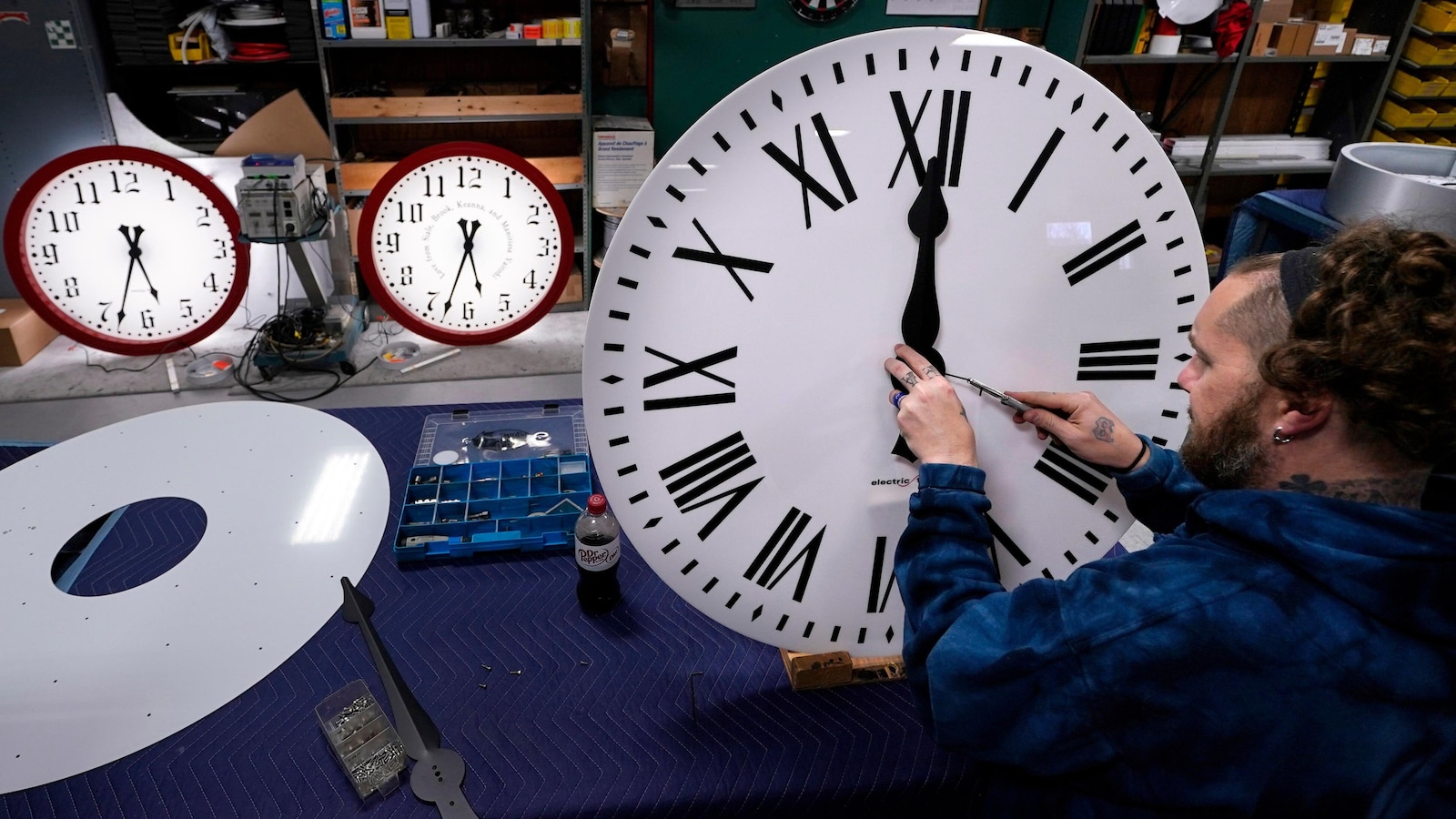
WASHINGTON -- Most of America “springs forward” Sunday for daylight saving time. Losing that hour of sleep can do more than leave you tired and cranky the next day; it also could harm your health.
Darker mornings and more evening light knock your body clock out of whack — which means daylight saving time can usher in sleep trouble for weeks or longer. Studies have even found an uptick in heart attacks and strokes right after the March time change.
There are ways to ease the adjustment, including getting more sunshine to help reset your circadian rhythm for healthful sleep.
Daylight saving time begins Sunday at 2 a.m., an hour of sleep vanishing in most of the U.S. The ritual will reverse on Nov. 1 when clocks “fall back” as daylight saving time ends.
Hawaii and most of Arizona don’t make the spring switch, sticking to standard time year-round — along with Puerto Rico, American Samoa, Guam and the U.S. Virgin Islands. Worldwide, dozens of countries also observe daylight saving time, starting and ending at different dates.


After about a month of hearing from addiction experts, therapists, platform engineers and executives, including Mark Zuckerberg, a jury will listen to closing arguments before heading to the deliberation room to decide whether social media companies sh...

Rural school districts say the Trump administration’s visa changes are jeopardizing a key source of teachers

Cuba is grappling with a fast-growing wave of synthetic drug use that is hitting young people hard

An old NASA science satellite is no more

Stryker, a U.S. medical equipment company, says a cyberattack has disrupted its global networks

Virginia senators are pushing to curtail a 5.3% tax break for data centers

The Iran war is testing America's ability to combat swarms of cheap drones that have become a staple of the modern battlefield after Ukraine and Russia demonstrated how effective they can be

Hawaii's Kilauea volcano is shooting lava fountains up to 1,000 feet, and falling ash and volcanic fragments are forcing temporary closures on the Big Island

Meta is acquiring Moltbook, a social network where AI agents post and chat with each other

The FDA is approving a generic drug for a very rare genetic disorder, but not for autism

A new study in the journal Nature Cities shows that as temperatures rise aboveground, the number of subway riders reporting uncomfortable heat belowground increases

Tomoko Kobayashi reopened her inn in northeastern Fukushima to bring a sense of normal life back to her deserted hometown five years after the nuclear disaster

French President Emmanuel Macron is traveling to Cyprus