How NIH ending funding for human fetal tissue research could affect studies
ABC News
Scientists worry the NIH banning funding for human fetal tissue research could prevent the development of life-saving therapies.
Last week, the Trump administration announced it was banning the use of human fetal tissue from some abortions in federally funded medical research.
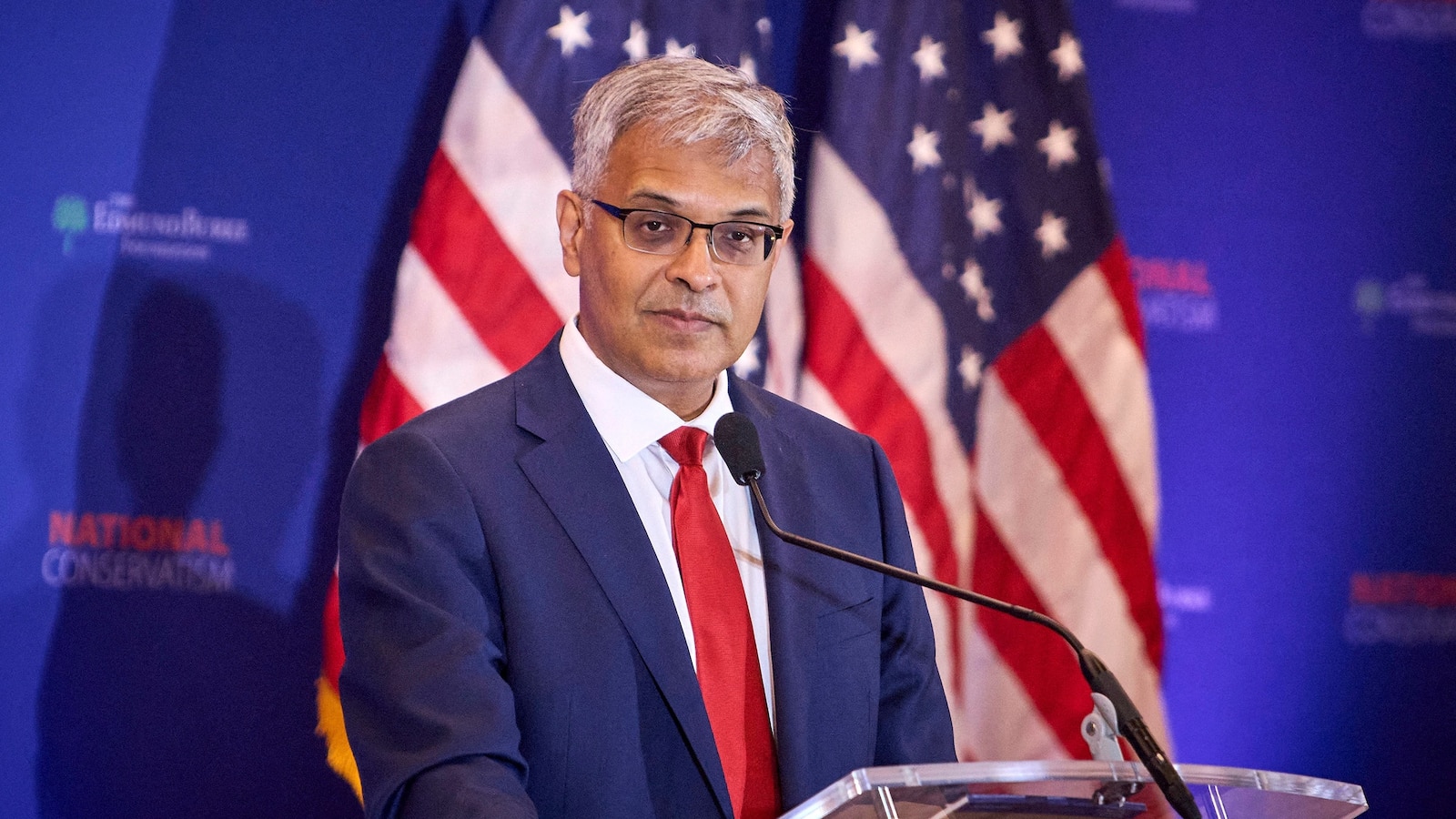
The National Institutes of Health (NIH) said the policy would go into effect immediately and advance "science by investing in breakthrough technologies more capable of modeling human health and disease," NIH director Dr. Jay Bhattacharya said in a statement.
Scientists told ABC News that research using human fetal tissue has contributed to understanding diseases better, such as HIV and Ebola, and helped in the development of some vaccines and drugs.
Some scientists worry the ban could prevent groundbreaking discoveries about the behaviors of certain diseases and stop the development of life-saving therapies.
"It's not a scientific decision," Dr. Lawrence Goldstein, a professor emeritus of cellular and molecular medicine at the University of California, San Diego, told ABC News. "It's a moral decision that places the rights of fetal tissue that would be discarded above the rights of sick people who will benefit from that research."


Rural school districts say the Trump administration’s visa changes are jeopardizing a key source of teachers

Cuba is grappling with a fast-growing wave of synthetic drug use that is hitting young people hard

An old NASA science satellite is no more

Stryker, a U.S. medical equipment company, says a cyberattack has disrupted its global networks

Virginia senators are pushing to curtail a 5.3% tax break for data centers

The Iran war is testing America's ability to combat swarms of cheap drones that have become a staple of the modern battlefield after Ukraine and Russia demonstrated how effective they can be

Hawaii's Kilauea volcano is shooting lava fountains up to 1,000 feet, and falling ash and volcanic fragments are forcing temporary closures on the Big Island

Meta is acquiring Moltbook, a social network where AI agents post and chat with each other

The FDA is approving a generic drug for a very rare genetic disorder, but not for autism

A new study in the journal Nature Cities shows that as temperatures rise aboveground, the number of subway riders reporting uncomfortable heat belowground increases

Tomoko Kobayashi reopened her inn in northeastern Fukushima to bring a sense of normal life back to her deserted hometown five years after the nuclear disaster

French President Emmanuel Macron is traveling to Cyprus

Bigger and bigger data centers are leading to proposals for massive electric power transmission lines, sometimes across hundreds of miles