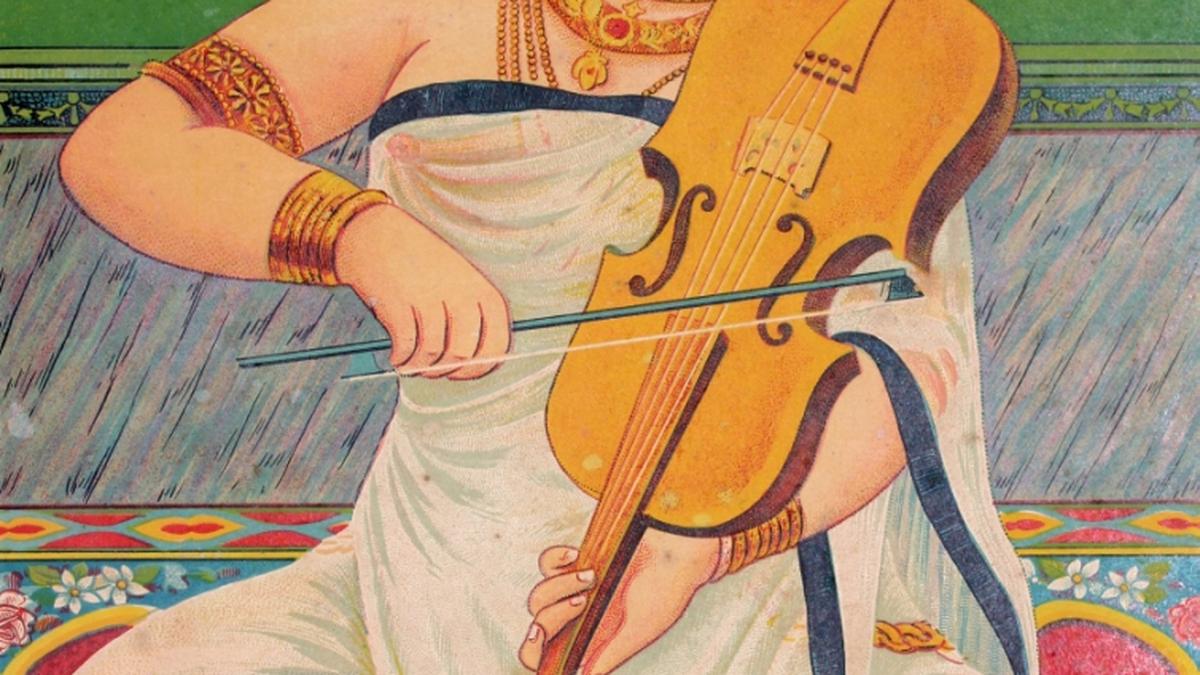
How Chitpur lithographs democratised art
The Hindu
A peek at our artistic past
A recent exhibition in the capital provides an unparalleled glimpse into a pivotal chapter of India’s visual history, where traditional religious art intersects with the modernity of print technology.
Management of Art Treasures of India (MATI)’s latest exhibition, ‘Chitpur Chronicles: A Journey through Sacred Imagery,’ showcases the oldest and rarest Chitpur lithographs. Chitpur Lithographs were a ground-breaking innovation that transformed the production and dissemination of images during the 19th and early 20th centuries. These 100-year-old rare prints, which represent a significant moment in India’s artistic evolution, primarily depict Hindu deities and mythological narratives, reflecting the rich cultural heritage of the Chitpur area of Kolkata. Unlike traditional hand-drawn or painted art, lithography allowed for the mass production of detailed and high-quality prints. This technique involved drawing images on limestone or metal plates using oil-based ink, which could then be transferred onto paper, creating multiple copies with relative ease and accuracy.
“Lithography enabled the dissemination of visual culture across different regions, creating a shared aesthetic and devotional experience. It played a key role in popularising religious imagery, ensuring that temples, households and public spaces could all house affordable, yet artistically valuable representations of divine and historical figures. This democratisation of art through lithography had a profound impact on cultural identity, religious practice and visual expression in India,” said Siddhartha Tagore, MATI’s founder.
The exhibition invites visitors to witness the divine presence of prominent Hindu deities, such as Beenapani (Saraswati) as well as Jagaddhatri Mata and Kalighater Sri Sri Kali Mata(Kali). The graceful Radha is portrayed in a piece titled Radha Gostho. Additionally, works such as Ganeshwari Mata and Shiva Parivar(depicting Shiva’s family) present familial and cosmic harmony. Further, the formidable Sri Sri Dashabhuja stands as a symbol of power and protection.
Mythological stories extend beyond the gods, with a powerful piece titled Papir Shasthi(Punishment to Sinner), a vivid portrayal of punishment in the afterlife. The exhibition also brings to life two rare scenes from India’s epic traditions: the poignant narrative of Abhimanyu-Uttara from the Mahabharata and Shri Shri Ram Raja (Ram Darbar) from the Ramayana, offering glimpses of both valour and divine rulership.
“Known for their distinctive artistic and cultural qualities, one of the defining features of Chitpur lithographs is the vivid use of colour, with vibrant, saturated hues that bring depictions of deities, mythological scenes and historical narratives to life, making the prints visually striking. The affordability and efficiency of lithographic printing revolutionised the way images, particularly religious and mythological ones, were shared with the public. These works, which were once accessible only to the wealthy, could now be produced in large numbers, reaching a broader audience, including the middle class,” said Gaurav Kumar, Curator, MATI.
One of Kolkata’s oldest neighbourhoods, Chitpur became the epicentre of the printing revolution in the 19th century, largely due to its strategic location, rich cultural heritage and flourishing artist community. Originally known for its traditional craftsmanship, theatrical performances and vibrant markets, it was an ideal breeding ground for artistic innovation and cultural exchange. As lithographic printing gained popularity in Bengal, Chitpur soon became the focal point for several renowned printing houses and studios.


The actor, along with director Sushant Shah, speak about their upcoming series ‘Chiraiya’, Divya’s process of working on the dialect, Sushant’s approach to telling a story about women, and more

An independent video, ‘Feel the Spark’ by Raleigh Rajan with vocals by Ciera Dumas that celebrates Tamil literary giants, garnered 1.4 million views in less than 36 hours.

In ‘Jack Ryan: Ghost War’, John Krasinski is back as the savvy CIA analyst, diving headfirst into a high-stakes mission that unravels a deadly conspiracy and pits him against a rogue black-ops unit

Shriram Bharatiya Kala Kendra’s Shankarlal festival showcased rare ragas, radiant artistry, and inclusive performances, from Pt Madhup Mudgal’s serene morning ragas to Ramana Balachandran’s Saraswati veena.

Explore "Threads that Bind: The Kantha Project," an exhibition in Delhi reimagining kantha as a medium of repair and renewal.

Sean Penn skips the Oscars to meet Ukraine's Zelenskyy, who praises him as a "true friend" amid the war.

The teaser of Tamil star Suriya’s much-awaited film with director Venky Atluri, titled Vishwanath and Sons, was unveiled by the makers on Monday

A 'Golden' moment for a K-pop track at the Oscars.

Parvathi Nayar’s new exhibition, The Primordial, in Mumbai, traces oceans, pepper and climate change
Opened on March 12, the exhibition marks the artist’s first solo show in Mumbai in nearly two decades. Known for her intricate graphite drawings and multidisciplinary practice spanning installation, photography, video, and climate change, her artistic journey has long engaged with the themes of ecology, climate change and the natural world. In this ongoing exhibition, these strands converge through a series of works centred on water, salt, and pepper — materials that carry natural and historic weight across centuries.

Explore the highlights and key winners of the 98th Academy Awards, featuring memorable moments and historic achievements from Oscars 2026.

Spring season celebrated at Ramakrishna Mission Institute, Kolkata, with ‘Evening of Basant’

The Spirit of the Land, a solo show by artist Shivakumar Sunagar, is a vista of Nature-inspired emotions

Tal Fry is all set for an exciting new performance season