How Canadian grocery stores decide what gets donated or dumped
Global News
For grocers, selling perishable items means making continual choices about every item on display — especially the ones nearing the end of their shelf life.
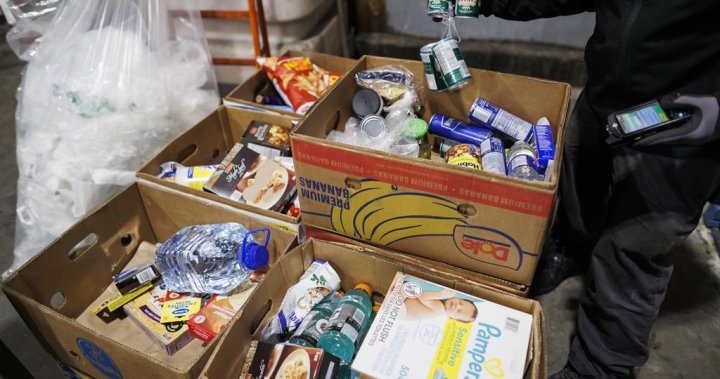
On a cool-but-sunny February day in Toronto’s west end, a temperature-controlled truck pulls up at the rear of a Metro grocery store, where pallets of food about to reach their sell-by date sit waiting. It’s time for the Daily Bread food bank’s weekly pickup.
Each package of meat, loaf of bread and deli item has been carefully inspected before ending up on the loading dock.
For grocers, selling perishable items means making continual choices about every item on display — especially the ones nearing the end of their shelf life. For those that don’t sell in time, most stores try to donate them to food banks rather than throw them away.
“It’s daily calls (on the floor),” said John Crisafulli, manager of the Metro location, during a walk-through with a Canadian Press reporter. All departments begin their day by scanning for items nearing expiration and picking them out, along with those with blemishes or flaws that make them undesirable.
Metro’s guidelines are straightforward. Two days ahead of their best-before dates, packaged items are discounted at 30 per cent. If still unsold the night before, an employee pulls the items off the shelf and freezes them in the backroom storage for donations to local food banks.
Some of those products are also sold on food-rescue apps such as Too Good To Go, said Dave Dinning, senior director of operations at Metro in Ontario.
But the shelf life of fresh produce is harder to determine and left to the employees’ discretion.
Take the apples, for example. Crisafulli examined the honeycrisps, galas and Granny Smiths, rearranging the display and picking out misfits with blemishes, bruises or holes. He then placed less appealing picks in a bag, marked it at $2 and re-shelved it in the discount section. Later, fresher apples replenished the selection. Finally, unsold quantities become fodder for animals.


Aid shipments are beginning to arrive in Cuba and a Russian oil delivery is expected this month, but fuel shortages remain critical.

Tensions flared as CAQ leadership rivals clashed over Quebec’s “third link” project in the first debate to replace Premier François Legault.

Toronto police have charged a 60-year-old man with second-degree murder in connection with the death of Xian Wei Shao, whose remains were discovered in a north end home last week.

Finance Minister François-Philippe Champagne says the government has found ways to cut spending by $60 billion but cautions that published spending cuts require important context.

Three Canadians from Quebec who were stranded in the Persian Gulf since Feb. 28 have returned home following a coordinated repatriation effort.

Federal departments announced that they plan to cut more than 12,000 jobs over three years as part of the Carney government’s spending review plan.

Canada’s Integrated Threat Assessment Centre says the U.S.-Israeli war against Iran has heightened an already present threat against Jewish Canadians and public officials.

Edward Warner, his wife Tania and his seven-year-old step-daughter Ayla were coming back from a friend's baby shower on Saturday when they went through an ICE checkpoint in Sarita.

A fire chief from a village that battled flames during Saskatchewan's destructive wildfire season last year says the province's latest budget does not provide enough funding.

Manitoba’s upcoming budget will include more child care funding and a smaller deficit, as the NDP government aims to balance finances by 2027.

A member of the Royal Canadian Air Force in Winnipeg has just been crowned the World's Strongest Firefighter, outlifting athletes from around the world.

Muslims across Canada are celebrating Eid al-Fitr while some reflect on conflict affecting loved ones abroad, as leaders highlight unity, charity and renewal.

The Iran war has raised the price of crude oil beyond US$110 per barrel in international markets, spurring affordability concerns in Canada and around the world.