How America’s once great department stores became a dying breed
CNN
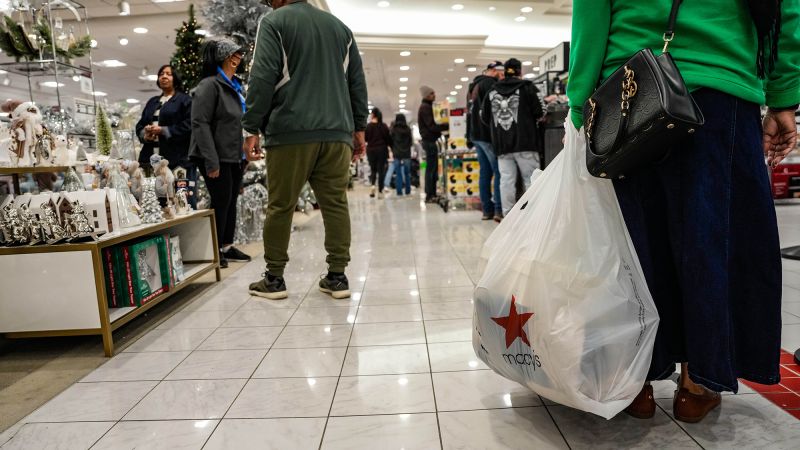
Macy’s announcement Tuesday that it will close 150 stores, or nearly a third of its total, is the result of a once-great department store industry in decades of decline.
Macy’s announcement Tuesday that it will close 150 stores, or nearly a third of its total, is the result of a once-great department store industry in decades of decline. The gradual demise of the American department store can be blamed on many factors: competition from big box retailers, a shift to online shopping and activist shareholders fighting for control of the company’s board. Another key problem: The retail industry has been split in two as inflation has taken its toll. That means brand like Walmart that are focused on inexpensive items are succeeding, as are luxury brand for people who still have means to afford finer items. But department stores, focused on America’s middle class, are fading. But to retail analyst Neil Sauders of GlobalData, the key problem for Macy’s and many other troubled department store chains is more fundamental: Company management did little to update their offerings to compete with new rivals over the years. “Quite frankly, a lot of them stopped caring. They stopped listening to customers,” he said. “Sure online has taken its share, sure big box has taken its share. But most of all, it’s a failure to evolve.” Department stores were once the giants of American retail. Macy’s, Sears, and JC Penney offered a selection of products and convenience for shoppers that reshaped how and where Americans bought everything they needed for their homes, from clothing to appliances to toys to electronics.


Oil prices held steady Wednesday after Iraq clinched a deal to resume some crude exports via Turkey. It’s not a ton of oil, but it’s what amounts for good news these days as the Strait of Hormuz remains largely blocked.

The US-Israeli war with Iran, now stretching into its third week, is dashing hopes that the Federal Reserve will lower interest rates at all this year.

A federal judge says the Trump administration must let more than 1,000 sidelined Voice of America employees return to work by next week.

Former judges side with Anthropic and raise concerns about Pentagon’s use of supply chain risk label
Nearly 150 retired federal and state judges have filed an amicus brief on Tuesday supporting AI company Anthropic in its lawsuit against the Trump administration for designating it a “supply chain risk,” CNN has learned.

Attacks on commercial ships in the Middle East this month have all but closed the vital Strait of Hormuz to oil tankers. One of the few alternative routes for oil exports from the region goes through the Red Sea. But now even that lifeline is in danger.

When Mona Panjwani opened One40 Rooftop, a swanky restaurant in lower Manhattan last year, one of the biggest dilemmas besides the menu was choosing the reservation platform.

What could get more expensive because of the war in Iran?

Gas prices have skyrocketed due to the US-Israel war on Iran, putting even more financial strain on many Americans’ wallets.

United Food and Commercial Union Local 7, the union representing the 3,800 striking workers, said that JBS failed to meet its demands during contract negotiations over higher wages, life-saving safety equipment and improved healthcare.

Every day brings a new complaint — or three — from the Trump administration about the American news media’s coverage of the Iran war.

Traffic through the strait, normally the conduit for a fifth of global oil output, has been severely curtailed since the start of the Iran conflict. But Iran itself is shipping oil through the waterway in almost the same volumes as before the war, earning the cash needed to sustain its economy and war effort.

How Anthropic may benefit from its fight with Trump

The price of oil rose to its highest level since July 2022 Sunday evening as the Trump administration suggested the war with Iran could last several more weeks and President Donald Trump called on the international community for help reopening the Strait of Hormuz to oil tankers.