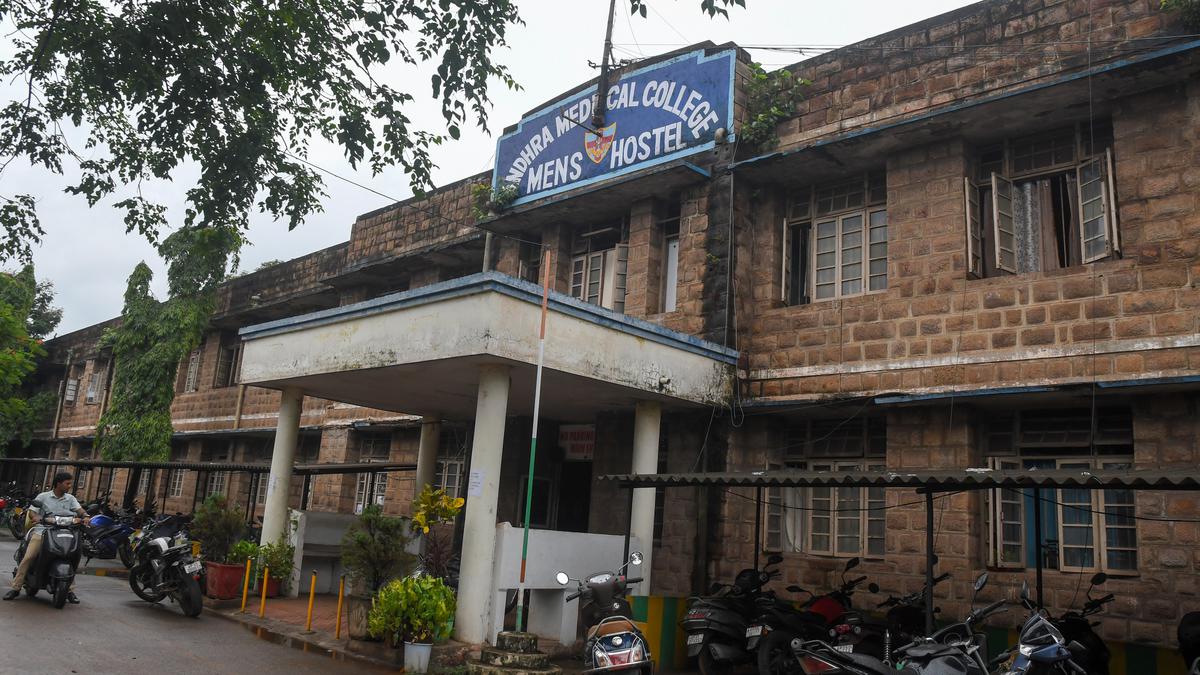
Hostel accommodation to attract 12% GST: AAR
The Hindu
Students will have to shell out more for hostel accommodation as a 12% GST would be applicable on the rent paid, the Authority of Advance Ruling said in two separate cases.
Students will have to shell out more for hostel accommodation as a 12% GST would be applicable on the rent paid, the Authority of Advance Ruling said in two separate cases.
The Bengaluru bench of the Authority of Advance Ruling (AAR) said hostels are not akin to residential dwelling units and hence are not exempt from Goods and Services Tax (GST).
Also Read | Lease of residential premises as hostel is exempted from GST: HC
In an advance Ruling sought by Srisai Luxurious Stay LLP, the AAR said GST exemption was applicable on the accommodation services, of charges up to ₹1,000/- per day, provided by hotels, clubs, campsites etc. till July 17, 2022.
"PG/Hostel Rent paid by inhabitants do not qualify for GST exemption… as the services provided by applicant are not akin to renting of residential dwelling for use as residence," the Bengaluru bench said.
GST on reverse charge will be applicable on the rental to be paid to the landowners by the applicant as the services of the applicant are leviable to GST and thus the applicant has to obtain GST registration, it added.
"… Residential dwelling is a residential accommodation meant for permanent stay and does not include guest house, lodge or like places.


Coal Minister urges State leaders to maintain stable coal prices amid rising global costs, assuring ample domestic supply.

Mahanagar Gas ensures reliable PNG and CNG supply in Maharashtra and Karnataka, offering customer benefits to encourage adoption.

OpenAI Chief Executive Sam Altman said on Monday he has stepped down from the board of directors of Helion Energy, the fusion startup he has backed since 2015

Nikhil Kamath and Quant MF back Swan Defence's oversubscribed ₹500 crore Offer for Sale, reflecting strong investor interest in defence stocks.

HDFC Bank appoints law firms to investigate allegations by former Chairman Atanu Chakraborty following his resignation.

Airlines are cancelling numerous flights amid escalating West Asia conflicts, leaving tens of thousands of passengers stranded worldwide.

The rupee declines 20 paise to 93.73 against the dollar as global oil prices rise and investor uncertainty persists.

Siemens said on Monday that the Iran war has led to customers holding back on new investments as prices increase for raw materials and energy.

OpenAI said its close ties with Microsoft could be a potential risk to its business, telling investors that the software company is responsible for “a substantial portion of our financing and compute,” CNBC reported

LPG crisis: Alternative solutions are being considered, with ammonia cylinders being increasingly used for industrial applications amid delays in commercial LPG deliveries.

India monitors U.S. military pause on Iran as oil prices dip; External Affairs Minister engages with GCC nations for support.

India monitors U.S.-Iran tensions as Trump pauses attacks, leading to a significant drop in oil prices.

Union Minister Ashwini Vaishnaw launches three initiatives to enhance India's creative economy through AI training, citizen platforms, and advanced tech access.