HIV and AIDS affect Black communities at a greater rate
Newsy
Care for HIV and AIDS has progressed, but stigma and distrust in health care has prevented some in the Black community from seeking help.
Across the United States, approximately 1.2 million people are living with HIV, and the virus is disproportionately affecting Black communities at a greater rate compared to other races, according to the Centers for Disease Control and Prevention.
To help shine a light and create change, 25 years ago, Feb. 7 was designated as National Black HIV/AIDS Awareness Day, a day of observance to acknowledge the impact of HIV on African Americans. This year the theme is “Engage, Educate, Empower: Uniting to End HIV/AIDS in Black Communities.”
Over the last four decades, care for HIV and AIDS has progressed, but the stigma tied to HIV and a distrust in health care has often prevented people in the Black community from seeking or accessing care.
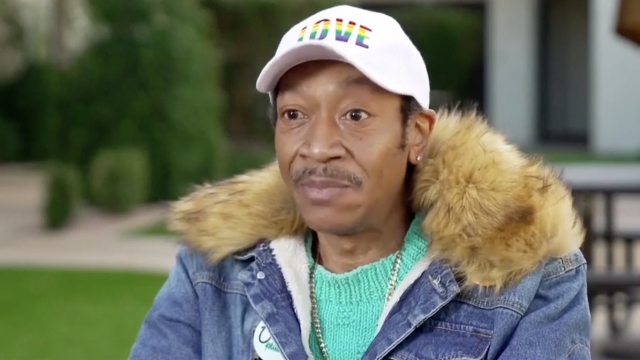
Eric Eason fears HIV/AIDS information is failing to reach Black communities. Eason, now 56-years-old, tested positive for HIV in his early 20s. His diagnosis in the 1980s came as the epidemic raged. The first AIDS cases were reported in the U.S. in June of 1981, and cases and deaths for people with AIDS increased rapidly. In the 1990s, new cases and deaths declined substantially.
Eason was a dancer in his 20s and attending college. He said he contracted HIV from a partner.


OpenAI CEO Sam Altman is responding to backlash after the company reached an agreement with the Pentagon to deploy ChatGPT in classified military environments, replacing Anthropic’s AI system, Claude.

Claude has become the top downloaded app in Apple's App Store, marking a major milestone for the AI tool as it gains traction with general consumers.