History is a politicised commodity, not a matter of inquiry: Manu S. Pillai
The Hindu
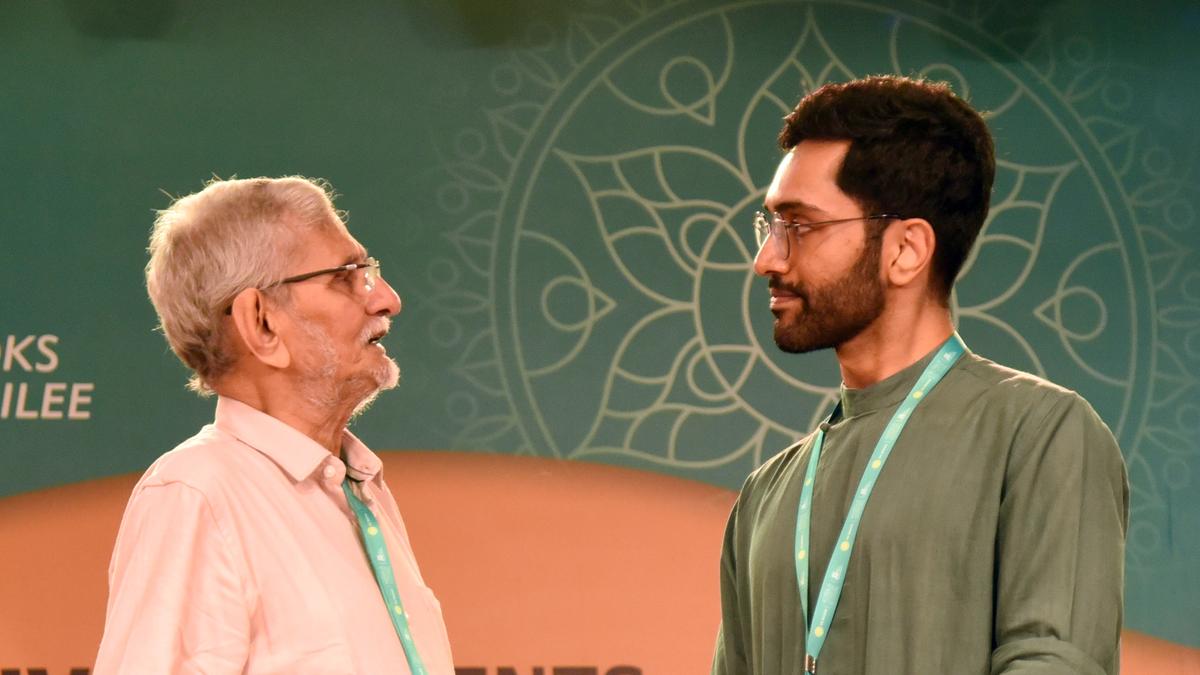
Historian Manu S. Pillai discusses the politicization of history and its impact on society at a lecture event.
Historian Manu S. Pillai has said that history is a politicised commodity, and not merely a matter of academic or general inquiry.
He was delivering a lecture titled ‘What is history?’ in memory of DC Kizhakemuri, the founder of DC Books, at an event to mark the golden jubilee of the publication here on Thursday.
Mr. Pillai said that in a diverse society, there can never be just one prism through which the world could be viewed. Taking the example of colonialism, he said that it had been a violent repressive process around the world. “It has demolished native institutions, redrawn lines on the map, cut up communities, caused serious crises of identity, and the pain it leaves on its wake can often last generations. We, for instance, gained freedom in 1947, but even now live with big and small colonial influences. But equally, colonialism also brought in dynamics that resulted in what we might call constructive change,” he said.
Mr. Pillai said that in many ways, it forced Indians to introspect, reflect, and discard elements of their own culture that were patently problematic. “It was under colonial rule that Dalits, for example, were able to access modern education and organise themselves in potent new political ways.” Gandhiji discarded the white man’s three-piece suit to dress like an Indian peasant, making a powerful political statement this way.
“But, [B.R.]Ambedkar did the reverse, he wore and flaunted the suit, because to him as a Dalit, it was a sign of empowerment. Gandhiji had the privilege and social capital to discard European garments for the loincloth. Ambedkar’s ancestors had no option but to wear the loincloth. For him, the suit represented not imperialism, but a sense of dignity,” Mr. Pillai said. He pointed out that history mattered because it was everywhere, in the shape of cities, in the structure and design of buildings, in the fabric that people wear, in the languages they speak, and even in their emotional lives and experiences.
Writers N.S. Madhavan, K. Satchidanandan, and Ravi DeeCee, among others, were present.


The Ottiyambakkam panchayat had an harrowingly difficult time keeping people from swimming in the deadly quarry with its protruding rocks under the water. There had been many deaths. And then nature intervened, and the fatal accidents stopped. An invasive, floating weed that is a bane of water sources everywhere, the water hyacinth is not just tolerated in the quarry but welcomed

Fuel supply panic causes severe traffic congestion in Hyderabad on March 25, 2026, prompting police intervention to manage long queues and road chaos.

Mohamed Salah will leave Liverpool at season's end, concluding a remarkable nine-year tenure at Anfield.

Telangana CM to hold urgent meeting on March 25 to address petrol, LPG, and urea stock concerns amid rising demand.

Karnataka Minister announces efforts to resume separate Haj terminal at Mangaluru airport, pending Centre's approval.

Ahead of the Assembly election, DMK Youth Wing secretary and Deputy Chief Minister Udhayanidhi Stalin has tasked the party youth wing members with meeting young voters every day till the polling day to explain various achievements of the ‘Dravida model government’ to them.

Bird flu outbreak in Chhattisgarh's Bilaspur kills 4,400 chickens, prompting increased surveillance and culling measures.

Four queer activists discuss the repercussions of the Trans Amendment Bill 2026 on dignity and identity within the community.

Explosion in Ooty's Botanical Garden highlights Tamil Viduthalai Padai's protest against Hindi imposition and demand for Tamil Eelam.

Assembly polls 2026: Follow updates from The Hindu on the upcoming elections in five States on March 25, 2026

Royapuram faces urgent issues like livelihood security, affordable housing, and social welfare as residents prepare for the assembly election.

Long queues at Hyderabad fuel stations persist on March 25, 2026, as motorists face delays

ChatGPT maker OpenAI is offering private-equity firms a sweeter deal than rival Anthropic as both artificial intelligence companies court buyout firms to form joint ventures