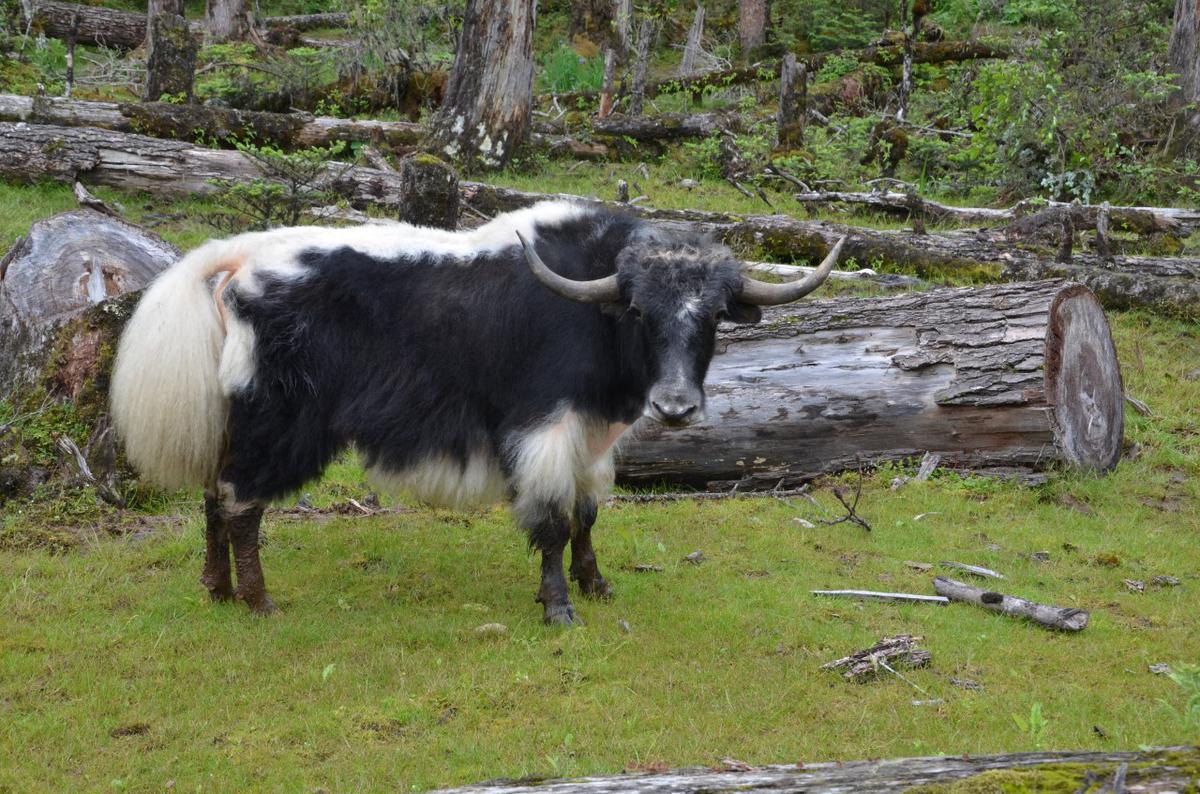
Himalayan yak gets FSSAI food animal tag
The Hindu
The categorisation is expected to check the decline in the population of the high-altitude bovine, the National Research Centre on Yak said.
GUWAHATI
The Himalayan yak has earned the food animal tag from the Food Safety and Standard Authority of India (FSSAI).
The categorisation is expected to help check the decline in the population of the high-altitude bovine animal by making it a part of the conventional milk and meat industry.
Mihir Sarkar, the director of the National Research Centre on Yak (NRC-Y) based in Arunachal Pradesh’s Dirang, said his institution had submitted a proposal to the FSSAI in 2021 for considering the yak as a food animal.
The FSSAI responded with an official approval a few days ago after a recommendation from the Department of Animal Husbandry and Dairying.
“The yak plays a multidimensional socio-cultural-economic role for the pastoral nomads who rear it mainly for earning their nutritional and livelihood security due to the lack of other agricultural activity in the higher reaches of the Himalayan region where it is difficult for animals except the yak to survive,” Mr. Sarkar said.
Yaks are traditionally reared under a transhumance system which is primitive, unorganised and full of hardship. But the yak population in the country has been decreasing at an alarming rate, data provided by the NRC-Y said.


A Sikh organisation has lodged a complaint against the makers of the film alleging that the movie’s promotional material has hurt the religious sentiments of the Sikh community

Speculation over Congress' Chief Ministerial candidate in Kerala persists despite party leaders' attempts to quell the discussions ahead of elections.

A fake dentist operating illegal clinic in Hyderabad's Old Neredmet has been arrested for endangering public health.

Explore the concept of Force Majeure and its implications amid ongoing geopolitical conflicts affecting global gas exports.

Malavika Sarukkai’s latest production Beeja explores humanity, Nature and healing through the language of dance.

Hindustani expert N Rajam and Mandolin Rajesh are among the National Awardees of the Sree Ramaseva Mandali’s Chamarajpet Ramanavami this year

Explore exclusive interviews with Tamil Nadu political leaders ahead of the 2026 Assembly election to aid informed voter decisions.

Explore North East India with South Star Rail's three unique 14-day train tour packages from Mangaluru, starting April 25.

A woman and her son sustained burn injuries in a gas cylinder fire in Bagalkot, Karnataka, and were hospitalised.

Directed by Nicholas Kharkongor, the show also stars Angira Dhar, and Ranveer Brar in pivotal roles

T.N. CM Stalin blames Centre's delimitation focus for diverting attention from the cooking gas shortage crisis.

UDF plans to challenge Kerala BJP chief Rajeev Chandrasekhar over alleged asset concealment and criticizes CPI(M) for corruption.

Telangana's Civil Supplies Commissioner assures no fuel shortage, with 20,000 kilolitres of petrol available