Hikes, nosy neighbours afflict Zimbabweans in quest for mobile connection
The Hindu
Silozwe village in Zimbabwe faces rural connectivity challenges, impacting daily life and business opportunities for residents.
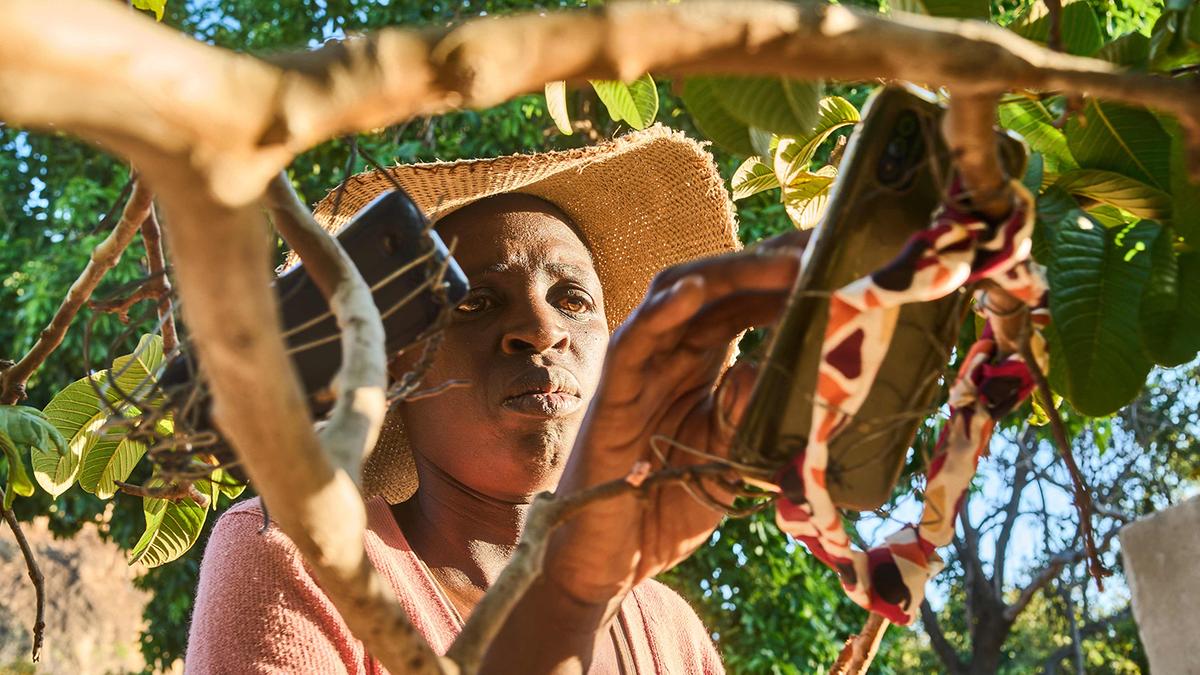
As the sun sets over Zimbabwe's Matobo Hills, boys throw stones to chase baboons away. Their goal isn't to enjoy the view of dusk but to search for a mobile network without interference from wild animals.
Silozwe, a village less than 50 kilometres (31 miles) from the southern city of Bulawayo, the southern African country's second largest, sits in a connectivity black hole.
To an outsider, the daily stream of villagers clambering up the hill might look like a pilgrimage to a rain-making ceremony, but it's a communal trek to make phone calls, send messages and check social media.
"Grown up as I am, it's hard for me to get up the hill, and sometimes I still fail to connect," said Sakhile Sibindi, 60, a grandmother who walks five kilometres to reach the spot from her home.
Rural connectivity issues are not unique to Zimbabwe.
About a third of the world's population, or 2.6 billion people, do not have internet access, according to the United Nations, which has a target to get everyone online by 2030.
"The internet is an essential tool to access information, employment opportunities and education. People without meaningful access may be left behind," the UN's International Telecommunication Union said in a 2023 report.


Saudi Arabia expels Iranian military staff amid escalating tensions and ongoing missile attacks during the U.S.-Israeli war on Iran.

Russia claims control of Potapivka village in Ukraine's Sumy region amid ongoing military efforts to establish a buffer zone.

Iranian missile strikes on Israeli towns cause widespread damage and injuries, marking a significant escalation in the ongoing conflict.

As Gor makes first trip as U.S. Special envoy to South Asia, Delhi watches strategic signals closely
Sergio Gor's inaugural trip as U.S. Special Envoy to South Asia signals strategic U.S. engagement amid regional tensions.

Slovenians vote in a tight election between liberal and populist candidates, impacting the country's future domestic and foreign policies.

Netanyahu asserts U.S.-Israel alliance fights Iranian threats, emphasizing global security after missile strikes on Israeli and European targets.

Israeli settlers attack Palestinian villages in the West Bank, causing injuries and destruction amid ongoing settlement expansion.

Britain asserts no evidence of Iran planning missile strikes on Europe, despite Israeli claims of missile capabilities.

UNESCO reports over half of countries have banned phones in schools due to concerns about attention, cyberbullying, and social media impact.

Analysis reveals a U.S.-operated Patriot missile likely caused a pre-dawn explosion in Bahrain, injuring numerous civilians.

Sri Lanka raises fuel prices by 25% amid ongoing West Asia conflict, impacting petrol and diesel costs significantly.

Iran strikes near Israeli nuclear research center as Trump threatens attacks on Iranian power plants
Iran's missile strikes near Israel's nuclear site escalate tensions as Trump threatens retaliation against Iranian power plants.

Saudi Arabia intercepts one of three ballistic missiles targeting Riyadh amid ongoing regional tensions and threats from Iran.