Heat waves that spark damaging droughts are happening more frequently, study finds
ABC News
A new study shows heat waves increasingly trigger sudden, severe droughts across the world as the planet warms
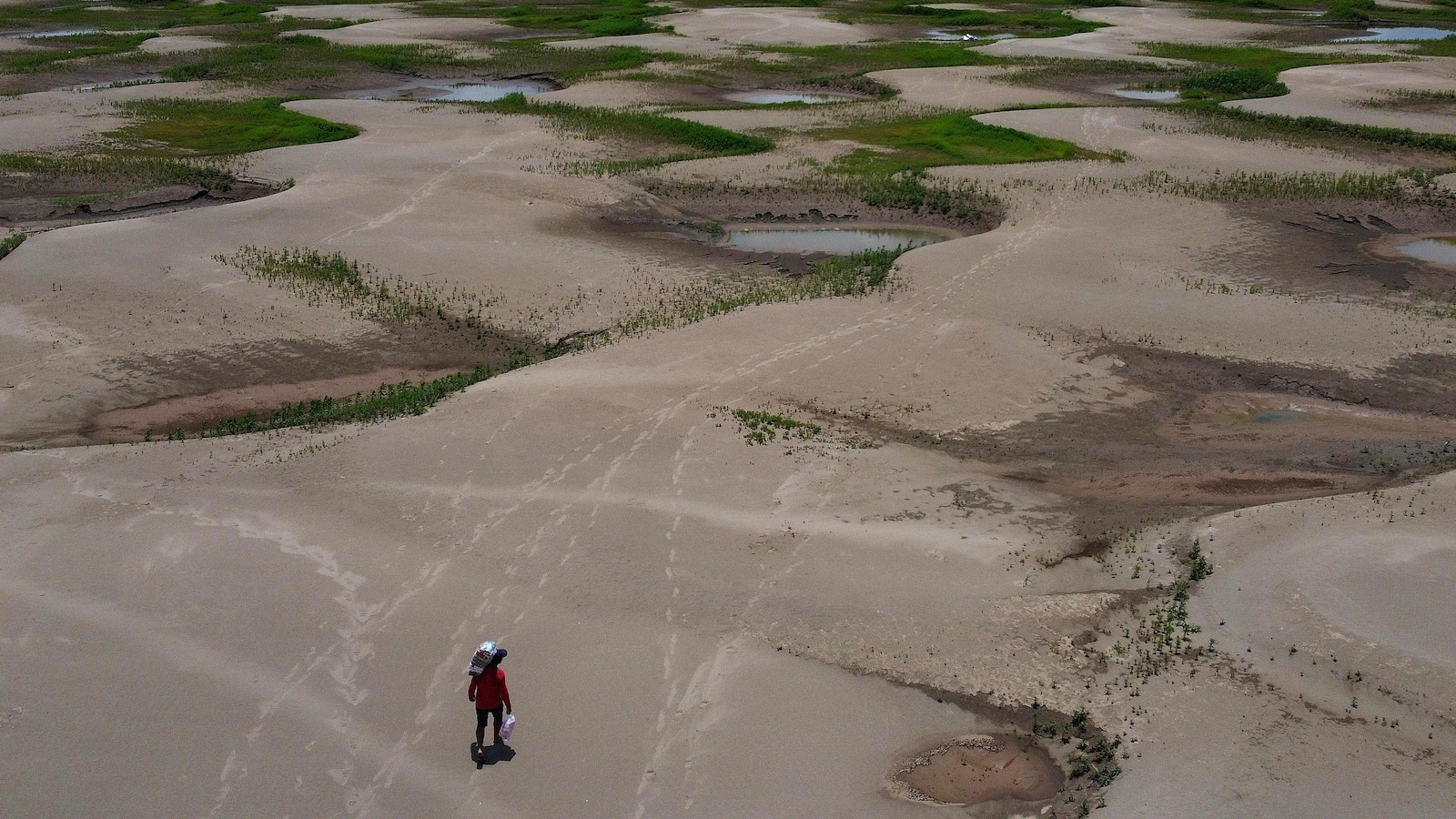
WASHINGTON -- Heat waves that lead to sudden and damaging drought are spreading across the globe at an accelerating rate, highlighting how climate change-fueled extremes can build dangerously off each other, a new study found.
Researchers from South Korea and Australia looked at compound extreme weather — a one-two punch of heat and drought — and found it increasing as the world warms. But what's rising especially fast is the more damaging type when the heat comes first and that triggers the drought. In the 1980s, that kind of extreme covered only about 2.5% of Earth's land each year. By 2023, the last year the researchers studied, it was up to 16.7%, with a 10-year average of 7.9%
The average has likely gone even higher with 2024's record global heat and a 2025 that was nearly as warm, the study's authors said.
In their study published in Friday's Science Advances, the scientists said the quickening rate of change is even more concerning than the raw numbers. For about the first two decades since 1980 they examined, the spread of heat-first extremes increased, but the rate in the last 22 years is eight times higher than the earlier rate, the study found.
Events where drought happens first, followed by high heat, remain more common and are also rising. But the researchers focused on those increasing cases where heat struck first. That's because when heat strikes first, the droughts are stronger than when the droughts come first or don't come with high heat, said co-author Sang-Wook Yeh, a climate scientist at Hanyang University in South Korea.


After about a month of hearing from addiction experts, therapists, platform engineers and executives, including Mark Zuckerberg, a jury will listen to closing arguments before heading to the deliberation room to decide whether social media companies sh...

Rural school districts say the Trump administration’s visa changes are jeopardizing a key source of teachers

Cuba is grappling with a fast-growing wave of synthetic drug use that is hitting young people hard

An old NASA science satellite is no more

Stryker, a U.S. medical equipment company, says a cyberattack has disrupted its global networks

Virginia senators are pushing to curtail a 5.3% tax break for data centers

The Iran war is testing America's ability to combat swarms of cheap drones that have become a staple of the modern battlefield after Ukraine and Russia demonstrated how effective they can be

Hawaii's Kilauea volcano is shooting lava fountains up to 1,000 feet, and falling ash and volcanic fragments are forcing temporary closures on the Big Island

Meta is acquiring Moltbook, a social network where AI agents post and chat with each other

The FDA is approving a generic drug for a very rare genetic disorder, but not for autism

A new study in the journal Nature Cities shows that as temperatures rise aboveground, the number of subway riders reporting uncomfortable heat belowground increases

Tomoko Kobayashi reopened her inn in northeastern Fukushima to bring a sense of normal life back to her deserted hometown five years after the nuclear disaster

French President Emmanuel Macron is traveling to Cyprus