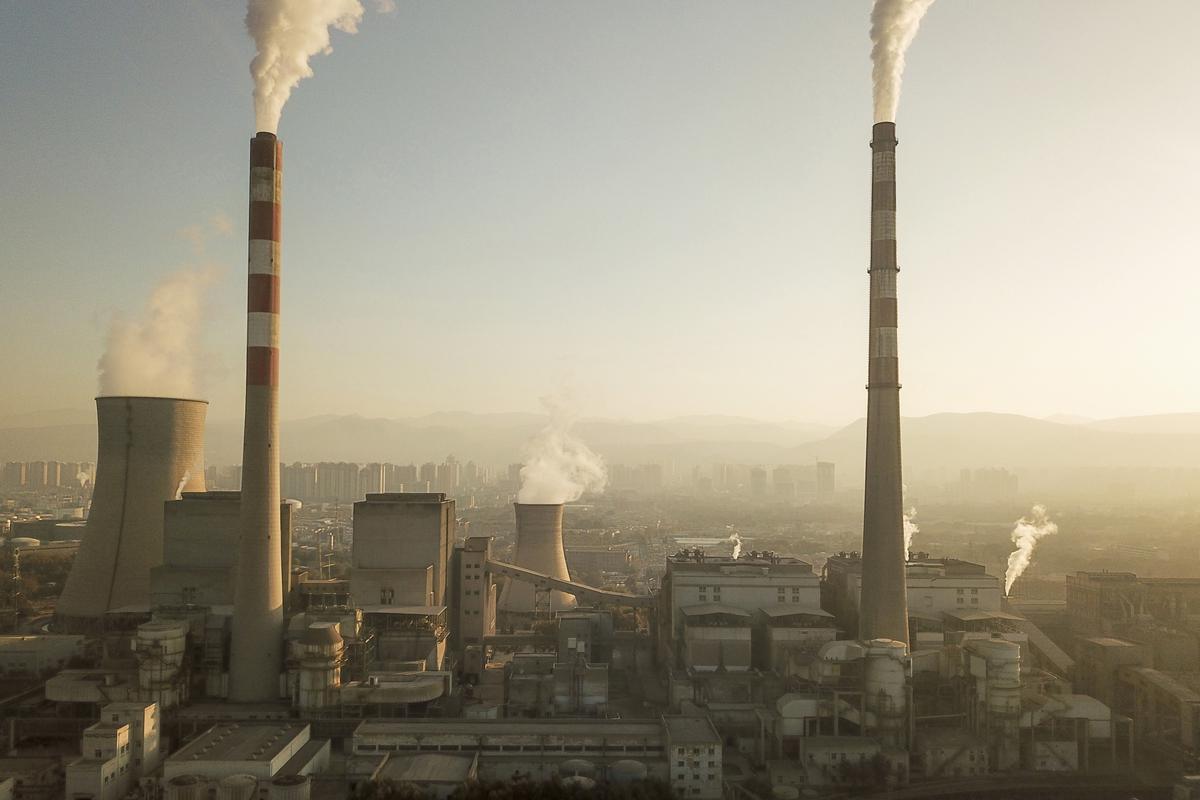
Heat waves cost poor countries the most, exacerbating inequality
The Hindu
Periods of extreme heat cost the global economy about $16 trillion dollars between 1992 and 2013.
Heat waves, intensified by climate change, have cost the global economy trillions of dollars in the last 30 years, a study published Friday found, with poor countries paying the steepest price.
And those lopsided economic effects contribute to widening inequalities around the world, according to the research.
"The cost of extreme heat from climate change so far has been disproportionately borne by the countries and regions least culpable for global warming," Dartmouth College professor Justin Mankin, one of the authors of the study published in the journal Science Advances, told AFP. "And that's an insane tragedy."
"Climate change is playing out on a landscape of economic inequality, and it is acting to amplify that inequality," he said.
Periods of extreme heat cost the global economy about $16 trillion dollars between 1992 and 2013, the study calculated.
Also Read | At COP27, move the needle on climate action
But while the richest countries have lost about 1.5 percent of their annual per capita GDPs dealing with heat waves, poorer countries have lost about 6.7 percent of their annual per capita GDPs.


"Dhurandhar: The Revenge" exemplifies how films propagate a violent nationalism, reshaping Indian identity and undermining democratic values.

BJP’s junior ally in Assam, AGP, gets the same number of seats to contest as last time, but a granular analysis reveals slipping ground

Parliament Budget Session LIVE: Follow The Hindu for the latest updates on the Budget Session on March 24, 2026.

At Amar Khamar in Kolkata, a lunchroom rooted in Bengal’s landscape and literature works with women farmers, Sundarbans’ communities and beekeepers to revive rare rice, heirloom ingredients and disappearing food traditions

Delhi experiences a cooler morning at 16.6°C, with daytime temperatures expected to exceed 30°C and moderate air quality.

Know all about Assam's political landscape ahead of the 2026 Assembly Elections, analysing voting trends, turnout, and party dynamics.

Members of LGBTQIA+ communities held protests across Karnataka, categorically opposing the recently proposed Transgender Persons (Protection of Rights) Amendment Bill, 2026.

Congress criticises Modi government, citing reports about Pakistan's diplomatic role amid U.S.-Iran tensions, labelling it a setback for India.

Folk music with the Barmer Boys that crosses all boundaries

Tamil comic blockbuster Thaai Kizhavi releases on JioHotstar this week, as actress Radikaa Sarathkumar rewrites rules on pay, age, and women in Tamil films

"The jury has difficulty coming to a consensus regarding one defendant, do you have any advice on how to move forward?" the jurors told Judge Carolyn Kuhl

Maharashtra relocates 25 leopards to Gujarat's Vantara facility amid rising leopard and tiger populations, says Forest Minister Naik.

Assembly polls 2026: Follow updates from The Hindu on the upcoming elections in five States on March 24, 2026