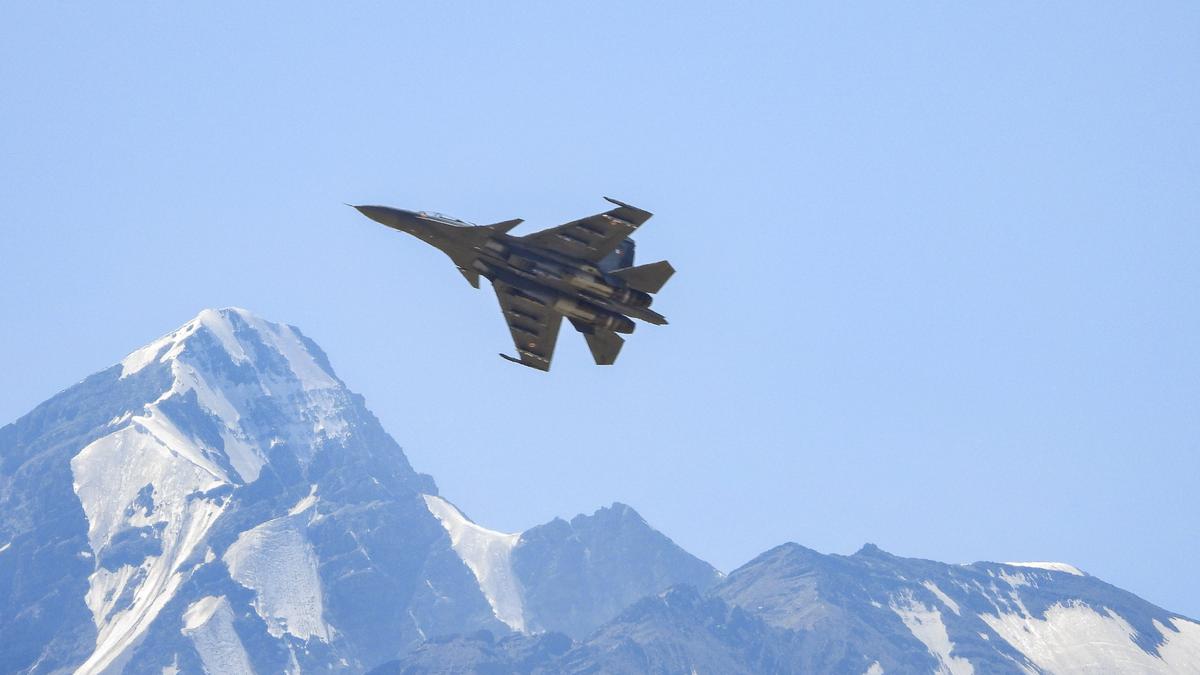
HAL delivers first AL-31FP aero engine to IAF for Su-30MKI aircraft
The Hindu
HAL has signed a contract for delivery of 240 AL-31FP Aero Engines for Su-30MKI aircraft to IAF. HAL Chairman and Managing Director Dr. D.K. Sunil said that HAL is committed to timely delivery of the 240 engines.
Hindustan Aeronautics Limited (HAL) handed over the first AL-31FP Aero Engine, manufactured under a 240 engine contract, to IAF on September 30 at Koraput, Odisha.
The contract for 240 AL-31FP Aero Engines for Su-30MKI aircraft was signed with HAL on September 9, 2024. These engines would be delivered in eight years.
Sanjeev Kumar, Secretary (Defence Production) lauded HAL’s efforts in delivering the first engine within two weeks of signing the contract.
“This key milestone reflects HAL’s aero engine manufacturing competency and dedication to support the Su-30MKI fleet of the IAF. It is very heartening to see that Koraput division has mastered cutting edge technologies of aero engine manufacturing and has set up required infrastructure to match global OEMs. I am confident that the division will not only serve IAF, but will also play a bigger role in exporting to global customers,” he said.
HAL Chairman and Managing Director Dr. D.K. Sunil said that HAL is committed to timely delivery of 240 engines.
“The government has envisioned Atmanirbharta to build a vibrant eco-system in aerospace and defence. During this entire engine manufacturing process, we aim to engage Indian industries from the present level of work share from 40% to more than 50% in the next 2-3 years and help in employment generation. With the support and guidance from the Ministry of Defence, we will strive to achieve Atmanirbharta in defence and propel HAL towards Viksit Bharat,” he said.


The Thane police have arrested two co-founders of cryptocurrency exchange platform CoinDCX in connection with an alleged fraud of Rs 71.6 lakh, officials said

Meta Chief Executive Mark Zuckerberg is building a CEO agent to help him do his job, the Wall Street Journal reported

Insurance penetration and density are often misunderstood and do not reveal how many families are insured or whether they would be financially secure if the main earning member were to die. The real issue is not reach but adequacy, as households may have life insurance but not enough cover to replace lost income, leaving them financially vulnerable.

Five top firms lose ₹1 lakh crore in market value, with HDFC Bank experiencing the largest decline of ₹56,124.48 crore.

L&T confirms 95% of its West Asia project sites are safe, while addressing logistics challenges amid ongoing regional conflicts.

Mines Ministry to auction 19 critical mineral blocks on March 23, expanding strategic resources for clean energy and technology sectors.

Mines Ministry to auction 19 critical mineral blocks on March 23, expanding strategic resources for clean energy and technology sectors.

Five top firms lose ₹1 lakh crore in market value, with HDFC Bank experiencing the largest decline of ₹56,124.48 crore.

HDFC Bank terminates three senior officials over client onboarding issues at its DIFC branch amid ethical concerns following chairman's resignation.

Air India CEO warns of potential flight cuts and reduced travel demand due to rising fuel costs amid ongoing Gulf conflict.

Options are widely used by retail traders to speculate on the value of the stock for immediate gains and such behaviour in large scale can distort the market

India achieves 1 billion tonne coal production for the second consecutive year, ensuring stable energy supply and economic growth.

Generic drugmakers in India launch affordable Semaglutide versions, targeting a $1 billion diabetes and weight loss market.