Greater Chennai Corporation to hold meeting on improvement of six-vent culvert in Velachery
The Hindu
Greater Chennai Corporation plans to improve Velachery culvert with stakeholder input, greenery, and connectivity enhancements for sustainable urban development.
The Greater Chennai Corporation (GCC) will hold a stakeholders’ meeting on the improvement of the six-vent culvert in Velachery under Adyar zone. According to the civic body, an announcement regarding the meeting, which will involve the participation of interested individuals, residents of Velachery, and non-governmental organisations, will be issued soon.
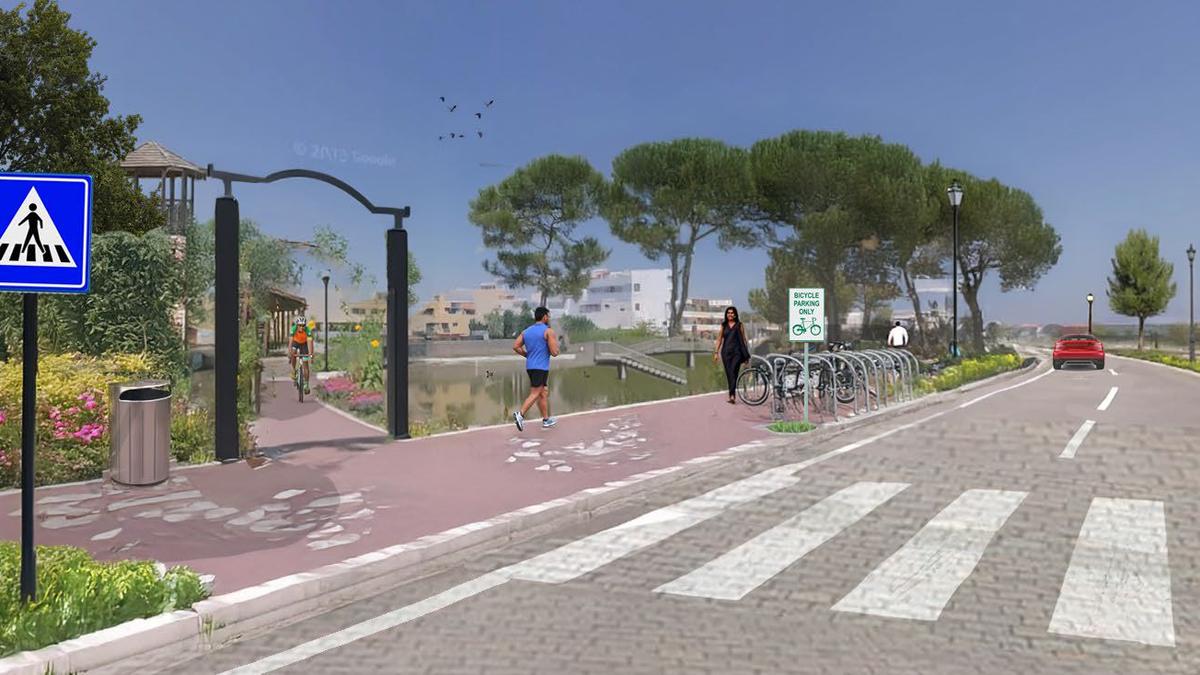
A study done by the GCC for the project, estimated to cost around ₹15 crore, listed plans for planting bamboo saplings on the bank of the waterbody, building seating facilities, and laying a pedestrian walkway and cycle track. A zonal-level official said temporary pipes laid on account of Cyclone Fengal would be concretised as a part of the project. The ideas discussed in the stakeholders’ meeting will be incorporated into the project, said a senior official in the GCC.
“Clearing encroachments is also part of the plan. The final results of a Chennai Collectorate survey on government and private lands in Sholinganallur and Velachery taluks is awaited. After analysing this, the bund may be moved further, increasing the waterbody’s capacity,” the official said. So far, the GCC has found that certain buildings have encroached upon the public spaces around a pond close to the six-vent culvert. These will be cleared and the waterbodies will be connected via a bridge.
The study stated that the Velachery neighbourhood featured mixed-use spaces, including residential, office, transit, and commercial zones. However, it is hindered by inconsistent greenery, inadequate connectivity to transit areas, and vulnerability to flooding.
The other projects identified for the region include a ‘Perungudi Promenade’, which is an Mass Rapid Transit System (MRTS) eco-mobility corridor that will enhance access to lakes and neighbourhoods while promoting eco-sensitive living spaces, the study stated. The corridor will incorporate walking and cycling routes, public transit areas, and blue-green networks to improve biodiversity, water retention, and community interaction.
The study also featured the scope for the Detailed Project Report (DPR), which includes a ‘comprehensive public realm’ and street improvements, ‘strategic non-motorised transport enhancements’, and integration of multimodal infrastructure within 200 m of the MRTS station’s vicinity.
The GCC is in the process of drafting a Terms of Reference (ToR) and preparing a financial proposal for the project. This involves addressing key aspects such as land ownership, which includes areas managed by the GCC, Southern Railway, and private stakeholders. They are also focusing on aligning the project with ongoing or planned mobility initiatives in the region. The next steps will be shaped by inputs from stakeholder consultations and the finalisation of the project’s framework.


Bengaluru's M. Chinnaswamy Stadium conducts readiness drill ahead of IPL 2026, ensuring upgrades and technical preparations are complete.

First-level randomisation of EVMs completed in Nagapattinam for upcoming elections, ensuring transparency and security.

A district-level committee in Krishnagiri has been formed to assess and verify seizure claims of goods and cash.

Minister Anam Ramanarayana Reddy pledges government support for local fishermen and farmers facing challenges in Andhra Pradesh.

MP M. Sribharat urges collective efforts to revive Visakhapatnam Steel Plant, highlighting key reforms for crucial recovery and growth.

141 candidates have filed nominations for Kozhikode's Assembly elections, with scrutiny on March 24 and campaigning intensifying.

BJP's Vijayendra accuses Congress of using money to influence Bagalkot bypolls, urging voters to reject their tactics.

First randomization of electronic voting machines completed in Tirunelveli and Tenkasi districts for upcoming Assembly elections.

RPF seizes 10.12 kg of unclaimed cannabis worth ₹5.06 lakh from a train in Mangaluru.

Kolar's groundwater levels rise to 50-100 ft due to the K.C. Valley project, ensuring clean water and improved health outcomes.

Three smugglers arrested in Sangareddy with 574 kg of ganja valued at ₹2.87 crore during a police operation.

Mysuru MP urges a 'flex-free Mysuru' by discouraging birthday banners, promoting responsible celebrations to preserve the city's heritage.

Farmers of Kalakudi demand payment for paddy bags procured at DPC