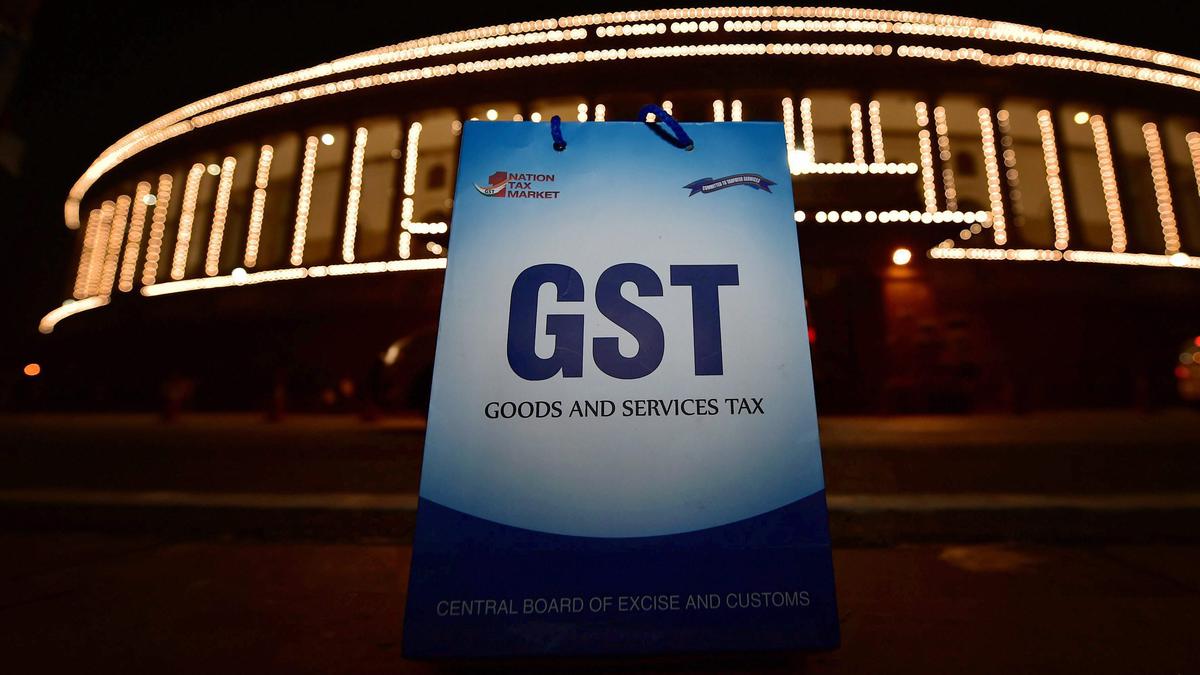
Govt. mulls rating firms on GST compliance
The Hindu
Govt. mulls GST compliance ratings for firms
The government is mulling the introduction of tax compliance ratings for vendors under the Goods and Services Tax (GST) regime and a pilot project is on the anvil to try out biometric authentications for applicants to be able to register with the GST framework.
While GST officials are cracking down on fake invoicing and other tax evasion techniques, they have also found more than 11,000 firms that were considered ‘fake registrations’, some of which were undertaken through identity theft.
Shashank Priya, member (GST) in the Central Board of Indirect Taxes and Customs (CBIC) said a pilot was in the works for biometric authentication of Aadhaar of high-risk applicants with OTP verification on e-mail and mobile number linked to PAN.
The risk score for applicants would be determined on the basis of detailed parameters and sophisticated data analytics which would be further made robust by using Artificial intelligence and Machine Learning” he said at a meeting hosted by Assocham to mark six years of GST.
GST Network CEO Manish Kumar Sinha, said there was a move towards vendor ratings which may include providing all relevant data points to the industry which was largely compliant. “The GST law has a section dedicated to compliance rating and this will in one form or the other come into play,” he said.


Indian markets plunged over 3% amid soaring crude prices, rupee depreciation, and escalating West Asia geopolitical tensions in March 2026.

Government launches ₹497 crore RELIEF scheme providing credit insurance to exporters affected by the West Asia crisis, focusing on MSMEs.

Crude oil futures rise amid Middle East attacks, pushing Brent above $116 on fears of tightening global supply.

West Asia conflict delays India’s FTA talks with GCC and Israel, while UK and EU agreements proceed as planned in 2024.

Russian Urals oil vessels will reach India on March 21 amid stable fuel prices and diversified LPG imports.

Warner Bros. dominated the Academy Awards, but Paramount’s looming acquisition of the studio signals the biggest restructuring of the industry in decades and a battle over the future of Hollywood itself

HDFC Bank board calls Atanu Chakraborty’s resignation baffling, affirms robust corporate governance and strong market confidence.

RNFI and Jio Payments Bank launch cardless UPI QR cash withdrawals for instant access across urban, semi-urban, and rural India.

RBI approves HDFC Bank's chairman transition plan, affirming the bank's strong financials and competent management.

Markets fall 2% as Israel attacks Iran’s South Pars gas field, pushing Brent crude above $112 and rupee below ₹93.

HDFC Bank shares drop over 4% following chairman’s ethical resignation, raising insider trading and management concerns.

Erran Berger, the Vice President of Product Engineering at LinkedIn, thinks the former type of division of labour is rapidly disappearing

India mandates oil and gas firms to share import and export data to mitigate consumer shortages amid rising global prices.