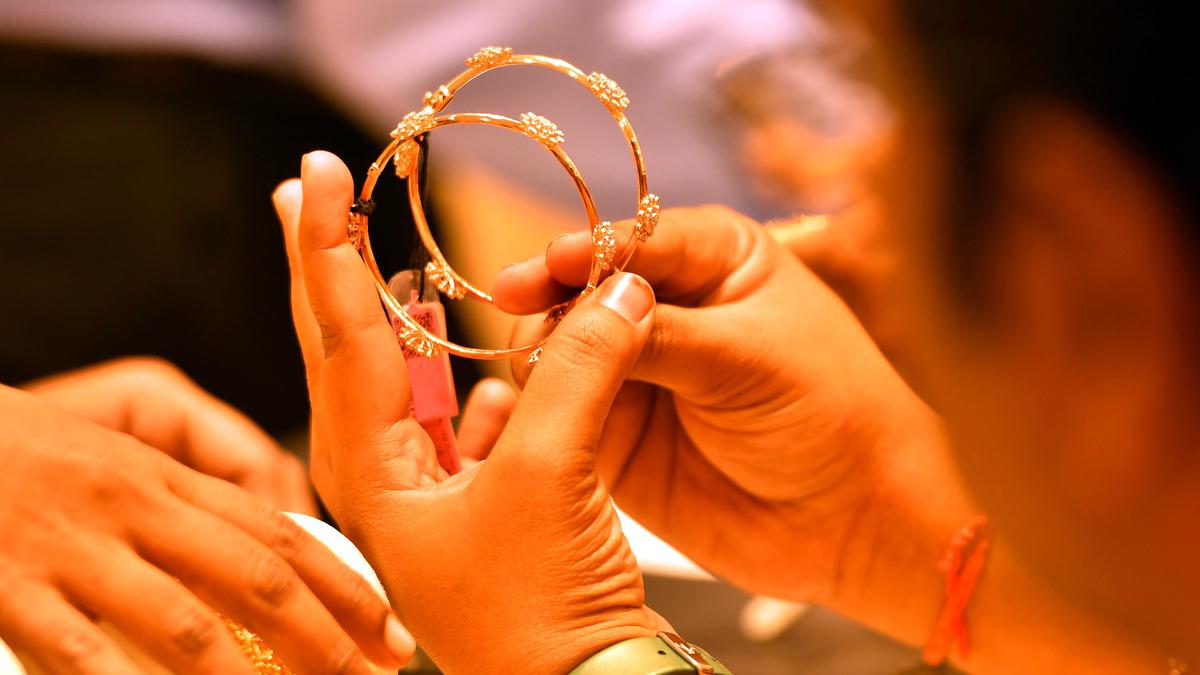
Gold smuggling at four-year high
The Hindu
Finance Minister Nirmala Sitharaman said “The smugglers of gold and silver adopt various methods…including body concealment”
Seizures of smuggled gold have shot up to a four-year high in 2022-23, indicating an alarming rise in unauthorised trade of the yellow metal following the import duty hikes implemented last July.
In just the first 11 months of 2022-23, smuggled gold of almost 4,000 kilograms has been seized, which is already over 10% higher than seizures through the full pre-COVID year of 2019-20. This is almost equal to the total seizures made over the past two years combined, as per data from the Finance Ministry placed in the Lok Sabha on Monday.
“Government agencies have detected cases of attempted smuggling of gold and silver,” Finance Minister Nirmala Sitharaman said in response to a query from MP Sougata Ray. “The smugglers of gold and silver adopt various methods…including body concealment,” she added.
In July 2022, the government raised the basic customs duty on gold from 7.5% to 12.5%, and added a 10% social welfare surcharge on the duty, in a bid to curb imports and the trade deficit.
Officials believe that the higher inflows of gold through the smuggling route would also have brought down the official gold import bill. Between April 2022 and February 2023, India’s gold imports have dropped almost 30% from a year ago to $31.7 billion.
While airports account for over 2,500 kg of smuggled gold seized by agencies, the influx from other sources seized in different parts of the country have shot up 52.3% so far this year from 2019-20 levels.


The rupee declines 20 paise to 93.73 against the dollar as global oil prices rise and investor uncertainty persists.

Siemens said on Monday that the Iran war has led to customers holding back on new investments as prices increase for raw materials and energy.

OpenAI said its close ties with Microsoft could be a potential risk to its business, telling investors that the software company is responsible for “a substantial portion of our financing and compute,” CNBC reported

LPG crisis: Alternative solutions are being considered, with ammonia cylinders being increasingly used for industrial applications amid delays in commercial LPG deliveries.

India monitors U.S. military pause on Iran as oil prices dip; External Affairs Minister engages with GCC nations for support.

India monitors U.S.-Iran tensions as Trump pauses attacks, leading to a significant drop in oil prices.

Union Minister Ashwini Vaishnaw launches three initiatives to enhance India's creative economy through AI training, citizen platforms, and advanced tech access.

Two Indian-flagged LPG tankers approach the Strait of Hormuz, navigating safely amidst regional tensions to reach Indian ports.

Gold and silver prices plummet over 7% due to West Asia tensions, inflation fears, and a stronger dollar.

Asian shares fall as rising oil prices and escalating Iran conflict diminish hopes for U.S. interest rate cuts.

Japan's SoftBank Group said Saturday it plans to build a huge new gas-fired power plant in the US state of Ohio

Silver prices plunge 9% to ₹2.06 lakh per kg in futures trade amid weak global cues and rising macroeconomic pressures.

OpenAI plans to nearly double its workforce to 8,000 from 4,500 by the end of 2026, the Financial Times reported on Saturday, citing two people with knowledge