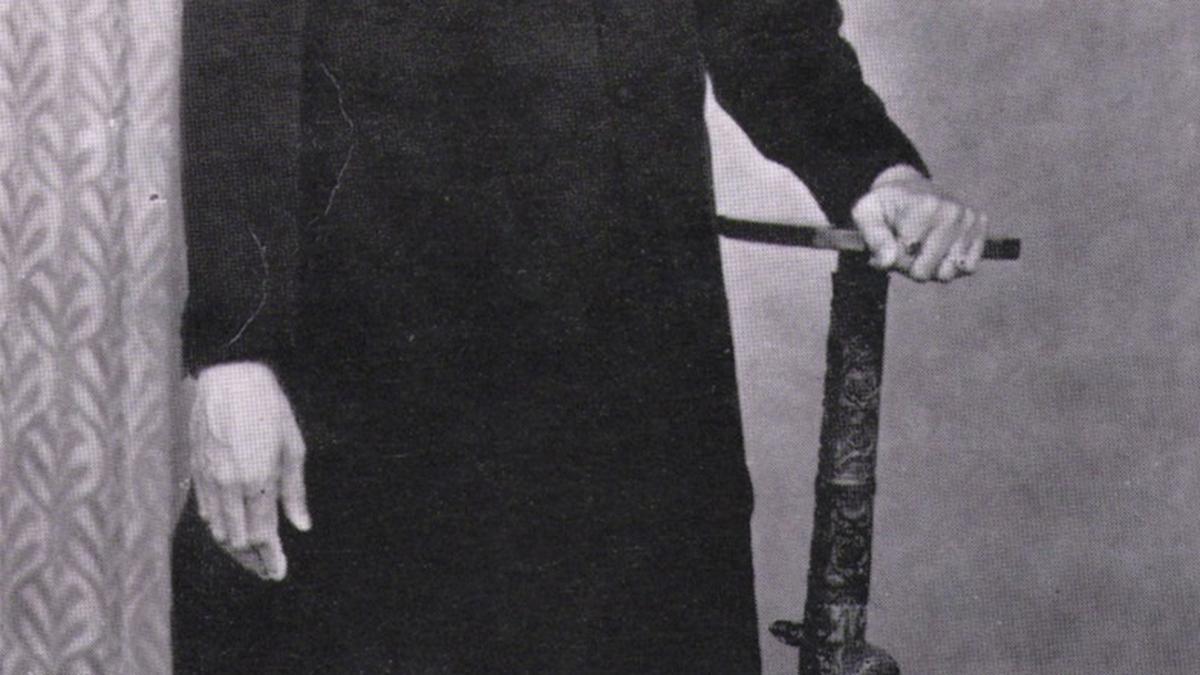
GNB: A Carnatic vocalist who thought ahead of time
The Hindu
A heartfelt tribute to Carnatic music legend GNB through immersive lecture-demonstration at Narada Gana Sabha.
In a hall resonant with reverence, rare echoes from the bygone era of Carnatic music came alive. At Narada Gana Sabha, in the presence of Nalli Kuppuswami Chetti, veteran Carnatic vocalist Trichur V Ramachandran paid a heartfelt tribute to his guru, the inimitable G.N. Balasubramaniam (GNB), on the maestro’s 60th Memorial Day. The event, a lecture-demonstration, became a deeply immersive homage, part historical resurrection, part emotional reminiscence, anchored by archival recordings and personal anecdotes.
Significantly, this was the first time GNB’s rare recordings, painstakingly revived, were presented in a public setting. These were not mere performances; they were windows into the very soul of an artiste who revolutionised Carnatic music.
Trichur V Ramachandran opened the evening with a profound declaration: “To me, GNB was Isai Deivam, a musical deity.”
“The last century had many maha vidwans, but GNB came like lightning,” Ramachandran said. ‘As Semmangudi once remarked, he came like a tsunami’. This dramatic arrival shook the conventions of Carnatic music, not by defying tradition, but by illuminating it with unparalleled clarity, voice, and vision.
His saariram (voice), his swarajñānam (intuitive grasp of notes), fearless manodharma, innovative presentations and innate gayaka lakshanam captivated both the scholar and the common rasika.
One story stood out as a glowing testament to GNB’s genius. After listening to the arohanam and avarohanam of raga Gowda Malhar, composed by Muthiah Bhagavatar, GNB came up with such an evocative raga elaboration that the composer, who happened to listen to it, was moved to tears and gifted GNB a tampura and invited him to teach at Annamalai University.
Such was the transformative quality of GNB’s music. It didn’t just adhere to the shastras; it expanded their expressive potential. “Our music is shastriya sangeetham,” said Ramachandran. “GNB stayed true to its core while enlarging its boundaries.”


Artist Kapila Nahender explores notions of belonging, growth and memories in her show Pockets of Resistance

BTS's comeback concert in Seoul drew over 100,000 fans, featuring their new album "ARIRANG" and a global livestream.

Prasads Multiplex Hyderabad unveiled one of India’s largest HDR cinema auditoriums, the PCX HDR by Barco

From staged funerals to rented fatherhood, Brendan Fraser turns rented intimacy into something disarmingly real in Hikari’s poignant Tokyo fable

Meet Nivrritii Mahesh, a Bharatanatyam dancer who dances with Cochlear implants

In a surprising turn of events, Urvashi theatre, one of Bengaluru’s iconic single screens, has re-opened, with the much-talked-about Dhurandhar: The Revenge running to a full house in the theatre. After the expiry of the 45-year lease, it seemed like curtains would come down on the king-size theatre but for now, it’s good news for fans.

The thrilling ‘Peaky Blinders’ finale is a farewell tour tailored for Tommy Shelby, while passing the baton to a new generation

BTS's comeback concert in Seoul drew over 100,000 fans, featuring their new album "ARIRANG" and a global livestream.

Khalid Rahman is reuniting with Malayalam superstar Mammootty after Unda (2019). The Thallumaala director has teamed up with the veteran for Mattancherry Mafia.

Bollywood actor Akshay Kumar paid tribute to the martial arts grandmaster and Hollywood’s action star, Chuck Norris, who passed away on Thursday, March 19, 2026.

Renowned Odissi dancer Madhumita Raut, aged 59, dies of cardiac arrest, leaving behind a legacy of artistic achievements.

Chuck Norris, iconic martial arts master and actor, dies at 86, leaving behind a legendary legacy and internet memes.

South African naturalist Steve Boyes speaks on ghost elephants, ancestral tracking, and Werner Herzog’s documentary exploring Angola’s elusive highland giants