Germany’s beer sector relies on education to combat climate change
The Hindu
Climate-resilient hops research in Germany's Hallertau region aims to combat climate change impacts on beer industry.
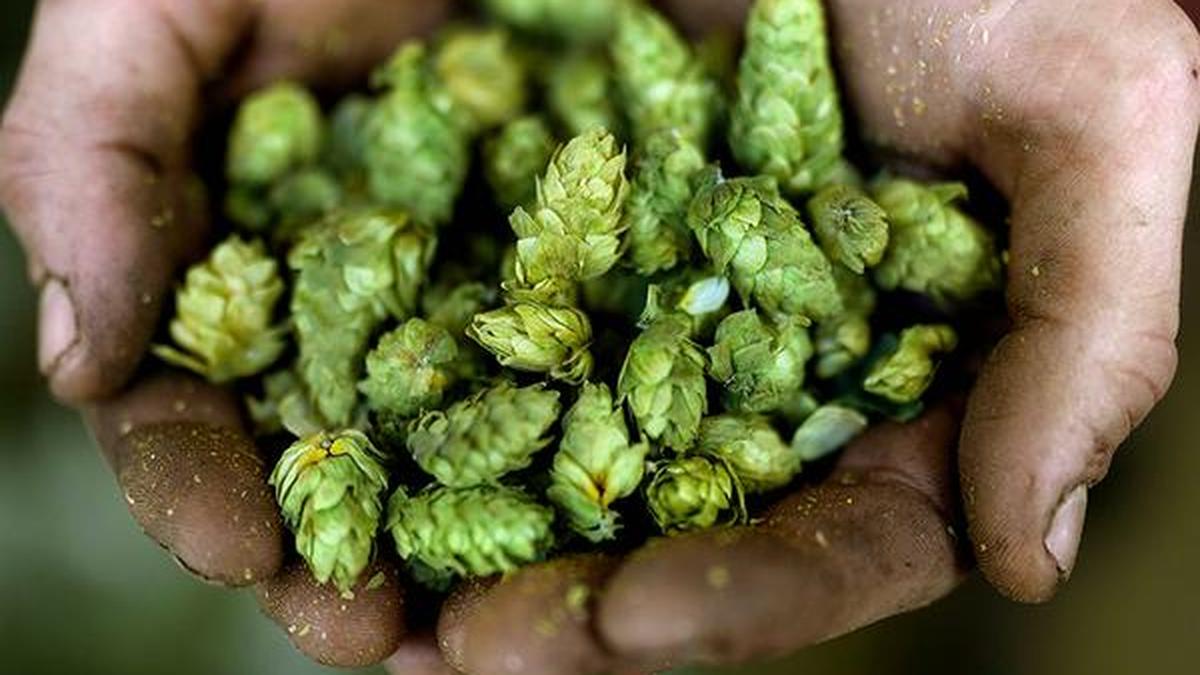
The keys to combating the climate change that’s wreaking havoc on Germany’s beer industry could lie inside a plant nursery — nicknamed “our kindergarten” — at the Society of Hop Research north of Munich. The 7,000 seedlings there are a mix of new varieties that sprouted from research, education and centuries-old German traditions in hops farming and beer brewing. The hope is that the plants will grow to be seven to eight meters tall and strong enough to withstand a multitude of diseases and disasters thrown at them — like rising temperatures, drought and the dreaded powdery mildew that can wipe out entire crops.
At every stage, the plants will be incorporated into education in university and vocational school classrooms, breweries and farms across Germany.
The seedlings’ successes — or failures — could determine the fate of the country’s famed Hallertau region, the world’s largest hops-growing area where most of the farms’ crops will end up in beer. . Researchers hope the specially bred hops will grow to become climate change-resistant and commercially viable varieties that will ultimately be brewed into beers served around the world.
Education and research are crucial components of Germany’s beer industry, from the Society of Hop Research to apprenticeships, a hops-cultivation vocational program and the vaunted Master Brewer diploma. Experts say this education and information-sharing are becoming ever more important to maintaining the traditional tastes of your favorite German lagers and ales.


Oil companies reassure the public of no fuel shortage, urging against panic buying and reliance on verified information.

GameStop reported a 14% drop in fourth-quarter revenue on Tuesday, a sign that its struggling brick-and-mortar business continues to face immense pressure

Epic Games said Tuesday it is laying off 1,000 employees to save money as it grapples with industry-wide and company-specific challenges.

Indian stock markets rise 2% as investor optimism returns amid easing crude prices and improved geopolitical clarity.

Gold and silver prices rebounded on March 25, but remain under pressure amid high volatility and global uncertainties.

Gaining the approval of local communities has become paramount to building data centres in the U.S., Microsoft President Brad Smith said

OpenAI on Tuesday announced key leadership appointments for its nonprofit arm and committed to investing at least $1 billion through the division

EU antitrust chief Teresa Ribera, who has voiced concerns about Big Tech extending its dominance into artificial intelligence, will meet the CEOs of Alphabet, Meta Platforms and OpenAI

OpenAI is close to securing about $10 billion in fresh funding from investors, boosting its valuation to $850 billion, including the money raised, a person familiar with the matter said, confirming an earlier report in Bloomberg News

Discover the key changes in the New Income Tax Rules 2026, simplifying compliance and enhancing deductions for taxpayers.

Palantir, which won a contract to supply AI systems to Britain’s Financial Conduct Authority, will not have access to regulatory intelligence, an FCA official said

Arm Holdings announced a new artificial intelligence data centre chip on Tuesday which it said will add billions of dollars of revenue

Amazon said on Monday its Amazon Web Services region in Bahrain has been “disrupted” amid the current conflict in the Middle East