Gene-edited beef cattle get regulatory clearance in U.S.
The Hindu
Meat from gene-edited cattle could be on the way in a few years
U.S. regulators on Monday cleared the way for the sale of beef from gene-edited cattle in coming years after the Food and Drug Administration concluded the animals do not raise any safety concerns.
The cattle by Recombinetics are the third genetically altered animals given the green light for human consumption in the U.S. after salmon and pigs. Many other foods already are made with genetically modified ingredients from crops like soybeans and corn.
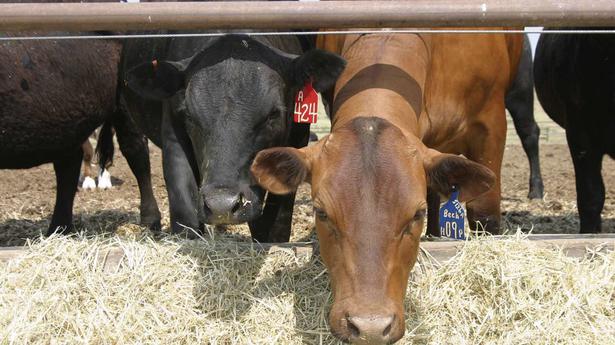
The cattle reviewed by the FDA had genes altered with a technology called CRISPR to have short, slick coats that let them more easily withstand hot weather. Cattle that aren’t stressed by heat might pack on weight more easily, making for more efficient meat production.
The company did not say when home cooks or restaurants might be able to buy the beef, but the FDA said it could reach the market in as early as two years.
Unlike the salmon and pigs, the cattle did not have to go through a yearslong approval process. The FDA said the cattle were exempt from that because their genetic makeup is similar to other existing cattle and the trait can be found naturally in some breeds.
Dr. Steven Solomon, director of the FDA’s Center for Veterinary Medicine, said the agency’s review of Recombinetics' cattle took several months. He said there’s no reason meat from the animals or their offspring would need to be labeled differently.
Solomon said a genetically altered animal marketed as having a special advantage — such a higher than normal ability to withstand heat — might need to go through the full approval process.


Discover the Minor Planet Centre, the key hub for tracking and verifying observations of small solar system bodies.

In this week's Science for All newsletter, XX explains

Test your knowledge with the quiz on Science films at the Oscars through history

Set between the Siwalik hills and the plains, Butwal offers travellers a mix of regional cuisine, pilgrimage trails to Lumbini and the comfort of Hyatt’s new hospitality landmark

Explore 2026's wallpaper trends in India, highlighting botanicals and handmade designs that enhance modern homes with nature-inspired aesthetics.

Mercedes-Benz CLA 250+ with EQ Technology review: design, performance, range and features explained. Discover how the new electric CLA combines advanced AI, long range, fast charging and futuristic styling for the next generation of luxury EVs.

AI tool for sparrow conservation

BTS’s comeback with ‘Arirang’ marks a major global music event. When does the album release, and where can you watch their concert live stream? We have all the details

The 2026 U.S. cholesterol guidelines urge starting screening and treatment at 30 to prevent cardiovascular disease effectively.

Olam Festival 2026 in Thiruvananthapuram returns March 27-29 with 120+ vendors, music, art, and cultural zones.

A few storytellers in Thiruvananthapuram share their journeys, challenges, and evolving methods on World Storytelling Day, inspiring young minds.

76-year-old Kurian Jacob from Kerala triumphs with seven medals, including five golds, at the Open Masters Games in Abu Dhabi.

Explore the nature of the human mind as an emergent property of brain activity and complex neural interactions.