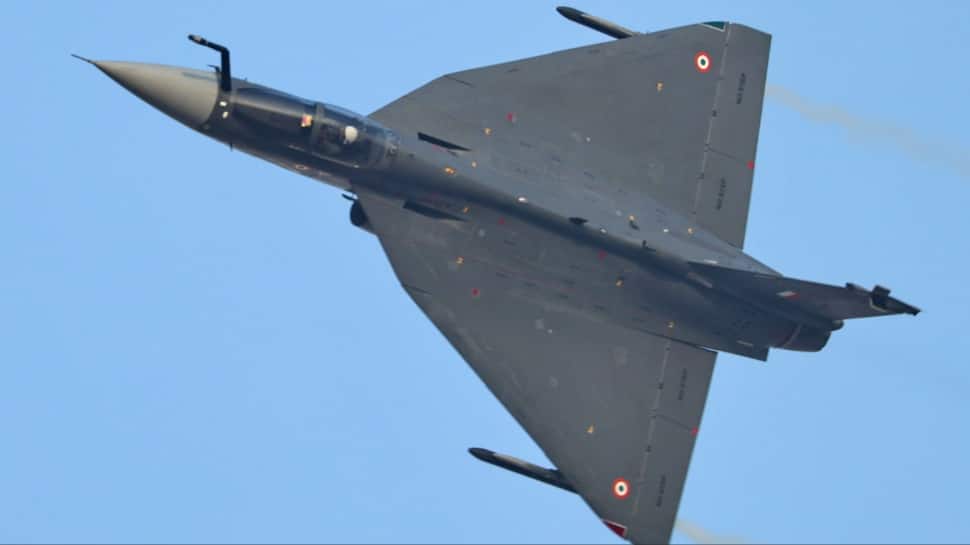
From trash to Tejas: How your retired gadgets could become the backbone of Indian aviation
Zee News
Your old smartphone is a geological anomaly. Know how India is turning e-waste black mass into aerospace-grade cobalt and lithium for jet engines and the missing link preventing India’s atomic sovereignty.
The strategic future of Indian aviation and defense may be sitting unused in your bedside drawer. As India pushes for "atomic sovereignty," which means controlling strategic-grade materials at the molecular level, experts say millions of discarded smartphones across the country serve as valuable mines for critical aerospace minerals.
However, a significant challenge remains. While India has the "world’s finest ingredients" hidden in e-waste, it currently lacks the ability to turn them into fighter jets.
The Urban Mine: Smartphones as Geological Anomalies To a scientist, a dead smartphone is a man-made ore deposit. Traditional mining requires crushing tons of rock to extract a few grams of valuable minerals, but e-waste offers a much easier path.
"A typical cobalt mine yields just 1 to 2 kg of cobalt per ton of rock, while a ton of spent battery material can contain 50 to 80 kg," says Syed Gazanfar Abbas Safvi of Lohum. This means e-waste is about 40 times more concentrated than natural ore. Nitin Gupta, CEO of Attero, points out that these secondary sources have not become India's main focus, even though their potential is immense.
Chemical Surgery: Turning ‘Black Mass’ into Aircraft Alloys The process of transforming an old gadget into parts for an aircraft involves complex chemistry. It starts with black mass, a dark powder that contains lithium, cobalt, and nickel. These are essential for making lightweight aircraft frames and heat-resistant engines.
