From Teddy Roosevelt to Reagan to Trump, presidents have warned of power-hungry public-sector unions
Fox News
President Donald Trump canceled federal worker union contracts using national security exemptions, continuing a century-long presidential battle over public-sector unions.
Tevi Troy is a senior fellow at the Ronald Reagan Institute and a former senior White House aide. He is the author of five books on the presidency, including "The Power and the Money: The Epic Clashes Between Commanders in Chief and Titans of Industry."
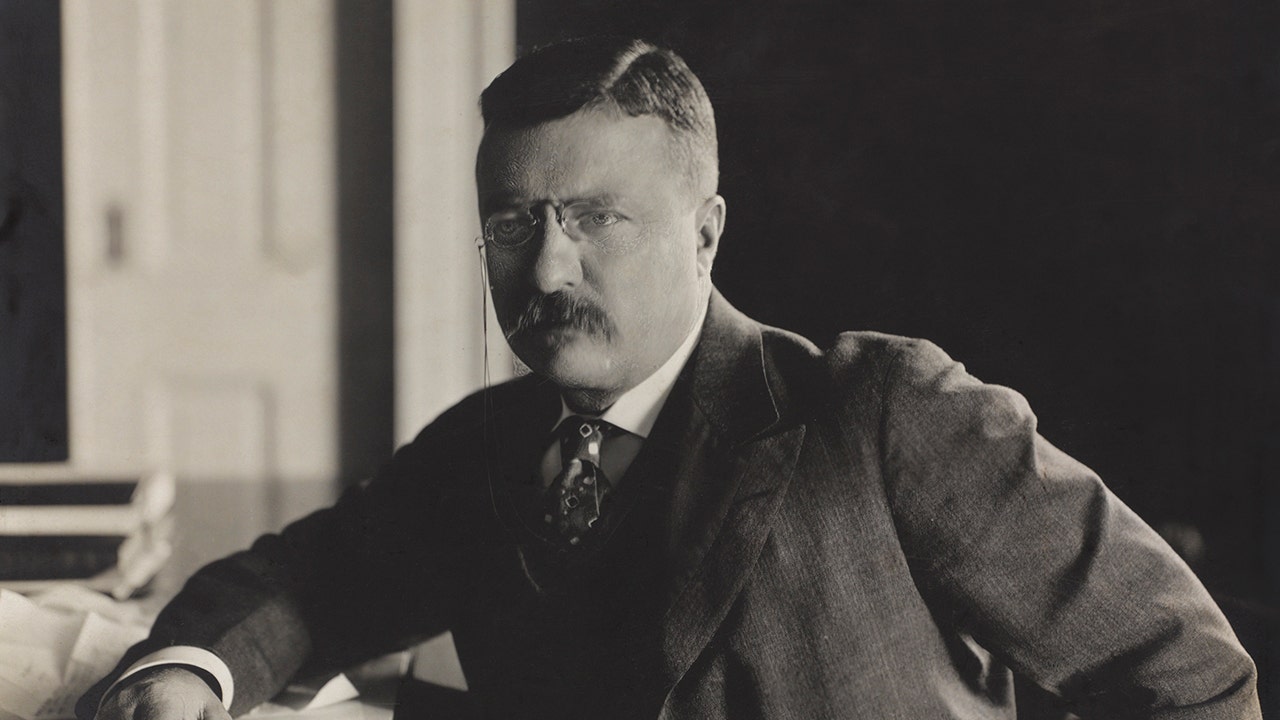
In 1902, President Theodore "Teddy" Roosevelt issued an order barring federal workers and postal employees from lobbying Congress. His successor, William Howard Taft, took a similar action in 1909 with Executive Order 1142, which focused on preventing lobbying by members of the military. Congress overturned these orders in 1912 with the Lloyd-La Follette Act, but the move did not lead to widespread public-sector unionism.
In 1919, Massachusetts Gov. Calvin Coolidge put himself on the political map when he fired striking Boston police officers. When he made this decision, Coolidge famously declared: "There is no right to strike against the public safety, anywhere, anytime." Coolidge’s action was an important factor in Warren Harding choosing Coolidge as his vice presidential nominee in 1920.


Secret Service agents detained a driver of a suspicious vehicle located near the White House in Washington, D.C., on Wednesday morning.

Drone attack strikes U.S. Baghdad Diplomatic Support Center as suspected pro-Iranian militias launch six drones at major American facility in Iraq.

After being detained over his political activism, Mahmoud Khalil warns that punishing lawful speech under the guise of immigration enforcement sets a precedent that could erode constitutional protections for everyone.

Jeremy Carl, President Donald Trump's nominee for assistant secretary of state, withdrew his nomination Tuesday after facing bipartisan criticism over past comments.

Trump should ramp up fulfilling campaign promise of largest deportation effort in American history, targeting close to 20 million illegal aliens.

Former Rep. Bob Good slammed President Donald Trump's endorsement track record, declaring in a post on X, "you would literally do better by using Trump’s endorsement to know who NOT to vote for."

Sen. Tom Cotton, R-Ark., charged that the Biden administration drained strategic oil reserves for political gain, leaving national stockpile at 40-year low amid as the Iran war rages.

Trump administration tackles prescription drug costs and vaccine access, but balances public health with personal choice for American families.

Senate Republicans pass Mardi Gras resolutions while the SAVE America Act stalls. We're in the House Freedom Caucus and we want action on voter ID and citizenship verification measures.

Secretary of State Marco Rubio designated Afghanistan as a state sponsor of wrongful detention and demanded the Taliban release Americans in its custody.

ISIS terror plot suspects Emir Balat and Ibrahim Kayumi allegedly bought fireworks fuse before throwing explosive devices at protesters outside Gracie Mansion, facing federal charges.

The complaint sparked fierce backlash from DOJ officials, who argued that the DC Bar has unfairly targeted Trump's allies while overlooking former Democratic administrations.

Speaker Mike Johnson says President Donald Trump will help turn out Republican voters in the November midterm elections.