For PWD, a tough task of breathing a fresh life into heritage buildings in Tamil Nadu
The Hindu
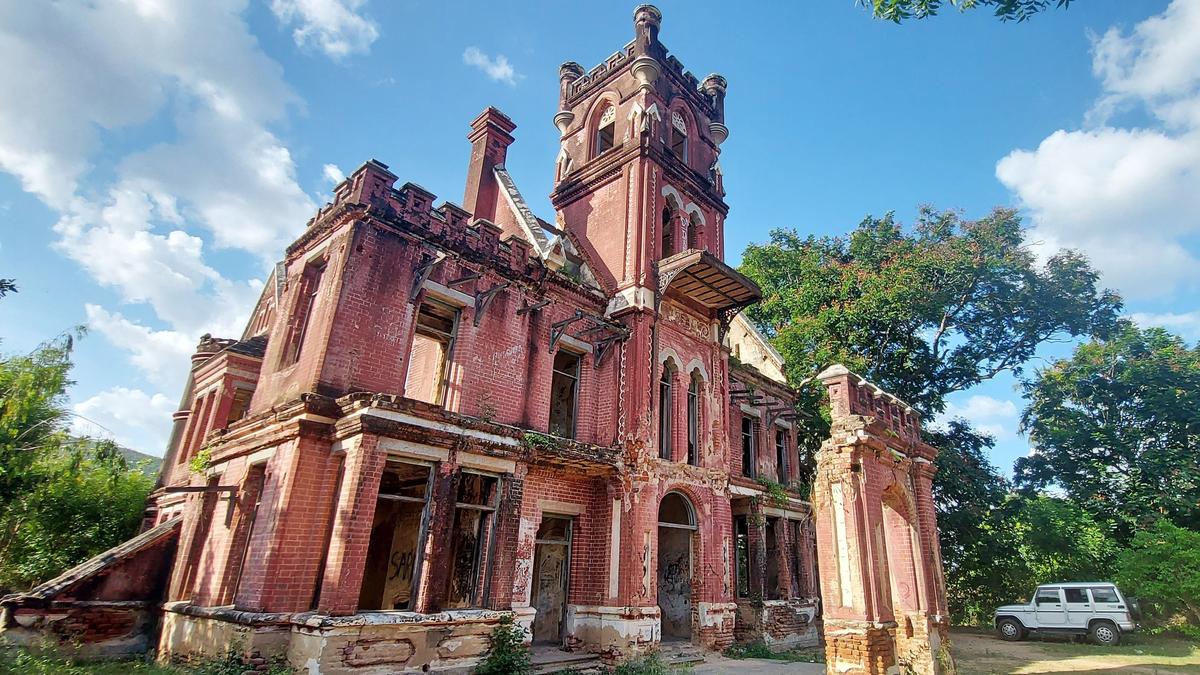
The Public Works Department has taken up the task to breath fresh life into the forest palace at Poosimalai Kuppam in Tiruvannamalai district, and aims at restoring the 173-year-old red brick structure’s original glory
A forest palace with stunning architecture, once a vibrant space pulsating with life, is in ruins at Poosimalai Kuppam in Tiruvannamalai district.
The 173-year-old red brick structure was built after 1850 by the 10 th Arni Jagir Srinivasa Rao Sahib. Originally a two-storey building, it is now crumbling. The second floor has nothing left other than the remains of pillars. The roof has collapsed. The Public Works Department has taken up the herculean task of restoring the edifice to its original glory at a cost of ₹11.54 crore. The work would be carried out by its Building Centre and Conservation Division (BCCD), created in 2016 for heritage conservation and restoration. The BCCD has been raising dilapidated historic structures from the rubble since then. Tamil Nadu is perhaps among the few States with a dedicated heritage restoration wing, executing projects on a large scale. Earlier, the Hindu Religious and Charitable Endowments Department and the Archaeological Survey of India implemented these projects.
The team of PWD heritage engineers is on the lookout for the old photograph documentation of the Poosimalai Kuppam palace, spread over 14,210 square feet, to begin the restoration. A peek into the palace’s history reveals it was known by many names. William Pogson, the British architect who constructed it, had called it ‘shooting box’ as British friends of the Jagir stayed there and hunted foxes and hogs.
Officials noted that it was also known as a French castle since it was rumoured that the Jagir had built it for a French woman. ‘KannadiMaaligai’ (a mirror palace) was another name. Ironically, no doors or windows are found in the abandoned structure. It was in use as a school and shelter for Sri Lankan refugees till the 1990s.
Collating information on such iconic buildings with a hidden history, their building techniques and drawings and finding the right materials and skilled masons who could rebuild them are part of the team’s tasks. The seeds of conservation and an exclusive heritage wing in the PWD were sown after a crisis — a major fire in early 2012 that ravaged much of what remained of the 255-year-old Kalas Mahal, once part of the Chepauk Palace in Chennai. The PWD had at that time faced criticism about its heritage design capabilities.
In the past few years, concerted efforts have gone into building the wing brick by brick. The PWD had roped in conservation architects, contractors and masons skilled in heritage work.
The restoration of Humayun Mahal, the first project of the BCCD, had incorporated the techniques of 82-year-old heritage conservation specialist late S. Paramasivam. He was involved in the conservation of several heritage buildings, including the Madras High Court and the Senate House of the University of Madras.


"Dhurandhar: The Revenge" exemplifies how films propagate a violent nationalism, reshaping Indian identity and undermining democratic values.

BJP’s junior ally in Assam, AGP, gets the same number of seats to contest as last time, but a granular analysis reveals slipping ground

Parliament Budget Session LIVE: Follow The Hindu for the latest updates on the Budget Session on March 24, 2026.

At Amar Khamar in Kolkata, a lunchroom rooted in Bengal’s landscape and literature works with women farmers, Sundarbans’ communities and beekeepers to revive rare rice, heirloom ingredients and disappearing food traditions

Delhi experiences a cooler morning at 16.6°C, with daytime temperatures expected to exceed 30°C and moderate air quality.

Know all about Assam's political landscape ahead of the 2026 Assembly Elections, analysing voting trends, turnout, and party dynamics.

Members of LGBTQIA+ communities held protests across Karnataka, categorically opposing the recently proposed Transgender Persons (Protection of Rights) Amendment Bill, 2026.

Congress criticises Modi government, citing reports about Pakistan's diplomatic role amid U.S.-Iran tensions, labelling it a setback for India.

Folk music with the Barmer Boys that crosses all boundaries

Tamil comic blockbuster Thaai Kizhavi releases on JioHotstar this week, as actress Radikaa Sarathkumar rewrites rules on pay, age, and women in Tamil films

"The jury has difficulty coming to a consensus regarding one defendant, do you have any advice on how to move forward?" the jurors told Judge Carolyn Kuhl

Maharashtra relocates 25 leopards to Gujarat's Vantara facility amid rising leopard and tiger populations, says Forest Minister Naik.

Assembly polls 2026: Follow updates from The Hindu on the upcoming elections in five States on March 24, 2026