EU seeks to cut Russia dependence; Hungary, Slovakia have other plans Premium
The Hindu
Hungary and Slovakia remain heavily reliant on Russian oil, with reports arguing this dependence is a political choice rather than a necessity; as EU reduces Russian gas, oil imports, the stand-off shows the political and economic hurdles complicating the bloc’s roadmap to energy independence
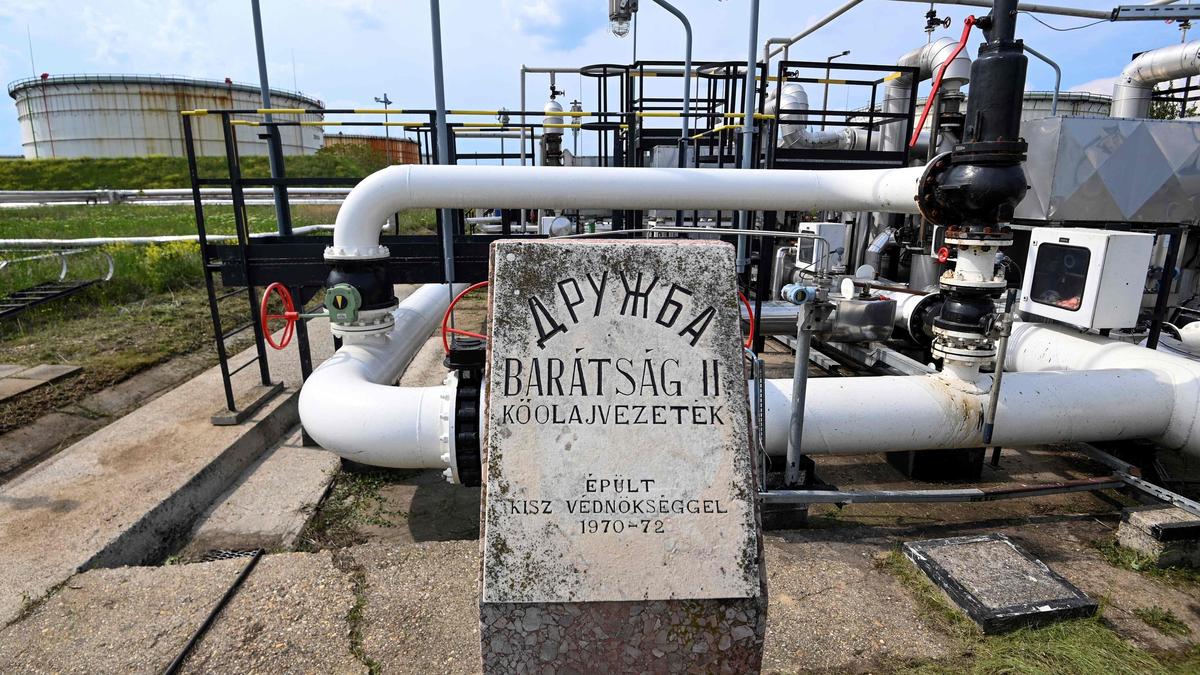
Ukraine is, again, under pressure from two neighbouring EU members — Hungary and Slovakia. While Hungary has threatened to block a €90-billion EU loan for the war-torn country, Slovakia has warned it would halt emergency electricity supplies. At the core of both tensions lies the Druzhba pipeline, one of the longest pipelines connecting Russia to various parts of Eastern and Central Europe.
The flows from the Druzhba pipeline were halted last month, with Ukraine reasoning that a Russian drone attack had damaged the infrastructure. However, Hungary and Slovakia allege that Ukraine is deliberately delaying the pipeline’s resumption for political reasons.
But why are Hungary and Slovakia still heavily reliant on Russian oil via the Druzhba pipeline, especially when the EU has been trying to reduce its dependence on Russia?
Russia’s invasion of Ukraine and the energy crisis that followed in Europe revealed the bloc’s high levels of dependence on Russian fuels. In the Versailles Declaration of March 2022, EU leaders agreed to phase out dependence on Russian gas, oil and coal. They agreed to the REPowerEU plan to implement a variety of measures, including boosting renewable investments, reducing demand for gas and finding alternative sources.
In the following months, however, exceptional temporary derogations (exemptions) were provided to Hungary, Slovakia, Czechia and Bulgaria, allowing them to import Russian oil. This was supposed to give landlocked states like Hungary and Slovakia additional time to reduce reliance on Russian energy.
Almost four years later, Hungary and Slovakia remain the only EU countries that are heavily reliant on Russian oil. But this reliance stems more from political and economic reasons.


Saudi Arabia expels Iranian military staff amid escalating tensions and ongoing missile attacks during the U.S.-Israeli war on Iran.

Russia claims control of Potapivka village in Ukraine's Sumy region amid ongoing military efforts to establish a buffer zone.

Iranian missile strikes on Israeli towns cause widespread damage and injuries, marking a significant escalation in the ongoing conflict.

As Gor makes first trip as U.S. Special envoy to South Asia, Delhi watches strategic signals closely
Sergio Gor's inaugural trip as U.S. Special Envoy to South Asia signals strategic U.S. engagement amid regional tensions.

Slovenians vote in a tight election between liberal and populist candidates, impacting the country's future domestic and foreign policies.

Netanyahu asserts U.S.-Israel alliance fights Iranian threats, emphasizing global security after missile strikes on Israeli and European targets.

Israeli settlers attack Palestinian villages in the West Bank, causing injuries and destruction amid ongoing settlement expansion.

Britain asserts no evidence of Iran planning missile strikes on Europe, despite Israeli claims of missile capabilities.

UNESCO reports over half of countries have banned phones in schools due to concerns about attention, cyberbullying, and social media impact.

Analysis reveals a U.S.-operated Patriot missile likely caused a pre-dawn explosion in Bahrain, injuring numerous civilians.

Sri Lanka raises fuel prices by 25% amid ongoing West Asia conflict, impacting petrol and diesel costs significantly.

Iran strikes near Israeli nuclear research center as Trump threatens attacks on Iranian power plants
Iran's missile strikes near Israel's nuclear site escalate tensions as Trump threatens retaliation against Iranian power plants.

Saudi Arabia intercepts one of three ballistic missiles targeting Riyadh amid ongoing regional tensions and threats from Iran.