Echolocation: What goes around comes around Premium
The Hindu
Bats, dolphins, submarines: all use echolocation to sense their surroundings. By emitting sound waves, they can detect objects and navigate in the dark. Humans have harnessed this technique to create sonar and radar. Smartphone apps also use echolocation to help visually impaired people navigate.
What do bats, dolphins, and submarines have in common? They use the same technique to get a sense of their surroundings: echolocation. Here, an animal or a device emits sound waves, and listens for their reflections by objects in their surroundings. Based on what the reflected waves, or echoes, sound like, the animal or device understands its environment.
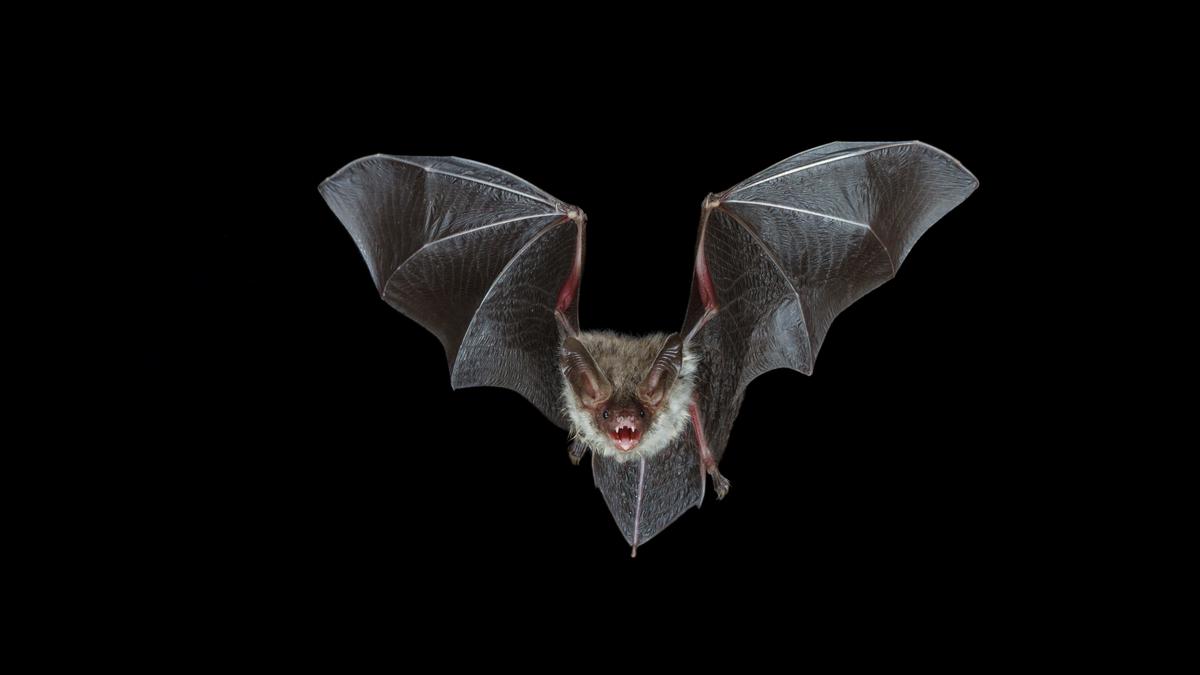
Animals that use echolocation emit high-frequency sound pulses, often beyond the range of human hearing. Bats, which have poor eyesight, use this ability to hunt and navigate in the dark while dolphins use it to locate objects and communicate underwater. Whales and some birds, such as the tawny oilbirds, swiftlets and the tenrec (from Madagascar), also use echolocation.
Humans have harnessed the principles of this ingenious technique to create devices like sonar and radar. Sonar’ is an acronym of ‘sound navigation and ranging’. It is widely used for underwater navigation, communications, and even as a method to find fish. Radar – an acronym of ‘radio detection and ranging’ – is used in aviation, weather forecasting, and military applications, to detect and track objects by bouncing radio waves off them.
More recently, engineers have used echolocation to develop smartphone apps that can create a map of a room to help people with visual impairments navigate their environs better.


Discover the Minor Planet Centre, the key hub for tracking and verifying observations of small solar system bodies.

Discover the Minor Planet Centre, the key hub for tracking and verifying observations of small solar system bodies.

In this week's Science for All newsletter, XX explains

Test your knowledge with the quiz on Science films at the Oscars through history

Set between the Siwalik hills and the plains, Butwal offers travellers a mix of regional cuisine, pilgrimage trails to Lumbini and the comfort of Hyatt’s new hospitality landmark

Explore 2026's wallpaper trends in India, highlighting botanicals and handmade designs that enhance modern homes with nature-inspired aesthetics.

Mercedes-Benz CLA 250+ with EQ Technology review: design, performance, range and features explained. Discover how the new electric CLA combines advanced AI, long range, fast charging and futuristic styling for the next generation of luxury EVs.

AI tool for sparrow conservation

BTS’s comeback with ‘Arirang’ marks a major global music event. When does the album release, and where can you watch their concert live stream? We have all the details

The 2026 U.S. cholesterol guidelines urge starting screening and treatment at 30 to prevent cardiovascular disease effectively.

Olam Festival 2026 in Thiruvananthapuram returns March 27-29 with 120+ vendors, music, art, and cultural zones.

A few storytellers in Thiruvananthapuram share their journeys, challenges, and evolving methods on World Storytelling Day, inspiring young minds.

76-year-old Kurian Jacob from Kerala triumphs with seven medals, including five golds, at the Open Masters Games in Abu Dhabi.