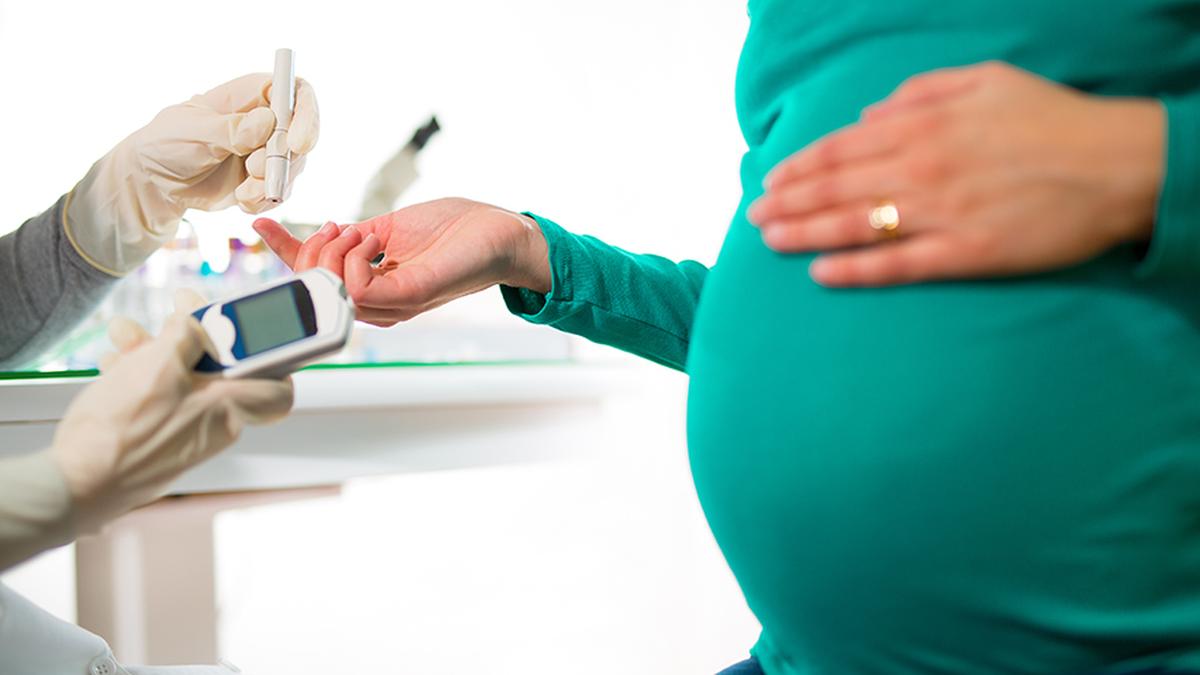
Early screening for gestational diabetes can ensure healthy and happy future for mother and child Premium
The Hindu
Prevent diabetes in the womb for a healthy future - insights from leading diabetologists on early intervention strategies.
This World Health Day (April 7) the World Health Organization (WHO) in its wisdom, has chosen an apt theme: Healthy Beginnings, Hopeful Futures. As diabetologists, we have, for decades, been propounding the theory of primordial prevention, or preventing diabetes in the womb itself, in order to ensure a happy and healthy future for both the mother and the baby. We see the WHO’s choice of theme for this World Health Day as a vindication of the work and advocacy campaigns we have undertaken towards this goal.
Diabetes has long been a silent epidemic, affecting millions worldwide, but its roots often lie much earlier than commonly recognised. Gestational diabetes mellitus (GDM) is a high risk for type 2 diabetes in mothers and metabolic disorders in children. GDM is usually diagnosed between 24 to 28 weeks of pregnancy. However, current evidence also points to the ability to prevent its onset during the first trimester or even earlier, and its impacts on both the mother and the child are profound and lasting.
Research in the growing body underlines that maternal glucose levels should be carefully regulated as early as the eighth week of pregnancy. An early intervention that would help prevent foetal hyperinsulinemia, a metabolic disturbance that occurs in the 11th week, might avoid this and reduce the risk of the child developing diabetes and other non-communicable diseases (NCDs) later in life. Given India’s recent burgeoning diabetes burden, this matter needs immediate attention from the medical community and policymakers.
Existing GDM management is based on screening in the second trimester and commencing treatment. Nevertheless, it may be too late. Maternal hyperglycemia in the first trimester appears to program the child’s foetal metabolism, increasing the risk that the child will be obese and insulin-resistant or develop diabetes later in life.
Leading endocrinologists concur that glucose intolerance should be screened much earlier—at about the eighth week of pregnancy. Reasonable justification exists because, by the 24-week time point in GDM, the foetus has been exposed to excessive glucose for months. This results inexcessive foetal insulin production, which can lead to lifelong metabolic disorders.
The “Foetal Origin of Adult Diseases” (Barker’s Hypothesis) suggests that conditions during gestation will affect the child’s health over the long term. Early in development, if a foetus is exposed to high blood glucose levels, the programming will be to store more fat, resist insulin, and form metabolic disorders later in life. As a result, researchers have called for a rethink of prenatal care, with glucose control as a primary concern right from the start of pregnancy.
Our aim is not only to deal with diabetes in pregnancy but to prevent it before it starts, as stated earlier, through a policy called primordial prevention. The goal of primordial prevention is to prevent diabetes from ever developing in the first place and decrease risk factors before they occur.


India pledges 60% non-fossil fuel power by 2035, targeting 47% emissions reduction per GDP unit and enhanced carbon sinks.

Supreme Court rules land acquisition compensation and interest must uphold constitutional guarantees, unaffected by financial burdens.

Election officials accept 23 nominations for Bagalkot bypolls, rejecting three, with polling scheduled for April 9.

Students and women’s self-help groups in Madurai engage in vibrant voter awareness campaigns promoting 100% voting participation.

Congress signals a "friendly fight" with allies in select Puducherry Assembly seats ahead of the April 9 elections.

Airstrike in western Anbar kills 7 Iraqi soldiers, injures 13, prompting condemnation for violating international laws on medical facilities.

Plaque unveiled in Bengaluru honors 11 victims of RCB stampede, emphasizing safety responsibility for future events.

India and the U.S. reaffirm commitment to enhance strategic defense cooperation at the 18th Defence Policy Group meeting in New Delhi.

Chhattisgarh's Deputy CM reports only 30-40 Maoists remain in Bastar, highlighting recent surrenders and future development plans.

Explore the historical and industrial significance of Ariyalur constituency, highlighting its challenges, agriculture, and political landscape.

Dindigul and Madurai Collectors conduct joint inspection

In this episode, Kalki Subramaniam speaks to us about why the Transgender Persons Amendment Bill has sparked protests, and how these amendments threaten to push a marginalised community back into the shadows.

India's EU FTA is poised to attract more German companies, boosting bilateral trade and investment opportunities.