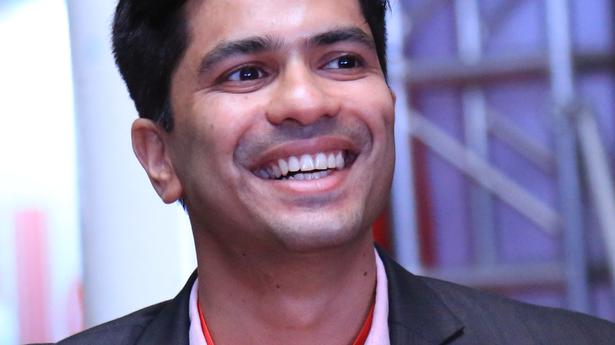
Duroflex targets ₹2,000-cr. turnover by FY25: CMD Chandy
The Hindu
While the industry grew by 11% last year, Duroflex posted 60% growth
Duroflex Pvt. Ltd. plans to achieve a turnover of ₹2,000 crore by FY25, according to Mathew Chandy, chief managing director.
“We were able to double our turnover to ₹1,000 crore during FY22, that too, during the pandemic period and a year ahead of schedule,” he told The Hindu.
“Our next goal is to achieve ₹2,000 crore turnover by FY25. We have already drawn a road map. This we will achieve through good growth, good profit, increasing footprint and digital initiatives,” he said.
While the industry grew by 11% last year, Duroflex posted 60% growth and is confident of ending FY23 with a CAGR of 30% to post ₹1,300 crore in turnover despite facing headwinds in the form of inflation, chip shortage and geopolitical situation. The company officials are working on the ways to mitigate them.
He also pointed out that Duroflex used the pandemic period effectively by setting up a new factory in Indore to cater to the growing needs of Northern and Central India and also established a furniture unit in Hosur and sleep accessories units in Hosur, Indore and Hyderabad. With this, Duroflex has eight facilities in the country to make mattresses, pillows and accessories, bed linen and furniture.
In the last two years, ₹100 crore has been invested to double the production capacity of the foam and mattress unit at Indore.
“We are no longer a Southern company, as more than 30% of revenue comes from other States. We also roped in Bollywood actress Alia Bhatt as national brand ambassador and that also boosted our sales,” he said.


Oil companies reassure the public of no fuel shortage, urging against panic buying and reliance on verified information.

GameStop reported a 14% drop in fourth-quarter revenue on Tuesday, a sign that its struggling brick-and-mortar business continues to face immense pressure

Epic Games said Tuesday it is laying off 1,000 employees to save money as it grapples with industry-wide and company-specific challenges.

Indian stock markets rise 2% as investor optimism returns amid easing crude prices and improved geopolitical clarity.

Gold and silver prices rebounded on March 25, but remain under pressure amid high volatility and global uncertainties.

Gaining the approval of local communities has become paramount to building data centres in the U.S., Microsoft President Brad Smith said

OpenAI on Tuesday announced key leadership appointments for its nonprofit arm and committed to investing at least $1 billion through the division

EU antitrust chief Teresa Ribera, who has voiced concerns about Big Tech extending its dominance into artificial intelligence, will meet the CEOs of Alphabet, Meta Platforms and OpenAI

OpenAI is close to securing about $10 billion in fresh funding from investors, boosting its valuation to $850 billion, including the money raised, a person familiar with the matter said, confirming an earlier report in Bloomberg News

Discover the key changes in the New Income Tax Rules 2026, simplifying compliance and enhancing deductions for taxpayers.

Palantir, which won a contract to supply AI systems to Britain’s Financial Conduct Authority, will not have access to regulatory intelligence, an FCA official said

Arm Holdings announced a new artificial intelligence data centre chip on Tuesday which it said will add billions of dollars of revenue

Amazon said on Monday its Amazon Web Services region in Bahrain has been “disrupted” amid the current conflict in the Middle East