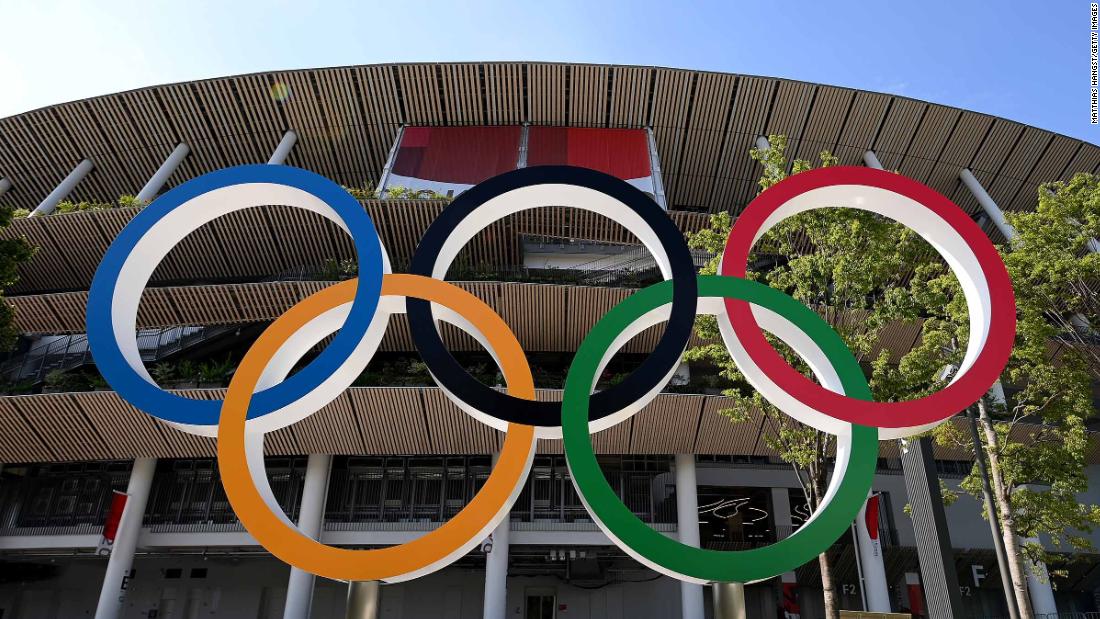
Dr. Sanjay Gupta: The Olympics' pandemic playbook is put to the test
CNN
When I first told my medical colleagues that I would be traveling 14 hours to Tokyo, they looked at me with a bit of surprise, then hesitantly told me simply to "be safe." It is the same reaction I have often received when jetting off to cover a natural disaster, like the earthquake in Haiti, or a conflict, like the wars in Iraq and Afghanistan. This time, however, the mission was to report on how people from all over the globe would converge for the Olympic games in a city under a state of emergency due to the pandemic.
My flight to Japan was nearly empty, just as they often are with my trips into hot zones. Given there were few or no spectators allowed for these games, there were no fans on the plane wearing country colors, speaking excitedly in different languages or exchanging their picks on favored athletes. It was quiet, serene and lonely. My days prior to departure were filled with detailed planning and lots of testing: a Covid test within 96 hours of departure, and again within 72 hours of departure. Another one immediately upon arrival, and again daily for the duration of my stay. Each time, the possibility of a breakthrough infection lurking in the back of my mind, forcing me into isolation and my team into quarantine for an extended and unplanned stay.

The Justice Department released thousands of files related to sex offender and accused sex-trafficker Jeffrey Epstein in a much-anticipated document dump Friday.

Texas judge orders Attorney General Ken Paxton’s divorce records unsealed amid heated Senate primary
Court documents detailing the divorce of Republican U.S. Senate candidate and Texas Attorney General Ken Paxton and his wife, state Sen. Angela Paxton, were released Friday by order of a judge, months after she filed citing “biblical grounds.”

An oil and chemical tanker sanctioned by the United States has entered Venezuelan waters, ship tracking data showed, despite US President Donald Trump declaring a “total and complete blockade” of such vessels transiting the country.

The Justice Department’s partial release of its files related to Jeffrey Epstein on Friday marked a moment of triumph for Epstein survivor Maria Farmer and her sister Annie, who have said for years that Maria had filed one of the first complaints against Epstein in the 1990s.

‘Twas the week before Christmas in a Montreal store, when Santa stole groceries, then walked out the door.

The US struck multiple targets in Syria on Friday that the US military tied to ISIS as retaliation for the recent attack against American troops there that killed two service members, according to two US officials.

CNN is tracking delays and cancellations for flights traveling to, from or within the US using data from FlightAware. Data updates every 15 minutes.

Republican Rep. Elise Stefanik announced Friday she was ending her short-lived bid for governor of New York and would not run for another term in Congress.

In his latest effort to lower drug costs, President Donald Trump unveiled Friday “Most Favored Nation” pricing deals with nine more pharmaceutical companies.

At least seven Colombian soldiers were killed and 30 wounded Thursday when a guerrilla group attacked an Army base with drones and explosives, the military said.

The Supreme Court on Friday sided against the Trump administration, keeping alive a federal lawsuit from immigration judges who are attempting to challenge a policy that limits their ability to speak publicly.

The Department of Homeland Security announced its intention to pause a visa program intended to admit certain individuals to the United States, though it’s unclear whether it’s been suspended entirely.

New signage is being installed at Washington, DC’s performing arts center on Friday to include President Donald Trump’s name.