DPDP Bill will boost India’s digital economy: Nasscom
The Hindu
Ensuring comprehensive data protection is paramount for accelerating India’s digital economy and the Digital Personal Data Protection Bill strikes a harmonious balance between flexibility and data privacy measures, said industry apex body Nasscom.
Ensuring comprehensive data protection is paramount for accelerating India’s digital economy and the Digital Personal Data Protection Bill strikes a harmonious balance between flexibility and data privacy measures, said industry apex body Nasscom.
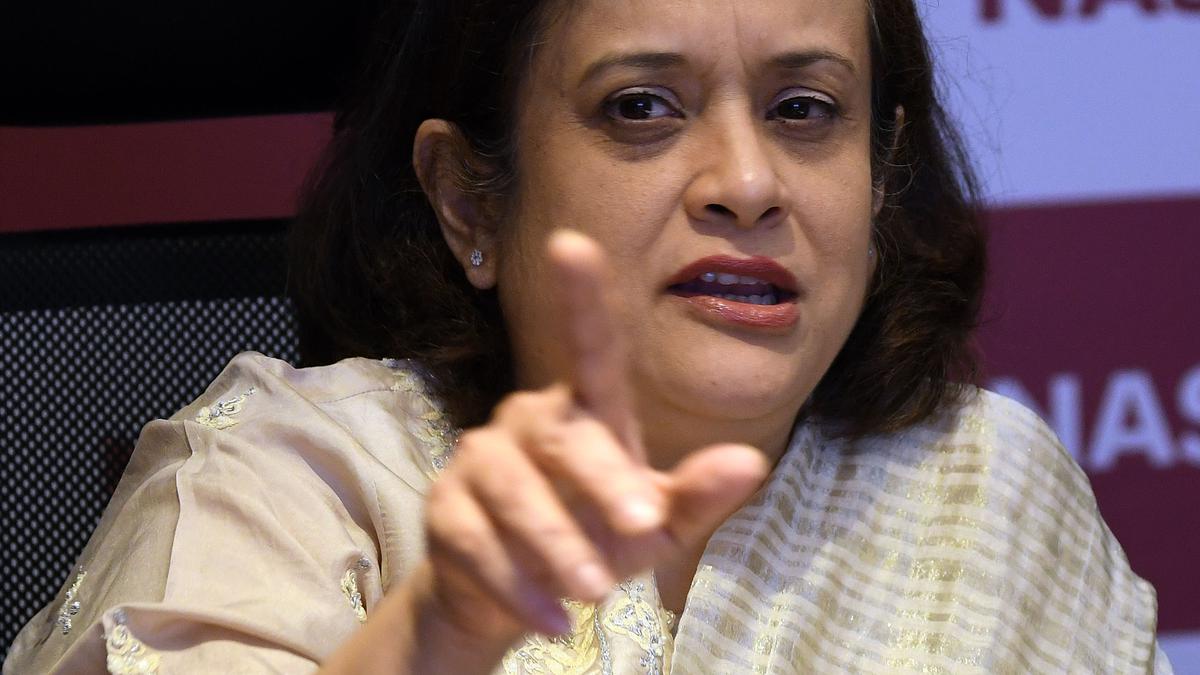
It was a tech-agnostic Bill and expected to cater to the dynamic digital ecosystem and help stimulate India’s digital thought leadership globally, said Debjani Ghosh, President, Nasscom on Friday.
“This is a giant step forward towards establishing India as a Trusted Innovation Partner for the world. This marks a significant leap forward for India to establish a robust framework for personal data protection and build India as a trusted data destination,’‘ she added.
The Union Cabinet’s approval of the Digital Personal Data Protection Bill was a significant milestone that would bolster trust and solidify India’s position as a global leading innovation hub, she further said. “This bill holds immense importance in today’s digital landscape, where data is integral to every industry and nation.”
According to Ms. Ghosh, this Bill has been a key ask from the technology industry and Nasscom has been working collaboratively with the government from the start to share insights and analysis on global regulations and provided detailed submissions right through the evolution of this regulation.


Union Minister Ashwini Vaishnaw launches three initiatives to enhance India's creative economy through AI training, citizen platforms, and advanced tech access.

Two Indian-flagged LPG tankers approach the Strait of Hormuz, navigating safely amidst regional tensions to reach Indian ports.

Gold and silver prices plummet over 7% due to West Asia tensions, inflation fears, and a stronger dollar.

Asian shares fall as rising oil prices and escalating Iran conflict diminish hopes for U.S. interest rate cuts.

Japan's SoftBank Group said Saturday it plans to build a huge new gas-fired power plant in the US state of Ohio

Silver prices plunge 9% to ₹2.06 lakh per kg in futures trade amid weak global cues and rising macroeconomic pressures.

OpenAI plans to nearly double its workforce to 8,000 from 4,500 by the end of 2026, the Financial Times reported on Saturday, citing two people with knowledge

Global equity markets plummet as West Asia tensions rise and oil prices surge, triggering significant investor anxiety.

The rupee hits a record low of 93.94 against the dollar amid foreign fund outflows and a crashing equity market.

The Thane police have arrested two co-founders of cryptocurrency exchange platform CoinDCX in connection with an alleged fraud of Rs 71.6 lakh, officials said

Meta Chief Executive Mark Zuckerberg is building a CEO agent to help him do his job, the Wall Street Journal reported

Insurance penetration and density are often misunderstood and do not reveal how many families are insured or whether they would be financially secure if the main earning member were to die. The real issue is not reach but adequacy, as households may have life insurance but not enough cover to replace lost income, leaving them financially vulnerable.

Five top firms lose ₹1 lakh crore in market value, with HDFC Bank experiencing the largest decline of ₹56,124.48 crore.