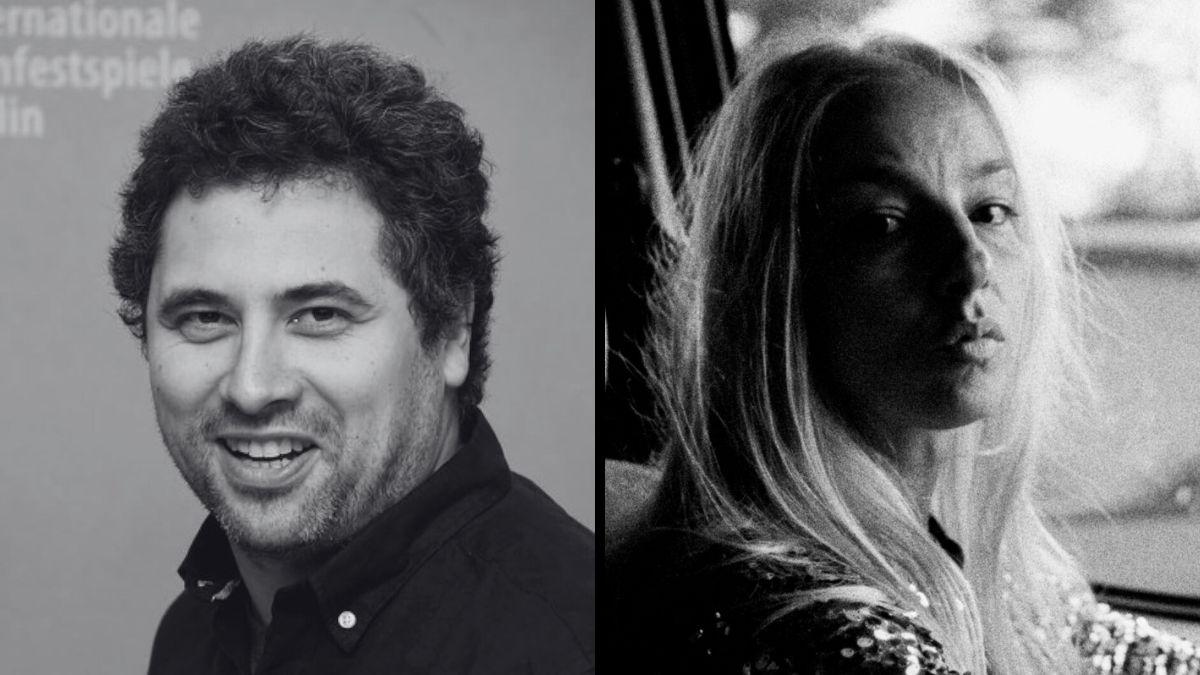
‘Do Not Expect Too Much From The End of the World’ interview: Director Radu Jude and actor Ilinca Manolache on misogyny, satire and the modern image
The Hindu
Romanian director Radu Jude and actor Ilinca Manolache talk us through Romania’s submission at the 96th Academy Awards, ‘Do Not Expect Too Much From The End of the World’ and the idea behind the iconic “Bobita”
At 46, Romanian writer and director, Radu Jude, stands as a rebel with a cause. Having won the Golden Bear at Berlinale 2021, the Bad Luck Banging or Loony Porn director carved a niche for himself with a cinematic repertoire marked by audacity and unflinching social critique. His latest tour de force, Do Not Expect Too Much from the End of the World, is a testament to his prowess as a storyteller and provocateur.
Central to Jude’s latest masterpiece is Romanian actor Ilinca Manolache as Angela Răducanu, the lead character who embodies both the mundane and the extraordinary in her quest for meaning amidst the chaos of modern existence. Manolache infuses Angela with a cocktail of vulnerability and verve, serving up a performance that’s just as revolting as it is hilarious.
In Do Not Expect Too Much from the End of the World, Jude doesn’t just break the fourth wall, he pulverises it with a sledgehammer of social commentary. From corporate malpractice to existential angst, he tackles it all with the wit of a stand-up and the insight of a cultural critic.
Excerpts from an exclusive interview
Radu: Well, there is quite a lot, because I started in cinema in these low-considered positions. But I think this didn’t change that much. Or maybe in some places it’s changed for the better, but not by much. But at one point, it was a very, very wild time for the Romanian economy, just a few years after the 1989 revolution, where the Communist dictatorship changed overnight into a market economy, in a very brutal and not “taking care of the workers or of the people” kind of way. Of course, I’m not complaining for myself or for the people working in the film industry who could make a living. But there were a lot of social classes which were basically abandoned by the Romanian state at the time.
And of course, judging what we know about India, I think India has, in many ways, had even worse situations. So yeah, there is a deep personal element in the background of the film. But I want to emphasise that I’m not really interested in making autobiographical films. There are many autobiographical things here, as I said, but I chose them only because I found them important or symbolic for our reality today. I try to be less and less the kind of filmmaker that says, “I want to speak about myself or my problems”.
Ilinca: Well, I think something did change in a major way because we are free to express ourselves. We are not under dictatorship. So this is a big change and an important one. But the relationship of power between men and women didn’t change so much and the over-sexualization of women and the domination of women is widely spread over social media in modern society. So I think there is a change, through which we can denounce this dynamic of power. But the problem still exists and I think that Bobita was conceived through this idea.


Khalid Rahman is reuniting with Malayalam superstar Mammootty after Unda (2019). The Thallumaala director has teamed up with the veteran for Mattancherry Mafia.

Bollywood actor Akshay Kumar paid tribute to the martial arts grandmaster and Hollywood’s action star, Chuck Norris, who passed away on Thursday, March 19, 2026.

Renowned Odissi dancer Madhumita Raut, aged 59, dies of cardiac arrest, leaving behind a legacy of artistic achievements.

Chuck Norris, iconic martial arts master and actor, dies at 86, leaving behind a legendary legacy and internet memes.

South African naturalist Steve Boyes speaks on ghost elephants, ancestral tracking, and Werner Herzog’s documentary exploring Angola’s elusive highland giants

Actor-director Amol Palekar will receive META's Lifetime Achievement award for 2026 on March 25 in New Delhi.

India's artists unite against rising censorship, advocating for creative freedom and support for marginalized voices in the arts.

Written and directed by Kunal, the film also stars Sparsh Shrivastava and Vanshika Dhir

This year, Bharatnatyam artistes will present the Tyagaraja Aradhane as a dance performance

This year, Bharatnatyam artistes will present the Tyagaraja Aradhane as a dance performance

The actor, along with director Sushant Shah, speak about their upcoming series ‘Chiraiya’, Divya’s process of working on the dialect, Sushant’s approach to telling a story about women, and more

An independent video, ‘Feel the Spark’ by Raleigh Rajan with vocals by Ciera Dumas that celebrates Tamil literary giants, garnered 1.4 million views in less than 36 hours.

In ‘Jack Ryan: Ghost War’, John Krasinski is back as the savvy CIA analyst, diving headfirst into a high-stakes mission that unravels a deadly conspiracy and pits him against a rogue black-ops unit