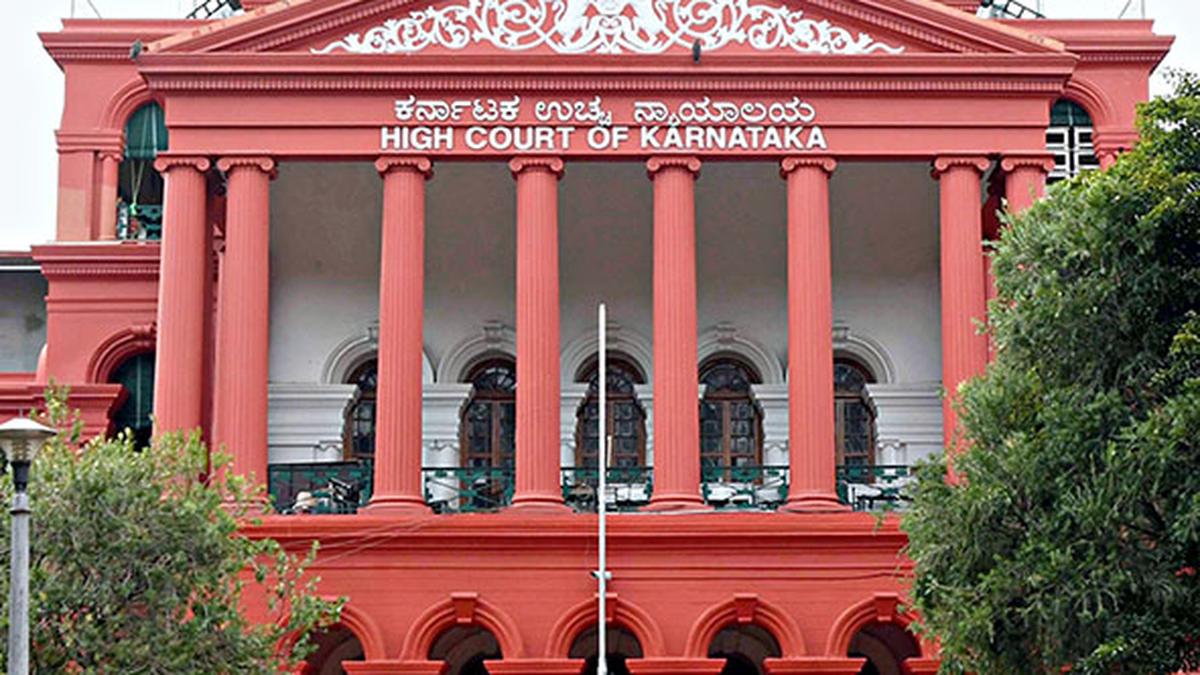
Digital crimes overshadow conventional crimes, says Karnataka High Court, while refusing to quash criminal case against two for allegedly cheating Amazon of ₹70 lakh
The Hindu
High Court of Karnataka refuses to quash criminal proceedings against two accused for duping Amazon India of ₹70 lakh.
Observing that digital crimes have overshadowed conventional crimes, the High Court of Karnataka has refused to quash criminal proceedings against two persons who allegedly duped Amazon India of about ₹70 lakh by returning low-cost electronic products in place of costly products they had purchased and getting a refund.
Justice M. Nagaprasanna passed the order while dismissing a petition filed by Sourish Bose, a resident of Kolkata, and Deepanvitha Ghosh, who was earlier residing in Bengaluru and is now a resident of Kolkata. The criminal proceedings were initiated on a complaint by Amazon Transportation Services Pvt. Ltd.
The city police had filed a chargesheet against them on the allegation that they had purchased 104 products between December 2016 and April 2017 by giving different names and addresses in Bengaluru for delivery of products purchased from Amazon, and also by giving different addresses, some from other cities, for pick up of returned products.
It was alleged that the IP addresses used by Deepanvitha to place the orders were proxy, as many of these were different international locations and some were in West Bengal.
The result of the illegal activities of the accused was that they retained both the costly products purchased from Amazon besides getting the entire amount, paid for purchasing the products, through refund by returning sub-standard products.
It was argued on behalf of the accused that they could not have been chargesheeted for the offence of cheating under sections 415 and 420 (cheating and dishonestly inducing delivery of property) of the Indian Penal Code. The only offence, if at all attracted, was under Section 66D (punishment for cheating by personation by using computer resource) of the Information Technology Act, 2000, which is a non-cognisable offence, unlike Section 420 of the IPC, which is a cognisable offence, it was argued on their behalf.
Rejecting these arguments, the court described their contentions as “preposterous” while pointing out that the case registered against them had all the ingredients to attract sections 415 and 420 of the IPC as they prima facie had dishonest intention throughout their transactions with Amazon.


Bombay High Court criticizes Mumbai civic bodies for failing to ensure construction workers' safety amid hazardous air pollution.

A Bengaluru lecturer was arrested for stealing gold from wedding venues while posing as a guest to gain trust.

Explore India's dual agendas for AI in education, focusing on equity, agency, and building human capability for effective learning outcomes.

The rupee gained 3 paise, closing at 89.65 against the U.S. dollar amid a weaker dollar and rising crude prices.

Puducherry CM Rangasamy announces increased financial assistance for persons with disabilities, benefiting over 21,500 individuals in the region.

Four engineering students were allegedly abducted and robbed after a late-night biryani outing in Hoskote, Bengaluru.

INSV Kaundinya, India's stitched sailing vessel, will embark on its maiden voyage to Oman on December 29, reviving ancient maritime traditions.

Congress accuses Kerala CMO of interfering in Sabarimala gold loss SIT probe through IPS officers, raising concerns over investigation integrity.

Advocates in Shivamogga oppose a High Court judge's participation in an event led by a controversial former minister.

Kauvery Hospital's new app feature allows instant emergency assistance with one tap, enhancing quick access to medical care.

Queensland Supreme Court Rules in Favour of BUMA Australia in Contract Mining Agreement Dispute

BJP's Nitin Nabin leads a grand roadshow in Patna, celebrating his first visit as national working president amidst vibrant festivities.

Piyush Goyal meets AIADMK's Palaniswami in Chennai to initiate seat-sharing talks for the BJP-AIADMK alliance ahead of 2026 polls.