Denying access to restrooms has serious health ramifications for gender non-conforming people Premium
The Hindu
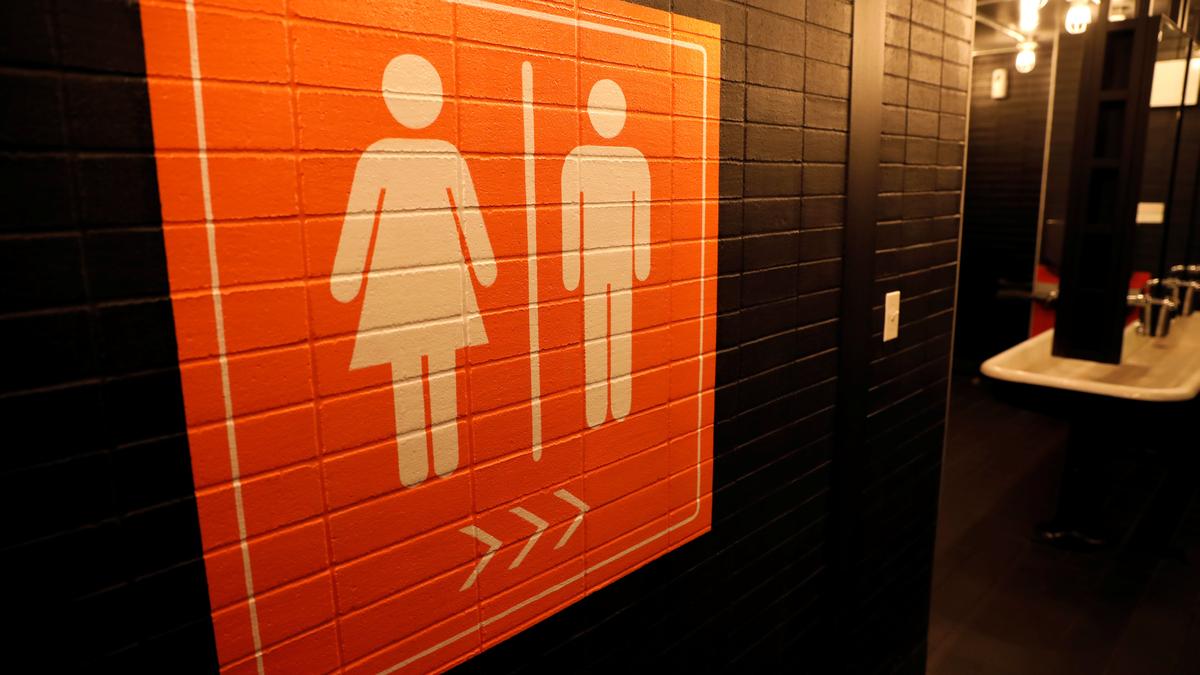
Madras High Court approves gender-neutral toilets after advocate's plea, highlighting the need for inclusive facilities in India.
The Madras High Court recently sanctioned the creation of three gender-neutral toilets on campus, after advocate and transwoman R. Kanmani, wrote to the Chief Justice last November, pointing out the need to have gender-neutral toilets in addition to the existing ones on the court premises.
“I have been working there since April 2023, and usually avoid using the restroom as there are no gender-neutral toilets on campus,” says Kanmani, adding that it has taken a toll on her physical and mental health. “In October this year, I received a letter from the Madras HC, conveying that it had directed the construction of three such toilets on campus.”
This marks another milestone in the LGBTQIA+ fight for equal rights. Right to sanitation is recognised as a human right by the United Nations. However, according to a 2020 World Bank report, only 72% of people in India have access to sanitation. When it comes to gender non-conforming people, the situation is worse as they are denied admittance to gendered restrooms, and face violence while using these facilities.
There are no statistics available about the number of gender non-conforming people in India. As per the 2011 census, there are 4,87,803 transgender people in the country (who identify as other than male or female) but this doesn’t include those who identify within the binary, or those staying with natal families and who may have chosen not to disclose their non-binary trans status out of fear of facing domestic violence.
Many of them are forced to “hold” their stool and urine for hours on end. So, they avoid eating or drinking when they are outside, which naturally, has an impact on their health. Gendered restrooms are also often spaces where they experience violence – verbal, physical or sexual. “A lot of gender non-conforming children have faced violence while using restrooms in schools. They are asked to remove their clothes, forced to display their genitals when they go to bathrooms that correspond to their biological gender,” says L. Ramakrishnan, vice president of the public health NGO, SAATHII, adding that such cases have been documented across India in educational institutions, workplaces, and public spaces
Kanmani was subject to a nightmarish experience, when, as a 23-year-old law student, she stepped into a women’s restroom at the Kashmere Gate metro station in Delhi, to fix her saree. “All the women inside rushed out. I was forced to go to the men’s restroom as the toilet for persons with disabilities was locked. Half the men left but the others using the urinals turned and exposed their genitals to me. I shouted, cried and tried using a stall where I could quickly drape my saree and leave, but they didn’t allow me to do so,” she says. This went on for half an hour, with people throwing slurs and cuss words at her. It lasted until one of the women sanitation workers managed to get the key for the washroom for persons with disability, and took her there. “She was the only one who was kind to me,” says Kanmani.
Fred Rogers, a man of trans experience and a trans rights activist, remembers the horrific experience he had prior to his top surgery at an airport in Goa. “As I was about to enter a women’s toilet, an old man chased me with a stick, shouting that I was about to rape a woman,” says Fred. “In school, I refrained from using gendered restrooms because I was not comfortable using the girls’ restroom and the one for boys was not safe. Gender non-conforming people are abused, stripped, and even forced to do sexual acts in restrooms. People assume that we are not equal citizens, and that attitude contributes to the violence that happens in restrooms.”


181 offenders held in month-long crackdown on harassment

39 enforcement officials in Hyderabad trained to enhance road safety measures in school zones for better child protection.

Hyderabad bucks congestion trend as traffic speeds improve despite a surge in vehicles on its roads.

‘Love Mocktail 3’, the latest installment of the hit Kannada franchise from Darling Krishna-Milana Nagaraj, is winning hearts in Karnataka, weathering the challenge of the action-packed juggernaut ‘Dhurandhar: The Revenge’

VSU professor R. Madhumathi awarded by Venus International Foundation for her exceptional contributions to education and social service.

Utter darkness envelops busy road next to Tirunelveli counting centre during night

In this episode, Stanly Johny speaks to us about Trump’s tactical pause on Iran and whether it signals de-escalation or a shift in strategy.

To qualify for this year’s MADDYS, work must have been first released between 1st April 2025 and 31st March 2026.

Bengaluru police launch a special drive to curb reckless riding after doctors' alcohol-fueled road incident raises concerns.

Five queer activists discuss the repercussions of the Trans Amendment Bill 2026 on dignity and identity within the community.

Former Chief Minister Narayanasamy opts out of Puducherry Assembly elections to maintain alliance harmony amidst seat-sharing talks with DMK.

Dr Prarthana Venkatesh, the founder of nutraceutical brand Longevita, talks about the inspiration behind the brand, why the longevity discourse is now exploding and how modern medicine is tackling aging

Ponmudy seeks Madras High Court's intervention to dismiss BJP councillor's complaint over alleged derogatory speech against religious groups.