Daimler India to be 100% power, water self-reliant by 2025
The Hindu
German truck and bus maker Daimler India Commercial Vehicles (DICV) is working towards achieving 100% self-reliance in energy and water for its manufacturing operations at Oragadam by 2025, said a top official.
German truck and bus maker Daimler India Commercial Vehicles (DICV) is working towards achieving 100% self-reliance in energy and water for its manufacturing operations at Oragadam by 2025, said a top official.
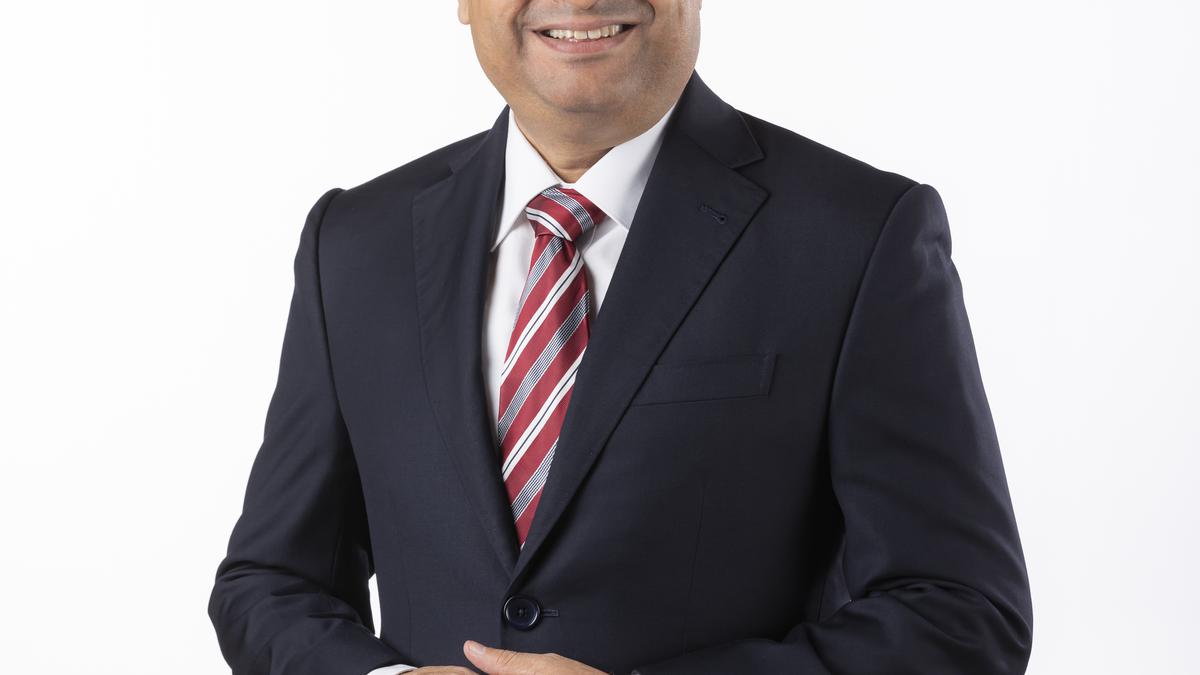
“By 2025, 100% of our energy and water requirement will be met through captive sources,” said its MD & CEO, Satyakam Arya during an interaction.
“We have increased the capacity of our Opex solar plant and it is now equipped to generate 4.6 MW of solar energy against 3.3 MW earlier,” he said.
According to him, currently 85% of Oragadam plant’s power requirements are met through renewable energy sources (40% solar and 45% wind from third party) and this would be enhanced to 90% this year, by taking all seasons into account and then 100% by 2025.
With regard to water management, he said that with the use of innovative water management techniques, DICV is already 100% self-reliant as per Scope 1 of Environmental, Social and Governance (ESG) norms by 2025.
But, the truck maker wants to make an official announcement by sustaining it for two more years after taking into due consideration external factors such as late arrival of monsoon among others.
“We don’t depend on external sources of water or ground water for our manufacturing operations. We store rain water in our lake. It has a storage pond that holds 60,000 kl, while our needs are 18,000 kl,” he said.


Government launches ₹497 crore RELIEF scheme providing credit insurance to exporters affected by the West Asia crisis, focusing on MSMEs.

Crude oil futures rise amid Middle East attacks, pushing Brent above $116 on fears of tightening global supply.

West Asia conflict delays India’s FTA talks with GCC and Israel, while UK and EU agreements proceed as planned in 2024.

Russian Urals oil vessels will reach India on March 21 amid stable fuel prices and diversified LPG imports.

Warner Bros. dominated the Academy Awards, but Paramount’s looming acquisition of the studio signals the biggest restructuring of the industry in decades and a battle over the future of Hollywood itself

HDFC Bank board calls Atanu Chakraborty’s resignation baffling, affirms robust corporate governance and strong market confidence.

RNFI and Jio Payments Bank launch cardless UPI QR cash withdrawals for instant access across urban, semi-urban, and rural India.

RBI approves HDFC Bank's chairman transition plan, affirming the bank's strong financials and competent management.

Markets fall 2% as Israel attacks Iran’s South Pars gas field, pushing Brent crude above $112 and rupee below ₹93.

HDFC Bank shares drop over 4% following chairman’s ethical resignation, raising insider trading and management concerns.

Erran Berger, the Vice President of Product Engineering at LinkedIn, thinks the former type of division of labour is rapidly disappearing

India mandates oil and gas firms to share import and export data to mitigate consumer shortages amid rising global prices.

HDFC Bank's chairman Atanu Chakraborty resigns over ethical concerns; Keki Mistry appointed interim chairman for three months.