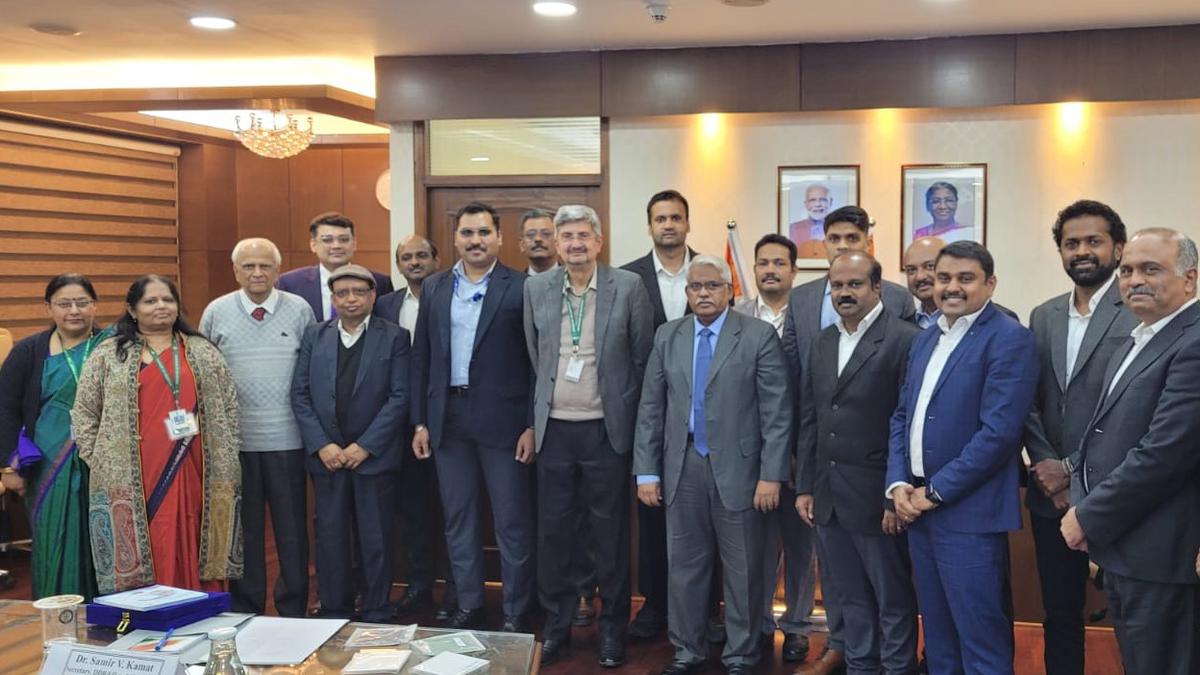
CUMI working closely with DRDO in supporting localisation initiatives
The Hindu
CUMI collaborates with DRDO to supply ceramic materials for bulletproof vests, armoured vehicles, and aircraft engine coatings in India.
Carborundum Universal Ltd. (CUMI), announced that it has been closely working with Defence Research and Development Organisation (DRDO) in supporting their indigenisation initiatives to strengthen Defence capabilities.
CUMI supplies ceramic plates for bulletproof vests and tiles for armoured vehicles. These products are manufactured in India, including the grains needed to make them, said the leading materials science company in a statement.
CUMI’s lightweight ceramic ballistic protection materials (which include reaction-bonded silicon carbide, high purity alumina, and zirconia-toughened alumina), are designed to meet threat levels conforming to the National Institute of Justice ‘Level IV’ and STANAG Level 3 global standards. They are ergonomic and customisable into various sizes and shapes for use in bulletproof vests and armoured vehicles.
Another area CUMI focuses on is to supply fine powders for making ceramic thermal spray coatings. These coatings are required in the manufacture and maintenance of aircraft engines and components to provide protection against heat and wear. CUMI is working with various research organisations under DRDO in the development of this product.
“As a leading company in advanced materials, CUMI is well-positioned to manufacture key cutting-edge components that support indigenous product development in strengthening India’s defence capabilities,” said CUMI Head of Marketing Subbu Venkatachalam.
During the recent high-level meeting in New Delhi, DRDO Chairman Dr. Samir V. Kamat agreed to facilitate necessary technical and advisory support alongside product development to CUMI”, he said.
During last March, CUMI said it partnered with DRDO’s Research Centre Imarat (RCI) Lab to manufacture Ceramic Radomes. Ceramic Radomes are located at the tip of missiles and protect the missiles from high surface temperatures when they cruise through the atmosphere.


Oil companies reassure the public of no fuel shortage, urging against panic buying and reliance on verified information.

GameStop reported a 14% drop in fourth-quarter revenue on Tuesday, a sign that its struggling brick-and-mortar business continues to face immense pressure

Epic Games said Tuesday it is laying off 1,000 employees to save money as it grapples with industry-wide and company-specific challenges.

Indian stock markets rise 2% as investor optimism returns amid easing crude prices and improved geopolitical clarity.

Gold and silver prices rebounded on March 25, but remain under pressure amid high volatility and global uncertainties.

Gaining the approval of local communities has become paramount to building data centres in the U.S., Microsoft President Brad Smith said

OpenAI on Tuesday announced key leadership appointments for its nonprofit arm and committed to investing at least $1 billion through the division

EU antitrust chief Teresa Ribera, who has voiced concerns about Big Tech extending its dominance into artificial intelligence, will meet the CEOs of Alphabet, Meta Platforms and OpenAI

OpenAI is close to securing about $10 billion in fresh funding from investors, boosting its valuation to $850 billion, including the money raised, a person familiar with the matter said, confirming an earlier report in Bloomberg News

Discover the key changes in the New Income Tax Rules 2026, simplifying compliance and enhancing deductions for taxpayers.

Palantir, which won a contract to supply AI systems to Britain’s Financial Conduct Authority, will not have access to regulatory intelligence, an FCA official said

Arm Holdings announced a new artificial intelligence data centre chip on Tuesday which it said will add billions of dollars of revenue

Amazon said on Monday its Amazon Web Services region in Bahrain has been “disrupted” amid the current conflict in the Middle East