COP15: India pushes for new, dedicated fund for biodiversity conservation
The Hindu
India said the developing countries bear most of the burden of implementing the targets for conservation of biodiversity and, therefore, require adequate funds and technology transfer for this purpose
There is an urgent need to create a new and dedicated fund to help developing countries successfully implement a post-2020 global framework to halt and reverse biodiversity loss, India has said at the U.N. biodiversity conference in Canada's Montreal.
It has also said that conservation of biodiversity must also be based on 'Common but Differentiated Responsibilities and Respective Capabilities' (CBDR) as climate change also impacts nature. As the 196 parties to the Convention on Biological Diversity (CBD) finalise negotiations for a post-2020 Global Biodiversity Framework (GBF)—a new set of goals and targets to halt and reverse biodiversity loss—there have been repeated calls for the inclusion of the CBDR principle in finance-related targets.
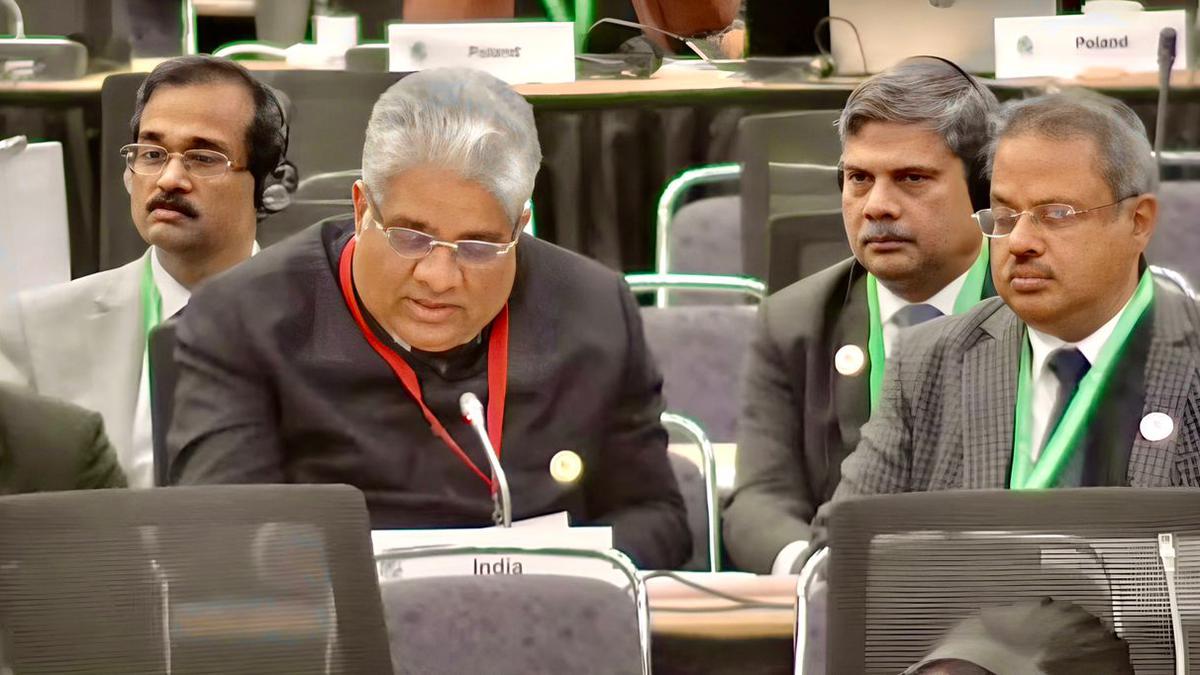
Addressing the stocktaking plenary at CBD COP15, Union Environment Minister Bhupender Yadav said the successful implementation of a post-2020 GBF will depend on the "ways and means we put in place for an equally ambitious 'Resource Mobilisation Mechanism'".
"There is a need to create a new and dedicated mechanism for the provision of financial resources to developing-country parties. Such a fund should be operationalised at the earliest to ensure effective implementation of the post-2020 GBF by all countries," the Minister said.
So far, the Global Environment Facility which caters to multiple conventions, including the UNFCCC and UN Convention to Combat Desertification, remains the only source of funding for biodiversity conservation.
At CBD COP15, developing countries have been demanding a new and dedicated biodiversity fund, saying the existing multilateral sources are not up to the task of meeting the requirements of the GBF. Differences with rich countries on the matter had prompted representatives from developing nations to walk out of crucial financing talks last week. India said the developing countries bear most of the burden of implementing the targets for conservation of biodiversity and, therefore, require adequate funds and technology transfer for this purpose.
"The most important challenge is the resources needed for implementation of the GBF. Greater ambition means greater cost and the burden of this cost falls disproportionately on the countries that can least afford them," Mr. Yadav said.


Horses shone at Auroville's 2026 event, showcasing equestrian talent through dressage, derby, and show jumping competitions.

Telangana Governor Shiv Pratap Shukla attends Bihar Foundation Day celebrations in Hyderabad, honoring Bihar's historical and cultural contributions.

Samsung workers protest for the reinstatement of 27 suspended employees, citing unfulfilled promises from the Labour Minister.

The Vice-Chancellor of Rajiv Gandhi University of Health Sciences (RGUHS) B. C. Bhagavan said on Sunday that the university will soon open a research centre on Yoga and Naturopathy on 60-acre land in Bengaluru.

UT Matters: Construction of Uppar drain road overbridge in Puducherry to be completed in four months, amid traffic regulations.

Union Minister Dharmendra Pradhan highlights Bharat Innovates' aim to elevate Indian deep-tech startups to the global stage.

In an exclusive interview, DMK MLA Ezhilan discusses Tamil Nadu's 2026 elections, party structure, and local governance challenges.

Minister Satish Jarkiholi asserts confidence in retaining Davangere and Bagalkot seats in upcoming bypolls amid addressing internal discontent.

Sunil Ambekar of RSS emphasizes national unity, defending road prayer restrictions and promoting awareness of shared ancestry in India.

Opposition MPs and activists voice strong concerns against proposed amendments to the Transgender Persons Act at a Delhi hearing.

Four Assam police commandos injured in an extremist attack during a gunfight in Tinsukia district, officials report.

Campaigning intensifies in Ernakulam district as candidates engage voters ahead of the crucial Assembly polls.

Lord Rama rides Hanumantha Vahanam on sixth day of Brahmotsavams in Tirupati