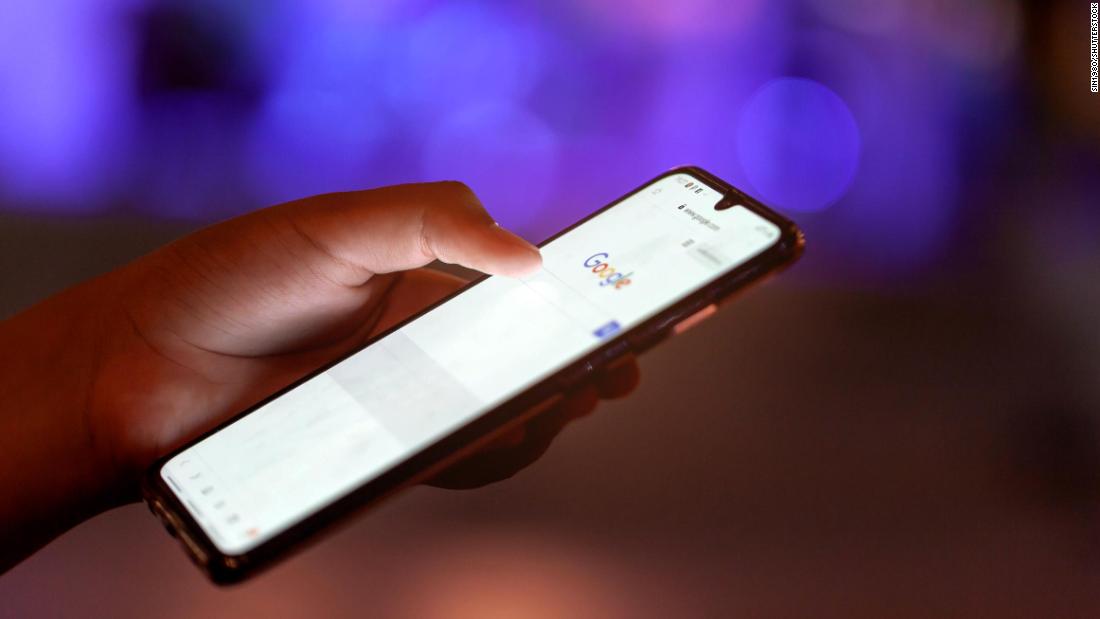
'Cookies' track your every move online. Now there's a fight over what should replace them
CNN
For decades, "cookies" have been tracking you around the web. They're the snippets of code that uniquely identify your browser and allow those shoe ads to follow you from site to site after you visit an online storefront. Soon, their time may be up.
Third-party cookies have increasingly fallen by the wayside as the public has become more protective of privacy rights in an age of algorithms and data. Some major browsers including Firefox and Safari now block third-party cookies by default, further reducing their usefulness to advertisers. And Google has already said it's planning to do the same in its browser, Chrome. But last week Google (GOOGL) went further, announcing it will soon stop tracking individual people's web browsing altogether for advertising purposes when Chrome finally drops third-party cookies.

Evidence is mounting that the wildly popular weight-loss medicines known as GLP-1s may also hold potential for treating addiction, and the field may be on the verge of obtaining desperately needed answers through more study.

Known for her blistering pace and powerful shots, the soccer player is having a Barbie made in her likeness as the toymaker names her as role model of the year.

The Screen Actors Guild Awards are back with a new name — and a thematic dress code.

There’s growing concern that the US Department of Health and Human Services is abandoning the US Preventive Services Task Force – or pushing it into “quiet paralysis.”

An international meeting to determine the status of measles elimination in the United States has been delayed seven months, from its original date in mid-April until sometime in November.

When she was in her 40s Jenny Teeters had a serious secret drinking problem, but, she says, her success hid it exceptionally well for years. At one point she managed a high six-figure tech job, raised two teenage girls, finished her MBA, and taught Zumba in her spare time and somehow she did it all while intoxicated.But she got to a place where she knew she needed help, and like with what a new study found, she found what finally made her sobriety stick was developing a newfound faith in a higher power.

Gucci’s new designer Demna embraces the technology, with uneven results.

Next winter Burberry wants you out on the town, whatever the weather.

The US has recorded more than 1,100 measles cases so far this year, according to data published Friday by the US Centers for Disease Control and Prevention. It’s a troubling milestone that has many in public health bracing for the worst.