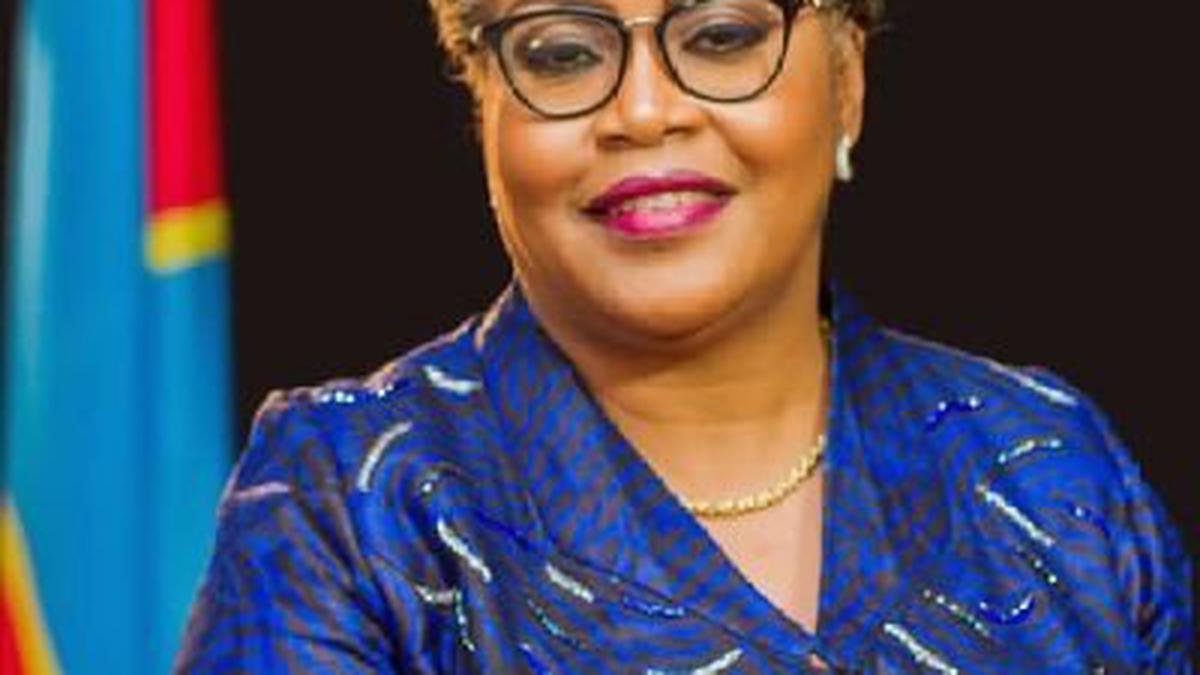
Congo appoints its first female Prime Minister as violence surges in the east
The Hindu
President Tshisekedi appoints Congo's first female Prime Minister amid escalating violence in the east, promising peace and development.
President Felix Tshisekedi of the Democratic Republic of Congo on April 1 appointed the country's first female Prime Minister, fulfilling a campaign promise and making an important step towards the formation of a new government after being reelected late last year.
Former Planning Minister Judith Suminwa Tuluka will step into the role at a time of worsening violence in the country's mineral-rich east, which borders Rwanda. The long-running conflict has displaced more than 7 million people according to the United Nations, making it one of the world's worst humanitarian crises.
Ms. Tuluka promised to work towards peace and development in her first speech following her appointment on state television. Still, it could be months before a new government is formed as the process requires intensive negotiations with the many political parties.
“My thoughts go out to the east and to all corners of the country, which today are facing conflicts with enemies who are sometimes hidden,” she said, referring to the conflict that involves many armed groups including some believed to be backed by Rwanda's military. "I’m thinking of all these people, and my heart goes out to them.”
Far from the nation’s capital, Kinshasa, eastern Congo has long been overrun by more than 120 armed groups seeking a share of the region’s gold and other resources as they carry out mass killings.
Both regional and U.N. peacekeepers have been asked to leave Congo after the government accused them of failing to resolve the conflict. Violence has only continued to worsen as the withdrawal of personnel has begun, and as Congolese authorities have moved into their positions.
Bintou Keita, the top U.N. envoy to Congo, told the U.N. Security Council last week that the prominent rebel group known as M23 had made significant territorial gains in the east, which was contributing to the spike in violence and surging numbers of displaced people.


Donald Trump claims he saved 10 million lives by stopping the India-Pakistan conflict, citing praise from Pakistan's Prime Minister.

U.S. warns airlines of military activities over Mexico and Central America, citing potential navigation hazards, as tensions rise.

Emergency calls reveal chaos in Minneapolis after an ICE shooting, sparking unrest and national debate over immigration enforcement.

Syrian troops prepare to attack Kurdish towns as SDF withdraws, escalating tensions amid stalled negotiations with the Damascus government.

Nepal's Election Commission recognizes the reformist faction of Nepali Congress as legitimate, amid internal disputes before crucial elections.

Trump threatens tariffs on countries opposing U.S. control of Greenland amid ongoing diplomatic tensions with Denmark and Greenland.

Elon Musk's X experiences global outages, affecting tens of thousands with over 62,000 reports of issues, Downdetector reveals.

Iran's protests decline after a deadly crackdown, with 3,000 arrests reported amid heightened tensions and international diplomatic efforts.

Canada cuts tariffs on Chinese EVs for reduced farm product tariffs, aiming to improve relations and global governance with China.

Saudi Arabia's opposition to a U.S. strike on Iran stems from concerns over regional stability, governance, and shifting geopolitical dynamics.

UK condemns violence in Bangladesh, urging for peaceful elections and protection of religious minorities amid rising tensions.

Myanmar defends its military actions against Rohingya as counter-terrorism at the UN court, denying genocide allegations.

Russia affirms Greenland as Danish territory, criticizing Western claims of threats from Moscow and Beijing amid ongoing geopolitical tensions.