Colombia’s capital to ration water as El Niño adds to drought
CNN
Reservoirs have reached “historically low” levels, according to Mayor Carlos Fernando Galán
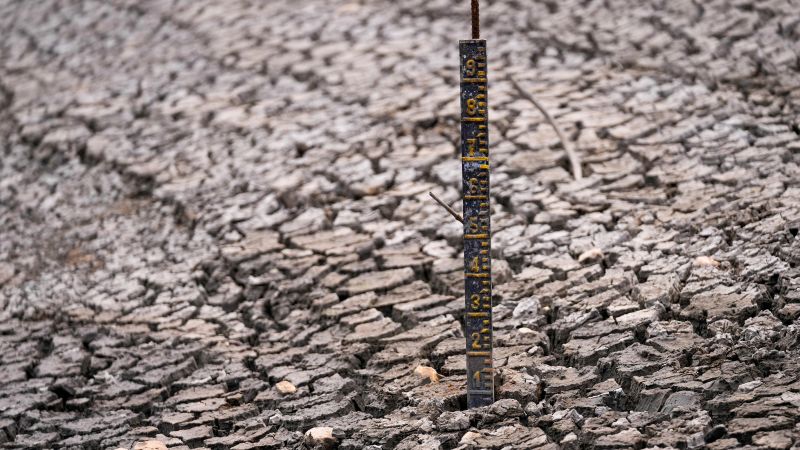
Colombia’s capital, Bogotá, will begin rationing water this week as several of its reservoirs face unprecedented lows amid a drought made worse by the El Niño climate pattern. Speaking to the media on Monday, Bogotá Mayor Carlos Fernando Galán said reservoirs had reached “historically low” levels and been worsened by El Niño, which causes high temperatures and impedes precipitation. Starting Thursday morning, restrictions or rationing measures will be put in place for Bogotá residents and dozens of towns and municipalities surrounding the capital, according to a handout on the city’s official website. The measures will affect around 9 million people. The country and region have experienced long periods without rain since June 2023 due to El Niño, the city wrote on its official website. Colombian President Gustavo Petro issued a natural disaster decree in January, allowing the government to access more resources to combat El Niño’s devastating effects, including wildfires and water stress. The plan will see nine different zones take turns rationing water services. Each zone’s water restrictions will begin at 8 a.m. local time and last 24 hours before shifting to the next zone in line.


A statue of Christopher Columbus has been erected outside of an ornate federal office building on the White House grounds — the latest sign of the Trump administration’s efforts to reshape cultural and historical representations across the nation’s capital.

Kentucky Gov. Andy Beshear, speaking in JD Vance’s home state of Ohio on Saturday, tore into the vice president, questioning his Appalachian roots and telling voters they “deserve better.”

President Donald Trump has said ICE agents will head to US airports tomorrow amid a partial government shutdown. Follow for live updates

Cuba is working to restore the electricity supply after another island-wide blackout left more than 10 million people without power.

President Donald Trump said Sunday border czar Tom Homan will be in charge of deploying Immigration and Customs Enforcement agents to airports on Monday, with Homan telling CNN the agents will help with security at entrances and exits to ease the Transportation Security Administration’s workload.

Donald Trump wants us to believe that a deal with Cuba is close at hand. After this past week, I am not so sure.

President Donald Trump has said ICE agents will head to US airports tomorrow amid a partial government shutdown. Follow for live updates

President Donald Trump said Sunday border czar Tom Homan will be in charge of deploying Immigration and Customs Enforcement agents to airports on Monday, with Homan telling CNN the agents will assist with security at entrances and exits to ease TSA workload amid a partial government shutdown.

Janet Mills and her allies are counting on a gender gap to narrow Platner’s wide lead ahead of the June 9 primary to decide who will face incumbent Republican Sen. Susan Collins. They are betting that the unfiltered style that has brought Platner widespread attention as someone who could help Democrats reach young men will backfire with women.

Why do people “pledge allegiance” to a “state” that is no longer a state? And what spurs someone to not just attack innocent people, but to then make a statement of loyalty while doing so?

A Supreme Court case examining state deadlines for election ballots sent in the mail is just the tip of the spear in President Donald Trump’s war on mail-in voting.

As a shrinking number of Transportation Security Administration agents work to keep hourslong security lines moving despite not being paid, President Donald Trump stepped into the fray Saturday, announcing he will send Immigration and Customs Enforcement officers to airports by Monday if Congress doesn’t agree to a plan to end the partial government shutdown.

Donald Trump wants us to believe that a deal with Cuba is close at hand. After this past week, I am not so sure.