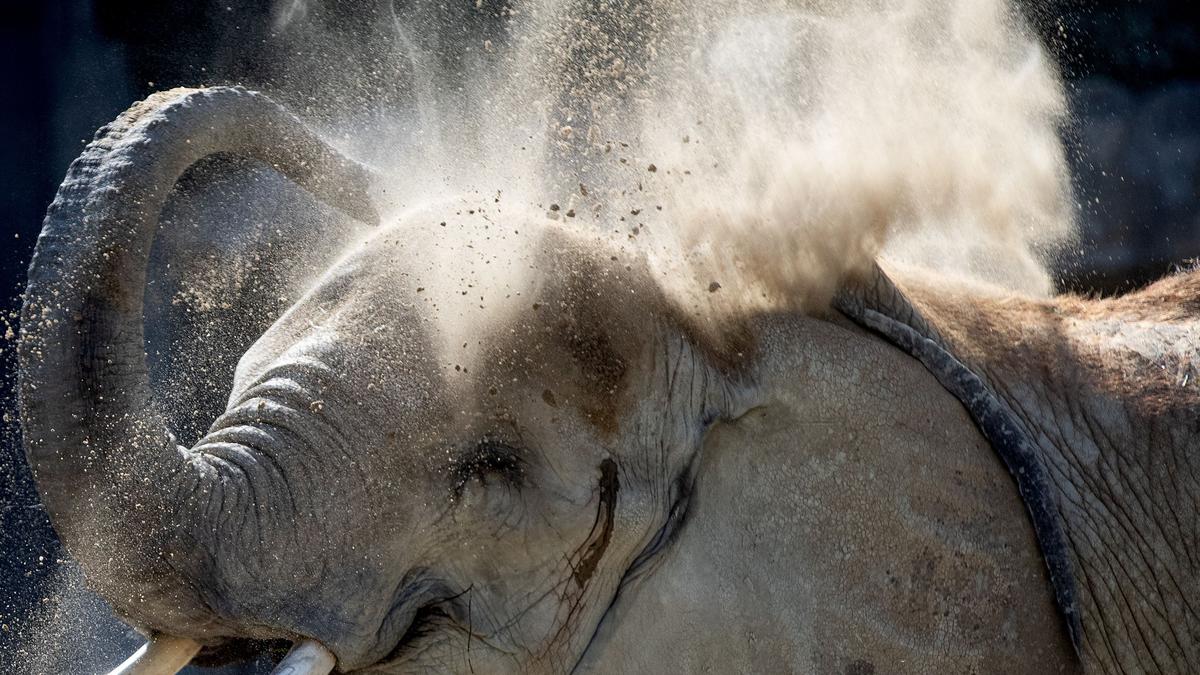
Climate change is leaving African elephants desperate for water
The Hindu
Climate change is causing droughts in much of Africa to become longer and more severe.
African elephant numbers have dropped from about 26 million in the 1800s to 415,000 today. While this is largely due to European colonisation, poaching and habitat loss, these majestic animals now face another grave challenge.
Climate change is causing droughts in much of Africa to become longer and more severe. This damages elephant habitats and denies them the water they need. Due to their unique physiology, African elephants need hundreds of litres of water each day to survive.
The African savanna elephant is listed as endangered. If the situation doesn’t change, Africa – indeed, the world – may lose one of its most iconic animal species.
Elephants are not just important for their ecological, cultural and economic value. They are also a keystone species – that is, they help hold ecosystems together. This means their decline has far-reaching consequences.
Many African ecosystems pivot around the lives of elephants. Elephant feeding habits, such as pushing over trees and peeling off bark, can turn woody vegetation into grasslands. This makes room for smaller species to move in. Their digging for water in dry riverbeds creates water holes other animals can use. And as they migrate, elephants help spread seeds in their dung.
Under climate change, long, intense droughts across southern and eastern Africa are escalating. Some have lasted more than 20 years.
Also Read | Endangered Asian elephant has lost most of its optimal habitat in Nilgiri Reserve: Study


Erode district seals 42 illegal resorts near Sathyamangalam Tiger Reserve following Madras High Court order.

Hyderabad designer Shravan Kummar celebrates 25 years of heritage weaves with a cultural event blending fashion, music, and cuisine.

Supreme Court to hear "Jana Nayagan" censor plea on January 19, challenging Madras HC's stay on CBFC clearance.

India's BRICS 2026 presidency emphasizes a 'humanity-first' strategy to enhance global welfare, featuring a new logo and website.

German Chancellor Friedrich Merz visits Bosch campus in Bengaluru, highlighting India-Germany ties in mobility, manufacturing, and innovation.

India falls to 3rd position in Russian fossil fuel imports in December as Reliance slashes crude buy
India drops to third in Russian fossil fuel imports in December, as Reliance cuts crude purchases, totaling €2.3 billion.

Mettur Dam's water level is at 97.43 feet, with an inflow of 218 cusecs and discharge of 1,000 cusecs.

Telangana departments accelerate office relocations from rented spaces to government buildings ahead of the January 31 deadline amid ongoing disputes.

Participating in the Dubai Run 2025

SP Tushar Dudi warns against jallikattu and rooster fights, emphasizing strict legal action for organizers and participants.

Six convicted for the 2013 murder of a fruit vendor in Chennai over a loan dispute, sentenced to life imprisonment.

BCB stands firm on relocating T20 World Cup matches from India due to security concerns, despite ICC's reluctance to accommodate.

CM Stalin inducts 50 transgender individuals into Home Guard services, enhancing inclusivity in Tamil Nadu's public safety efforts.