Climate change intensified rain that caused Wayanad landslides: study
The Hindu
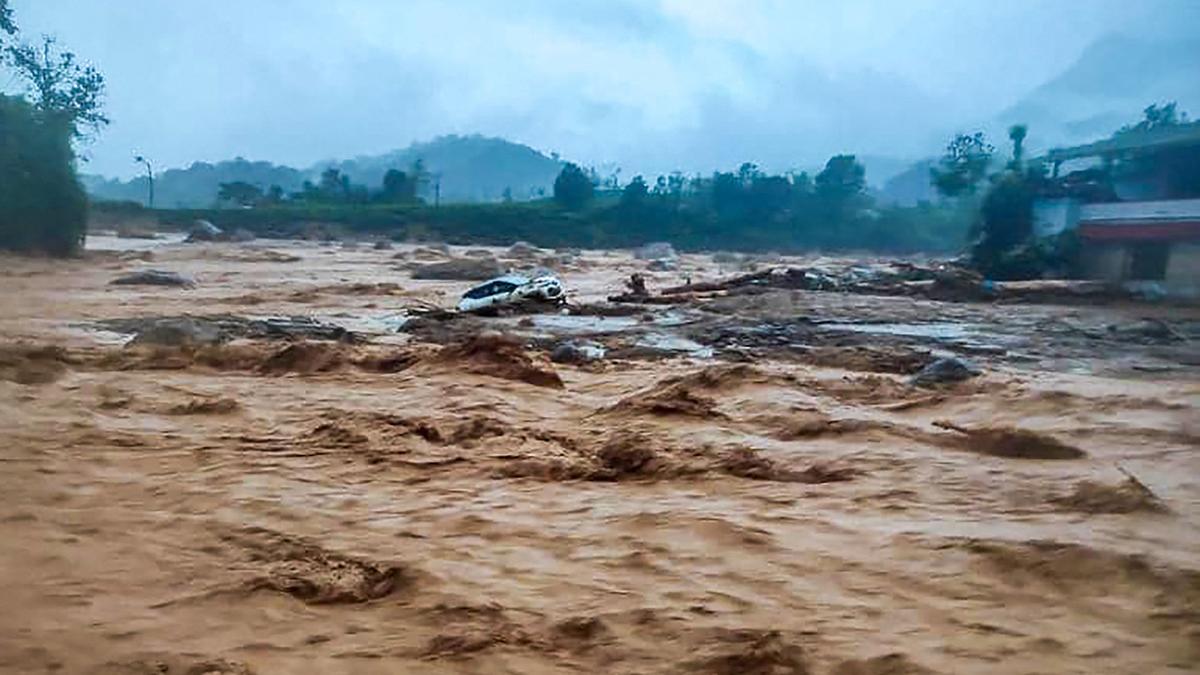
Human-caused climate change intensified heavy rain, triggering deadly landslides in Wayanad, the World Weather Attribution group has found.
Heavy rain made about 10% stronger by human-caused climate change triggered the landslides that killed more than 200 people in India’s southern state of Kerala last month, a team of international scientists has concluded.
The landslides on July 30 in the coastal state’s Wayanad region were its worst disaster since 2018, when floods killed more than 400 people.
The study, released on Wednesday by the World Weather Attribution group, which examines the role of climate change in extreme weather, found that single-day monsoon downpours in Wayanad have become 10% heavier because of climate change.
Kerala’s Chief Minister Pinarayi Vijayan had blamed unexpectedly heavy rainfall for the casualties, saying the region received 572 mm of rain over the preceding 48 hours, more than double the 204 mm forecast.
One-day bursts of rain in Kerala will become another 4% heavier if the world does not move away from fossil fuels and global warming reaches 2º C, the study said.
“The increase in climate change-driven rainfall found in this study is likely to increase the potential number of landslides that could be triggered in the future,” it said.
Minimising deforestation and quarrying, reinforcing susceptible slopes, and building retaining structures to protect vulnerable areas were some of the other measures it recommended to prevent similar disasters in future.


Palla urges NDA leaders to unite for grassroots outreach, enhancing public trust through balanced welfare and development initiatives.

Horses shone at Auroville's 2026 event, showcasing equestrian talent through dressage, derby, and show jumping competitions.

Telangana Governor Shiv Pratap Shukla attends Bihar Foundation Day celebrations in Hyderabad, honoring Bihar's historical and cultural contributions.

Samsung workers protest for the reinstatement of 27 suspended employees, citing unfulfilled promises from the Labour Minister.

The Vice-Chancellor of Rajiv Gandhi University of Health Sciences (RGUHS) B. C. Bhagavan said on Sunday that the university will soon open a research centre on Yoga and Naturopathy on 60-acre land in Bengaluru.

UT Matters: Construction of Uppar drain road overbridge in Puducherry to be completed in four months, amid traffic regulations.

Union Minister Dharmendra Pradhan highlights Bharat Innovates' aim to elevate Indian deep-tech startups to the global stage.

In an exclusive interview, DMK MLA Ezhilan discusses Tamil Nadu's 2026 elections, party structure, and local governance challenges.

Minister Satish Jarkiholi asserts confidence in retaining Davangere and Bagalkot seats in upcoming bypolls amid addressing internal discontent.

Sunil Ambekar of RSS emphasizes national unity, defending road prayer restrictions and promoting awareness of shared ancestry in India.

Opposition MPs and activists voice strong concerns against proposed amendments to the Transgender Persons Act at a Delhi hearing.

Four Assam police commandos injured in an extremist attack during a gunfight in Tinsukia district, officials report.

Campaigning intensifies in Ernakulam district as candidates engage voters ahead of the crucial Assembly polls.