Cholas in focus: 12th century war poem ‘Kalingathu Parani’ celebrates the dynasty’s exploits against the Kalinga kingdom
The Hindu
The poem is narrated by ghosts who are companions of a fearsome goddess called Anangu
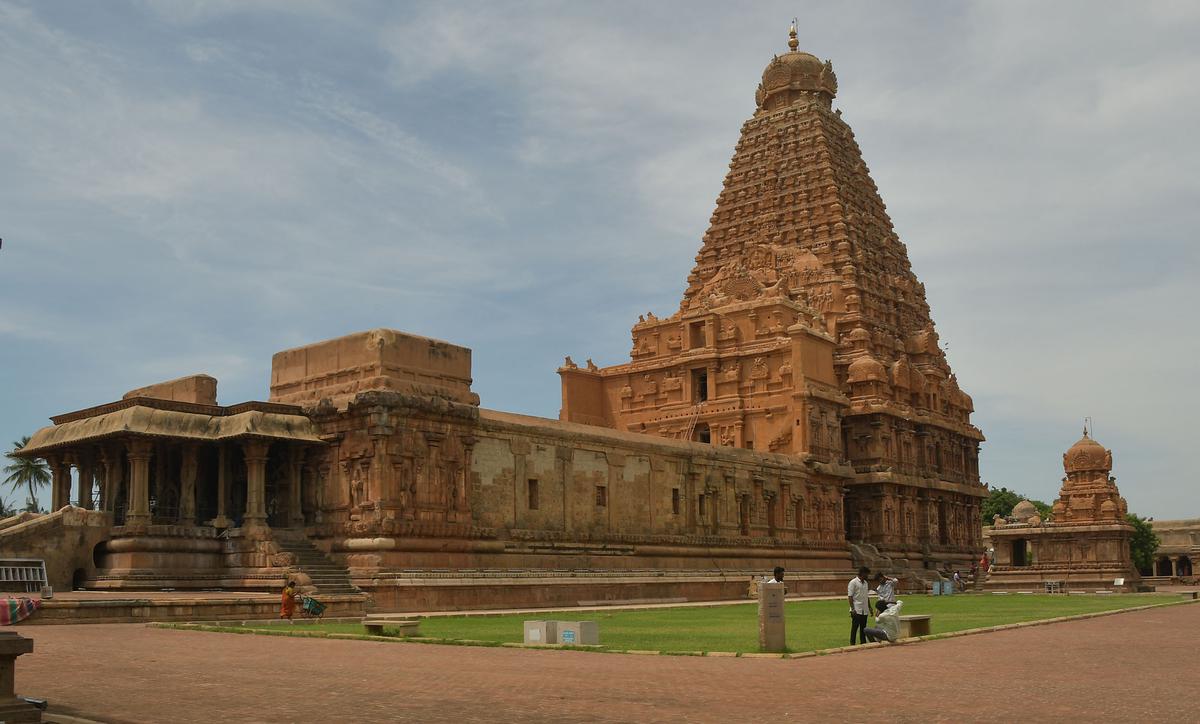
In the spirit of competition, the Chodaganga built the current structure of Puri’s Jagannath Temple in the 12th century, to rival the height of the Brihadeeswara Temple in Thanjavur built by Rajaraja Chola in the 11th century. When it was discovered that the masonry was a few feet short, the king ordered a long iron flag pole shaped like a discus to be placed on top, so that Jagannath’s flag would flutter higher.
Like the Tamil people, the people of Kalinga were fiercely independent, and declared their autonomy through their deity, Jagannath, who was an amalgam of Shaiva, Vaishnava, Sakta and tribal practices. Later, the Chodagangas would insist they were mere viceroys of Jagannath, distancing themselves from the practice started by some Chola kings who identified themselves with Shiva.
Kalinga kings were known as Gajapati, as they were masters of elephants. Hundreds of elephants would be used to clear the path of the Kalinga army, and block the progress of enemy soldiers. To outmanoeuvre such a moving wall of pachyderms was no mean feat. Hence, it deserved a parani.
What is interesting about Kalingathu Parani, translated to English by Kausalya Hart, made accessible by Project Madurai, is that the narration is by ghosts. These ghosts are companions of a fearsome goddess, Anangu. She seems similar to the goddess known in Shakta literature as Chamunda, and is traceable to the Vedic goddess Niritti and the Tamil goddess Kotravai. She is linked to dry, hot, barren landscapes and to battlefields wet with blood.
In art, this goddess is shown holding weapons in her hand, surrounded by ghosts, seated on rotting corpses, entertained by carrion crows and wild dogs. The battleground is her sacred space, where she receives blood offered by men aspiring to be heroes.
The poem begins with prayers to many Puranic and Tantrik deities as well as to the Vedas. There is hope that the tiger banner of the Cholas will flutter over other royal banners displaying the boar, the plough, the deer, the lion, the fish and the bow, and inscriptions of Chola conquests carved on Himalayan slopes.
Then come passages describing the yearning and erotic longing of the beautiful wives of warriors — a foreshadowing of the misery of war widows. Then comes description of the goddess, Anangu, her forest, her ghosts, and the temple they built to her with the skull of fallen kings, and bones of animals killed in battle. The goddess, a beloved of Shiva, wears elephant hide, with girdles made of its intestines. Her hand is red with the blood of warriors felled by valiant kings in her honour.


The government plans to amend the FCRA, introducing new regulations for NGO asset management and accountability for key functionaries.

The draft policy for “Responsible Digital Use Among Students”, released on Monday by the Department of Health and Family Welfare, has recommended that parents set structured routines with clear screen-time rules and prioritise privacy, safety, and open conversation with children on digital well-being.

Police Observer Sushant Kumar Saxena conducts surprise inspection at Shencottai police station, reviewing warrants and security arrangements ahead of elections.

Andhra Pradesh government to launch key projects in April, focusing on industrial growth and infrastructure development, says Nara Lokesh.

Lok Sabha refers the Corporate Laws (Amendment) Bill to a JPC amid opposition concerns over CSR provisions dilution.

SHG members in Kanniyakumari use snakes and ladders to raise election awareness and boost voter turnout.

Government accelerates consultations for early implementation of the Women’s Reservation Act to ensure women’s representation in 2029 elections.

CM A. Revanth Reddy distributes ₹1 crore insurance cheques to families of deceased Electricity department employees, enhancing financial security for workers.

The Bengaluru Traffic Police (BTP) registered 634 cases of drunk driving during a week-long special enforcement drive conducted across the city between March 16 and March 22.

GHMC intensifies action against property tax defaulters, seizing properties and offering a One Time Settlement scheme for payments.

CCB arrests three drug peddlers in Mangaluru, seizing ₹2.5 lakh worth of MDMA and other valuables.

TVK's 28 candidates in Puducherry include former BJP MLAs, a sitting Independent, and a retired police IG.

BRS submits notice on private member bill to Speaker