Children’s wellbeing ‘under threat’ in 2050, warns UNICEF
The Hindu
UNICEF warns of bleak future for youth due to demographic shifts, climate change, and technological transformation by 2050.
Demographic shifts, worsening climate change and rapid technological transformation risk creating a bleak future for youth in the mid-21st century, the United Nations agency for children warned Tuesday (November 19, 2024) in an annual report.
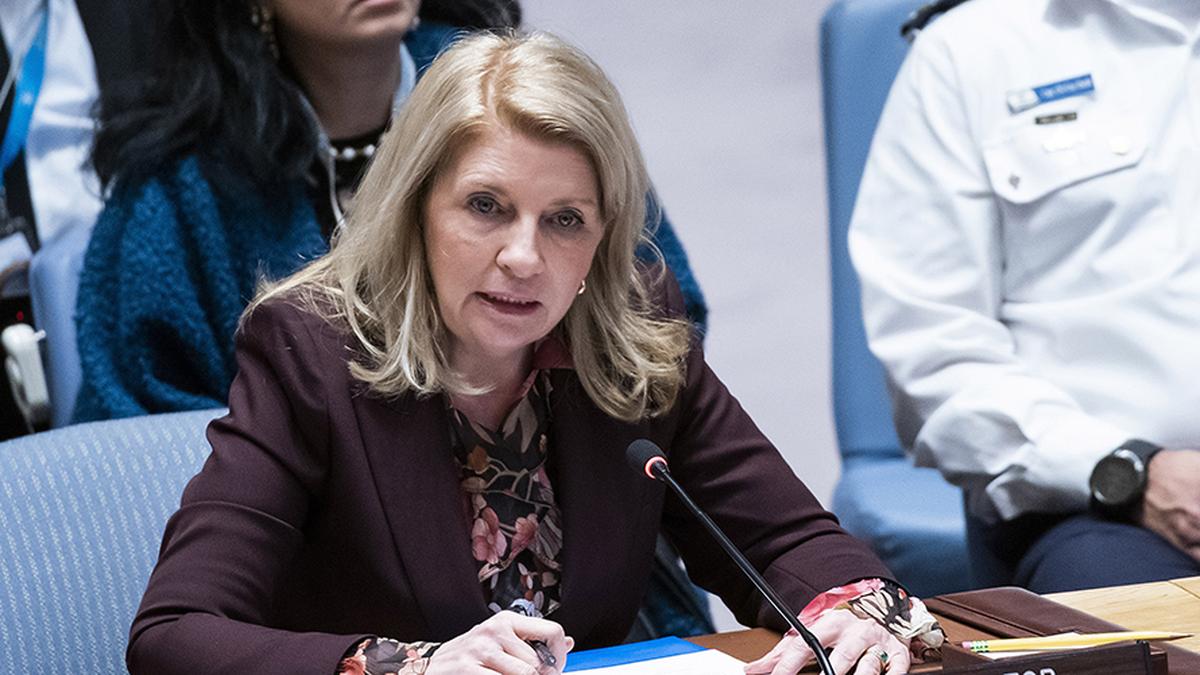
“Children are experiencing a myriad of crises, from climate shocks to online dangers, and these are set to intensify in the years to come,” Catherine Russell, executive director of UNICEF, wrote in a statement marking the release of the agency’s annual report.
This year, UNICEF uses its report to project forward to 2050 identifying three “major trends” that in addition to unpredictable conflicts pose threats to children unless policymakers make changes.
The first risk is demographic change, with the number of children expected to remain similar to current figures of 2.3 billion, but they will represent a smaller share of the larger and ageing global population of around 10 billion.
While the proportion of children will decline across all regions, their numbers will explode in some of the poorest areas, particularly in sub-Saharan Africa.
This offers the potential to boost economic growth, but only if the new young population has access to quality education, health care, and jobs, UNICEF notes.
In some developed countries, children could make up less than 10% of the population by 2050, raising concerns about their “visibility” and rights in societies focused on aging populations.


The U.S. military strikes an Iranian base threatening the Strait of Hormuz, prompting international condemnation and escalating tensions.

UAE assures India that the safety of its citizens is a top priority amid ongoing regional conflicts and tensions.

Explore Trump's Cuba policies and their impact on the island's energy crisis amid U.S. sanctions and Russian support.

Israel threatens increased attacks on Iran as Britain condemns Tehran's attempted strike on Diego Garcia air base.

The Id-ul-Fitr festival in 2026 is unfolding across the world in contrasting circumstances, shaped by both celebrations and conflicts.

U.S. and Israel strike Iran's Natanz nuclear facility, with no reported radioactive leakage, says Iran's atomic energy organization.

International Day of Forests 2026 | Theme, significance and economic importance of forest ecosystems
International Day of Forests 2026 seeks to place forests at the centre of sustainable, resilient and long-term economic planning

Escalating conflict in West Asia: Israel attacks Tehran and Beirut as U.S. Marines deploy amid rising casualties and economic concerns.

Ukraine launches over 280 drones at Russia in a significant escalation, prompting defensive actions and reports of damage.

A fire at a South Korea car plant killed 10, injured 59, and left four missing; rescue operations ongoing.

Trump considers winding down military operations in Iran, rejecting a ceasefire amid escalating tensions and regional conflict.

BTS returns with a massive concert in Seoul, attracting 260,000 fans and streaming live on Netflix.

U.S. airport delays are expected to worsen as TSA staffing issues persist amid an ongoing government shutdown.