Celebrate World Environment Day 2025 with animal adoptions and firefly spotting
The Hindu
Celebrate World Environment Day 2025 in Chennai and Bangalore with unique activities like animal adoptions, firefly spotting, crocodile hunting
There is more to World Environment Day than corporate jargon and planting a tree (that you forget to water for the rest of the year). If you are looking at fun and engaging ways to connect with Nature, here are a few activities you can sign up for — outdoors, and from within the comfort of your homes.
Caring for the crocs
Madras Crocodile Bank Trust (MCBT) offers a range of volunteering programmes for children and adults. If you are looking for something to do over the weekends, their Docent Programme (₹3,000) “supports the education and curatorial departments at MCBT”, says Pramila Rajan, director. “The primary motive is to spread awareness about reptiles and promote the need for their conservation.”
Docents (18+) will be involved with activities like enclosure maintenance (pen cleaning, enclosure upkeep, etc.), park maintenance, etc, and they are expected to contribute a minimum of one day a month for a period of at least six months. Kickstarting this month is their Junior Volunteer Programme (11-17 years), a two-day camp for children. Their Be A Zookeeper Programme is tailormade for varied age groups and teaches children why we need zoos, the people behind them, etc.
Details on madrascrocodilebank.org/
Adopt an animal
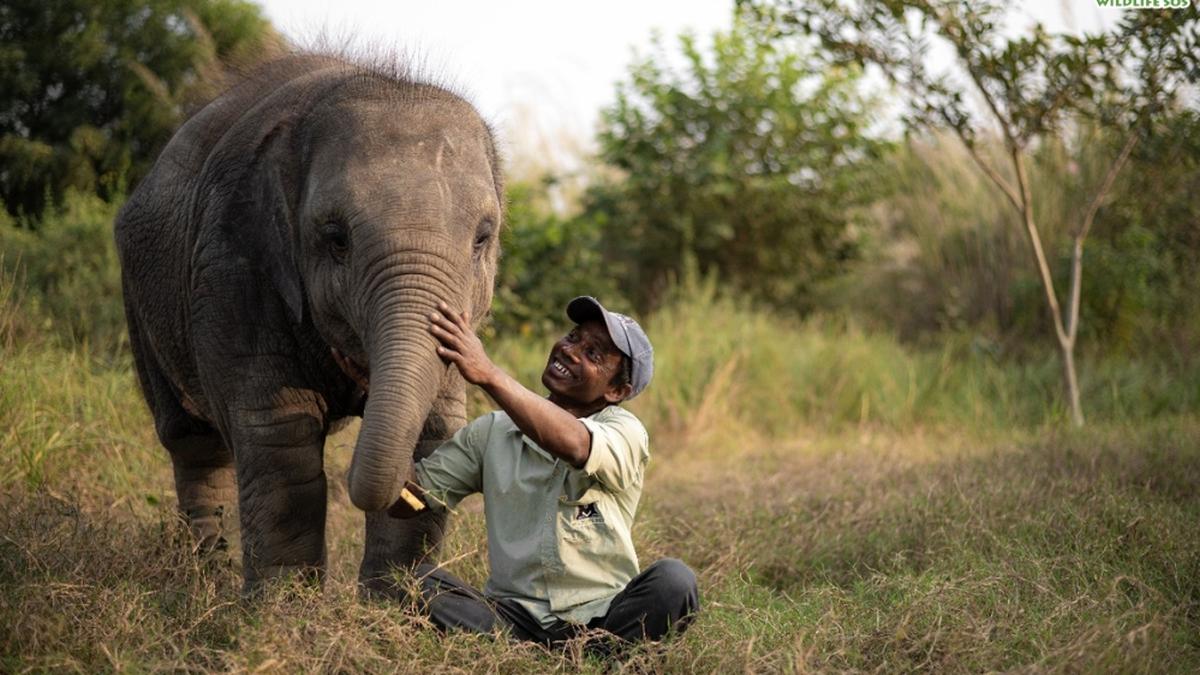
There is more you can do for your city’s zoo than just visit it. Many zoos across the country offer virtual animal adoption programmes, including Vandalur Zoo in Chennai and Bannerghatta National Park in Bengaluru. Individuals can adopt animals such as tigers, elephants, bears, monkeys, and even birds, reptiles for a day or a year. At Bannerghatta, for instance, you can adopt an Asiatic elephant for ₹3,00,000 a year, or a Rusell’s viper, spotted pond turtle for ₹3,000 annually. The adoption fee covers expenses towards the animal’s feed, enclosure maintenance, health care expenses, among others.


Explore 2026's wallpaper trends in India, highlighting botanicals and handmade designs that enhance modern homes with nature-inspired aesthetics.

Mercedes-Benz CLA 250+ with EQ Technology review: design, performance, range and features explained. Discover how the new electric CLA combines advanced AI, long range, fast charging and futuristic styling for the next generation of luxury EVs.

AI tool for sparrow conservation

BTS’s comeback with ‘Arirang’ marks a major global music event. When does the album release, and where can you watch their concert live stream? We have all the details

The 2026 U.S. cholesterol guidelines urge starting screening and treatment at 30 to prevent cardiovascular disease effectively.

Olam Festival 2026 in Thiruvananthapuram returns March 27-29 with 120+ vendors, music, art, and cultural zones.

A few storytellers in Thiruvananthapuram share their journeys, challenges, and evolving methods on World Storytelling Day, inspiring young minds.

76-year-old Kurian Jacob from Kerala triumphs with seven medals, including five golds, at the Open Masters Games in Abu Dhabi.

Explore the nature of the human mind as an emergent property of brain activity and complex neural interactions.

CERN's Large Hadron Collider discovers the Xi-cc-plus particle, enhancing understanding of quantum mechanics and baryon behavior.

Vibha Batra’s latest book, Spotless (Hachette India) is a novel in verse for young adults

In its first edition, the Madras Art Salon spotlights the works of journalist and artist Narayan Lakshman at The Botanical Club, a social space in the British Deputy High Commission, Chennai

Cholesterol enhances melanoma cell invasion by making nuclei squishier, revealing a potential treatment target in cancer progression.