CDC director turns to media consultant as Covid-19 messaging frustrations mount
CNN
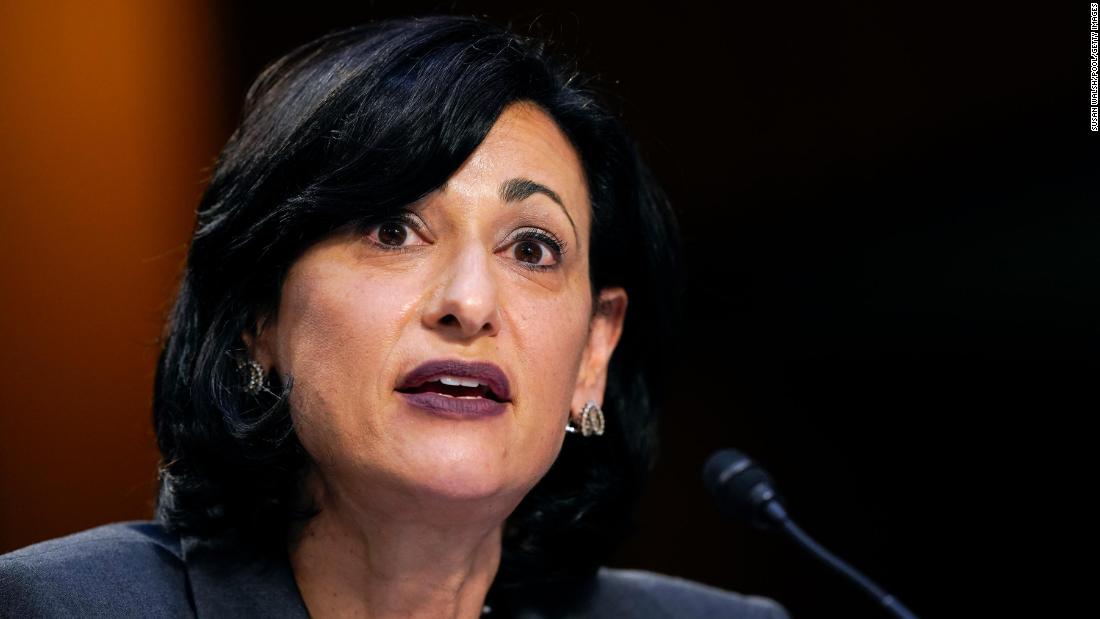
Dr. Rochelle Walensky assumed her new role as the director of the US Centers for Disease Control and Prevention last January with a vow to restore trust in the agency. But last fall, several months into the job and after a series of messaging missteps, Walensky sought out media training.
For months, Walensky has met privately with prominent Democratic media consultant Mandy Grunwald to improve her communication skills and continues to do so, according to a person familiar with the previously unreported sessions. On Friday, Walensky will hold the CDC's first independent media briefing since the summer after deciding abruptly this week that she wanted to take questions "head on," according to a person familiar with her decision to hold the briefing.
It comes as the agency is facing a barrage of criticism over confusion stemming from its new guidelines on isolation for people who test positive for Covid-19. Beyond Walensky's personal messaging struggles, the agency has faced criticism for months over its at-times confusing guidance surrounding the pandemic, with one former senior Biden administration official saying the agency appears to be "overthinking" its communications.


Mike Pence used to dream of following two successful Donald Trump terms with his own turn in the White House.

An Air Canada plane was damaged after colliding with a vehicle on a runway at New York’s LaGuardia Airport Monday, according to video from the scene and air traffic control audio.

A statue of Christopher Columbus has been erected outside of an ornate federal office building on the White House grounds — the latest sign of the Trump administration’s efforts to reshape cultural and historical representations across the nation’s capital.

Kentucky Gov. Andy Beshear, speaking in JD Vance’s home state of Ohio on Saturday, tore into the vice president, questioning his Appalachian roots and telling voters they “deserve better.”

President Donald Trump has said ICE agents will head to US airports tomorrow amid a partial government shutdown. Follow for live updates

Cuba is working to restore the electricity supply after another island-wide blackout left more than 10 million people without power.

President Donald Trump said Sunday border czar Tom Homan will be in charge of deploying Immigration and Customs Enforcement agents to airports on Monday, with Homan telling CNN the agents will help with security at entrances and exits to ease the Transportation Security Administration’s workload.

Donald Trump wants us to believe that a deal with Cuba is close at hand. After this past week, I am not so sure.

President Donald Trump has said ICE agents will head to US airports tomorrow amid a partial government shutdown. Follow for live updates

President Donald Trump said Sunday border czar Tom Homan will be in charge of deploying Immigration and Customs Enforcement agents to airports on Monday, with Homan telling CNN the agents will assist with security at entrances and exits to ease TSA workload amid a partial government shutdown.

Janet Mills and her allies are counting on a gender gap to narrow Platner’s wide lead ahead of the June 9 primary to decide who will face incumbent Republican Sen. Susan Collins. They are betting that the unfiltered style that has brought Platner widespread attention as someone who could help Democrats reach young men will backfire with women.

Why do people “pledge allegiance” to a “state” that is no longer a state? And what spurs someone to not just attack innocent people, but to then make a statement of loyalty while doing so?

A Supreme Court case examining state deadlines for election ballots sent in the mail is just the tip of the spear in President Donald Trump’s war on mail-in voting.