CARA encourages adoptive parents for foster care and adoption
The Hindu
Foster care and adoption challenges in India, highlighting the importance of older children and foster families.
In a Child Care Institution [CCI] in Maharashtra’s Ahmednagar district, Mansi Patil* (14) was excited when Renu Thomas*, fondly known as didi, told her that her profile on the Central Adoption Resource Authority (CARA), a statutory body of Ministry of Women and Child Development (MWCD), Government of India, had matched with an adoptive parents based in Mumbai who want to adopt her. Ms. Thomas regularly visits the probation and aftercare children’s home where Mansi has been living for eight years with other children. Excited, Mansi hugged her friends and didi and left to start a new life with her adoptive parents. Unfortunately, due to differences and adjustment issues, within two months, Mansi returned.
Roshan Mankar*(9) and Gargi Gupte*(15), who were adopted a few months ago, returned to the CCI within a month.
Also read | Over 18,000 adoptions since 2019; only 1,404 children with special needs find homes
An official from MWCD agrees that maximum parents want to adopt children between the age group of zero and two. For children above the age of six or 10, adoption becomes challenging, the official said.
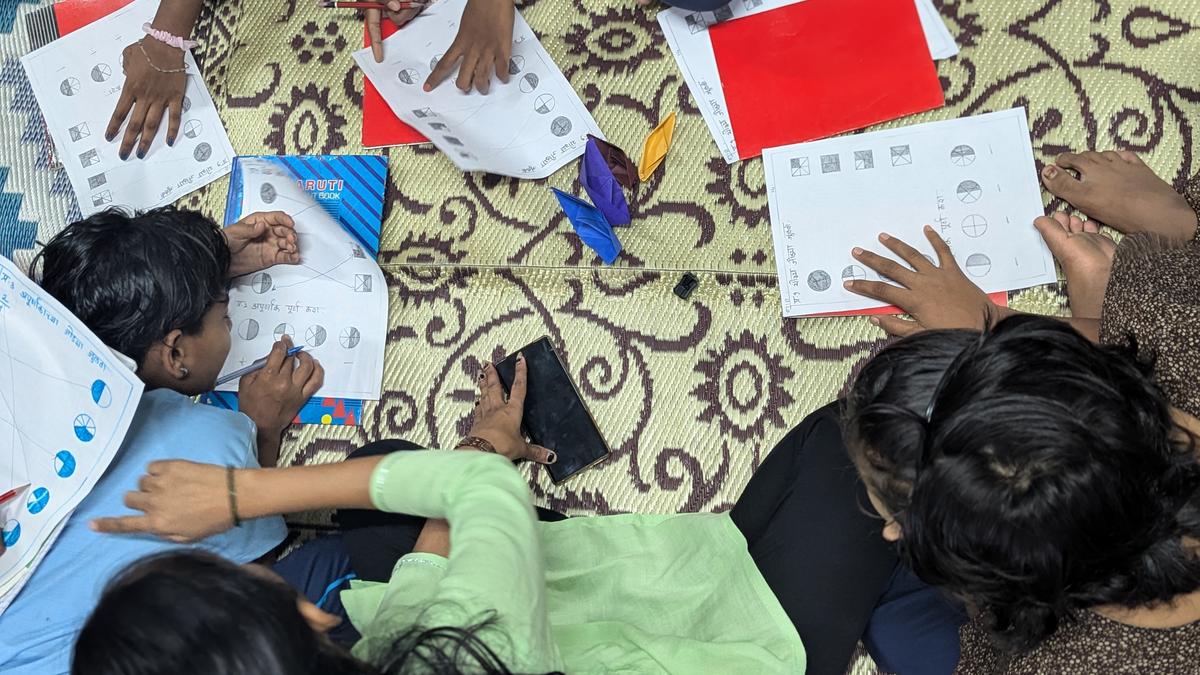
Bal Kalyan Nagari, a semi-government funded CCI in Mumbai’s Govandi is home to 60 girls between the age of 12 and 18 who wait for adoption. On a rainy afternoon, the girls were sitting down on plastic mats with their tuition teacher.
With their heads down, engrossed in solving equations, another group was busy preparing a science project. A little later, the children started repeating tables in chorus after the teacher, this was followed by blind-fold memory game on the blackboard.
Children living here are either orphaned, abandoned, surrendered, victims of begging, child marriage or parental neglect/abuse. The superintendent of BKN said that 14 NGOs are working with the CCI in different capacities to run the institution. Every child gets ₹1,500 per month allowance from the government, said the official. “Most of the time, the allowance comes as a lump sum after six months. NGOs play a crucial role, otherwise, with just six staff, we cannot function.”


Yakshagana Kalaranga of Udupi handed over its 91st house built in the series of its free houses, to a beneficiary student of its Vidyaposhak Scheme at Japti in Kundapur taluk of Udupi district on Saturday.

Sunil Ambekar of RSS emphasizes national unity, defending road prayer restrictions and promoting awareness of shared ancestry in India.

Kunnathur constituency braces for a factional clash in the 2026 Kerala Assembly polls amid shifting political dynamics.

R. Sarath Kumar expresses concerns over unfulfilled BJP promises and lack of roles for supporters ahead of the 2026 Tamil Nadu elections.

Delhi's hospital merger aims to enhance MBBS and PG seats, boost medical education, and improve healthcare services, says CM Rekha Gupta.

K.C. Tyagi leaves JD(U) to join Rashtriya Lok Dal, aiming to revive his political career in Uttar Pradesh.

Manipur CM Y Khemchand Singh calls meeting with Kuki Zo Council a positive step towards restoring peace and trust.

Papanasam dam's water level is 66.50 feet, with inflow and discharge rates reported.

Suspended Police Inspector P.G. Sandesh faces rape and extortion charges after a college principal alleges sexual assault from 2020 to 2023.

Tamil Nadu CM M.K. Stalin promises improvements to the 'Vidiyal Payanam' initiative, enhancing free bus travel for women and marginalized groups.

Kerala State Electricity Board seeks approval for a medium-term power deal with Damodar Valley Corporation amid procurement challenges.

Environmentalists in Madurai urge government action for the conservation of the endangered Grey Slender Loris in Melur taluk.

CPI leader K. Narayana criticizes Modi's silence on war, urging India to promote peace amid a deepening global crisis.