Canada’s intelligence sharing shortcomings exposed in Johnston report
Global News
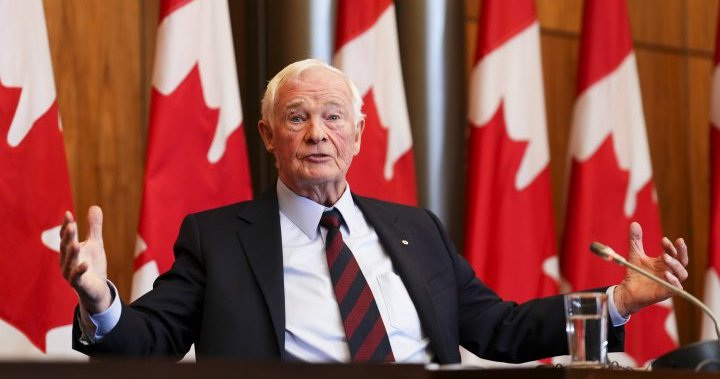
Johnston said in the report that Canada's security services often address intelligence reports to departments rather than individuals.
Special rapporteur David Johnston found in his first report on foreign interference that Canada’s public safety minister does not have access to top-secret emails that national security officials use to share intelligence — including regarding potential threats against MPs.
It was just one example of glaring information-sharing problems within the government that Johnston said must be addressed.
The former governor general found that the Canadian Security Intelligence Service was aware of indications Chinese officials were contemplating action directed at Chinese-Canadian MPs and their family members abroad.
There is no intelligence indicating Beijing took steps to threaten the family of Conservative MP Michael Chong specifically, the report said, in response to allegations at the heart of the recent controversy.
But there was intelligence that indicated Chinese officials were seeking information about Chong and his relatives, Johnston said.
The materials he used to come to that conclusion are classified and not being shared publicly.
Prime Minister Justin Trudeau initially said the information never left the security agencies involved, but his national security adviser Jody Thomas later confirmed that it reached her predecessor’s office.
At the time, CSIS said it intended to provide Chong and a second unnamed MP with a briefing, Johnston’s report said. Chong later said that a briefing at the time did not include any details about a threat to his family.


Members of Parliament are back in the House of Commons today, where the government is expected to face tough questions about new auditor general reports and the war in Iran.

Two Air Canada pilots are dead after their flight originating from Montreal collided with a fire truck at New York’s LaGuardia Airport Sunday night.

With more rain in the forecast, crews continue to deal with a mudslide earlier this week that covered a road in Coquitlam in debris, posing risk to Metro Vancouver's water supply.

A former BC Ferries CEO says the Queen of the North sinking remains ‘disturbing’ 20 years later. The ferry struck an island in Wright Sound on March 22, 2006. Two people died.

The 2026 Kraft Hockeyville top two contestants have been named. The winner receives $250,000 for ice rink upgrades, and the runner-up will receive a prize worth about $100,000.

The Office of the Parliamentary Budget Officer scrutinizes federal spending decisions and helps to cost out campaign proposals during elections.

Man’s best friend is proving to be a true lifeline. All across Saskatchewan, service dogs are providing essential, life-changing support every day.

Two days after the first day of spring, parts of Atlantic Canada and Quebec will see another blast of winter with Environment Canada forecasting several centimetres of snow.

UNESCO recognized several Maritime historical groups including the executive director of the Black Loyalist Heritage Centre for their work on the Black Loyalist archive.

Aid shipments are beginning to arrive in Cuba and a Russian oil delivery is expected this month, but fuel shortages remain critical.

Tensions flared as CAQ leadership rivals clashed over Quebec’s “third link” project in the first debate to replace Premier François Legault.

Toronto police have charged a 60-year-old man with second-degree murder in connection with the death of Xian Wei Shao, whose remains were discovered in a north end home last week.

Finance Minister François-Philippe Champagne says the government has found ways to cut spending by $60 billion but cautions that published spending cuts require important context.