Can Pakistan’s politicians break the military’s stranglehold?
Al Jazeera
Pakistan’s political leaders have come together previously to bargain for more space in the system. But it’s difficult.
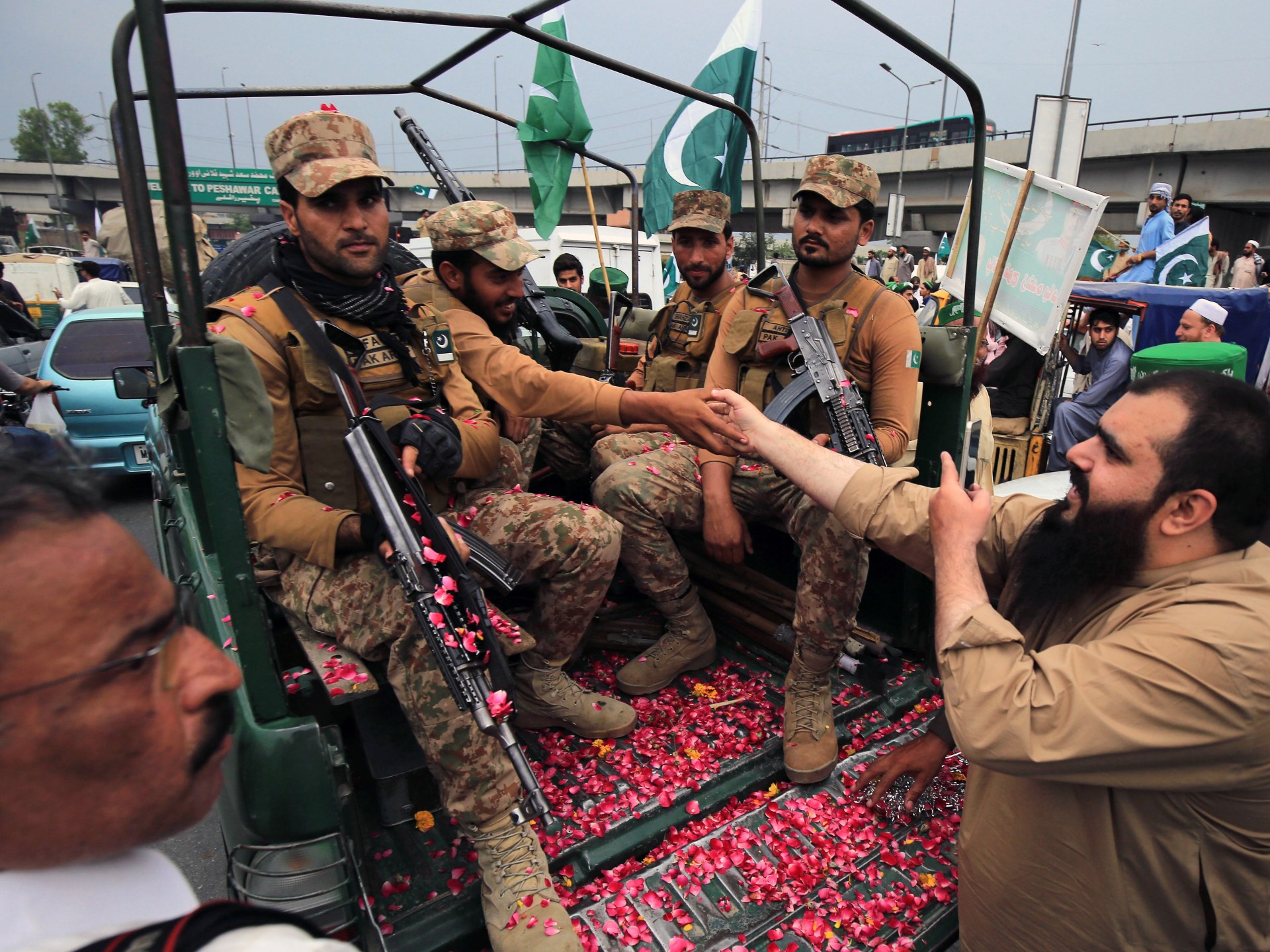
Islamabad, Pakistan — It was a rare admission. In November 2022, then-army chief Qamar Javed Bajwa conceded that Pakistan’s military had meddled in politics for decades. In his farewell speech, General Bajwa promised that in the future, the army would steer clear of interfering in Pakistan’s democratic functioning.
Just 14 months later, that assurance appears to have evaporated. As Pakistan gears up for its February 8 general election, the military’s familiar shadow hovers over the process.
Observers have expressed concerns regarding the fairness of the polls with the Pakistan Tehreek-e-Insaf (PTI) party of former Prime Minister Imran Khan denied its election symbol, many of its leaders — including Khan — behind bars and several others in hiding. The party’s members have to contest as independent candidates.
Journalists have spoken about a shroud of censorship imposed by the military, especially when it comes to reporting on Khan and the PTI. And there is little of the festive atmosphere that otherwise accompanies the campaign season.
At the heart of this subdued political climate is the military’s deep influence on politics, which has seen it rule Pakistan directly for more than three decades while controlling the levers of power from behind the scenes for much of the rest the country’s 77 years as an independent nation.
