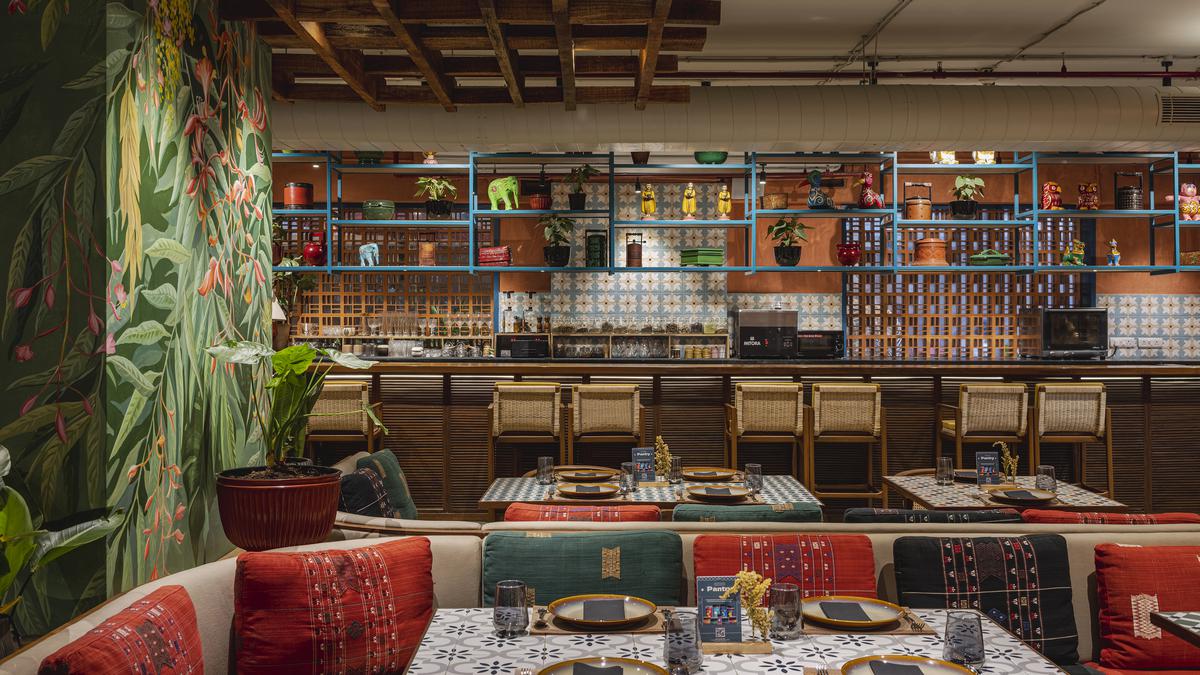
Burma Burma opens second location in Bengaluru
The Hindu
Burma Burma opens second location in Bengaluru
Amid the everchanging culinary landscape in Bengaluru, there are but a handful of names that have stood the test of time; fewer still have been fortunate to expand their presence in the city.
When it first launched in 2018, Burma Burma was seen as an anomaly, albeit a flavoursome one. With the abundance of Indo-Chinese (which are truly neither Indian nor Chinese) and Tibetan options that catered to vegetarians and non-vegetarians alike, it seemed authentic Burmese cuisine of the herbivorous kind could be overlooked.
Now five years later, Burma Burma is proving it can hold its own in a city where tastes shift with the demographic. Wisely sticking to the tried and tested, the management is continuing with their previous menu whilst offering a few new dishes to celebrate their opening at a second location.
One of the best things about Burmese cuisine is its amazing palette of flavours and textures — richly varied and yet hearty and homely; even die-hard carnivores could forgett about the no non-veg aspect.
Three new starters have been added to the bill of fare and each one is delicious enough to make you debate skipping the entrees. Bandel is a cheese popular in the northeastern regions of India and its smoky flavour makes it an amazing accompaniment for the Crunchy Shiitake Fingers — crisply fried shiitake mushrooms coated in semolina and hemp seed.
For the Trumpet Mushroom Steak, succulent king oyster mushrooms are grilled and served with puffed black rice in a chilli lime dressing, ticking all the flavours in the umami box.
Rather like South Indian podi, the Burmese have balachaung — a spicy relish made with fried onions, garlic, red chillies and crushed peanuts — which enhances even the simplest of meals. Here, the culinary team have balachaung-stuffed peppers sitting atop the edamame and broad bean hummus, adding zing to the flavourful puree; With the accompanying Burmese naan, it can make for a rather satisfying meal for light eaters.


Discover the Minor Planet Centre, the key hub for tracking and verifying observations of small solar system bodies.

Discover the Minor Planet Centre, the key hub for tracking and verifying observations of small solar system bodies.

In this week's Science for All newsletter, XX explains

Test your knowledge with the quiz on Science films at the Oscars through history

Set between the Siwalik hills and the plains, Butwal offers travellers a mix of regional cuisine, pilgrimage trails to Lumbini and the comfort of Hyatt’s new hospitality landmark

Explore 2026's wallpaper trends in India, highlighting botanicals and handmade designs that enhance modern homes with nature-inspired aesthetics.

Mercedes-Benz CLA 250+ with EQ Technology review: design, performance, range and features explained. Discover how the new electric CLA combines advanced AI, long range, fast charging and futuristic styling for the next generation of luxury EVs.

AI tool for sparrow conservation

BTS’s comeback with ‘Arirang’ marks a major global music event. When does the album release, and where can you watch their concert live stream? We have all the details

The 2026 U.S. cholesterol guidelines urge starting screening and treatment at 30 to prevent cardiovascular disease effectively.

Olam Festival 2026 in Thiruvananthapuram returns March 27-29 with 120+ vendors, music, art, and cultural zones.

A few storytellers in Thiruvananthapuram share their journeys, challenges, and evolving methods on World Storytelling Day, inspiring young minds.

76-year-old Kurian Jacob from Kerala triumphs with seven medals, including five golds, at the Open Masters Games in Abu Dhabi.