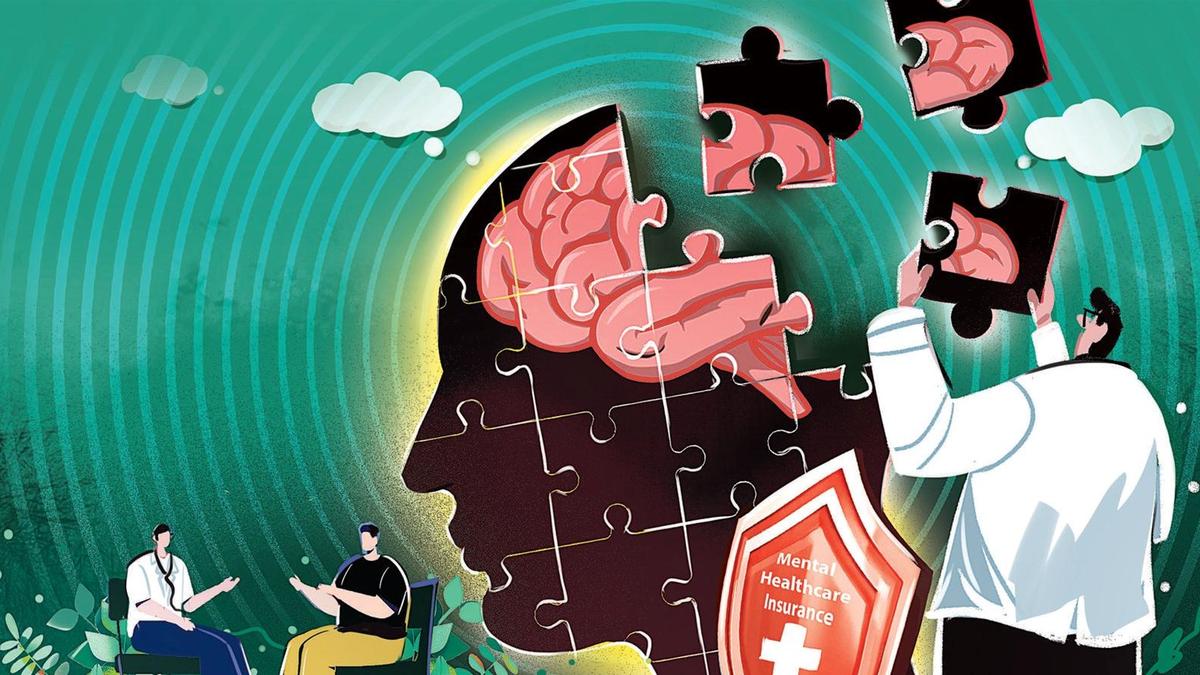
Bridging health cover, mental healthcare in India Premium
The Hindu
Mental health awareness is growing, with insurance plans now covering therapy and counselling, reflecting a shift in healthcare priorities.
Mental health is finally getting the attention it has long deserved. The post-pandemic world has not only shifted how people think about well-being, but sparked a deeper sense of urgency around mental health, and how to plan for it.
Globally, mental health conditions affect about one in five adults, with the World Health Organization estimating an annual productivity loss of over $1 trillion due to untreated mental health issues. In India, the conversation is gaining momentum and it’s being reflected in both policy and consumer behaviour.
Until a few years ago, health insurance was largely seen as a safeguard against physical illness or hospitalisation. That has changed. Following the Mental Healthcare Act, 2017 and IRDAI directive, mental health is now covered at par with physical illnesses across health insurance plans in India. This is not just a regulatory milestone — it signals a much-needed shift in how we define health.
More importantly, this coverage is becoming more holistic. Today, most retail health insurance plans offer outpatient (OPD) benefits, either built-in or as optional add-ons. These allow for therapy, counselling, and psychiatric consultations — services central to mental healthcare but rarely require hospitalisation. Data tells us that people are using them.
Our data shows over the past 2-3 years, mental health–related claims — including for therapy, stress counselling and anxiety medication — have risen by 30–50%. It reflects not just policy evolution but fundamental behavioural shift. More people are seeking professional help and using insurance to pay for it.
Interestingly, the demand is being led by younger Indians. Those between 25-35 years are driving the highest search interest, policy uptake and mental health claims. This group, juggling career pressures, financial uncertainties and the demands of an always-on digital lifestyle, is showing greater openness to emotional support, particularly through app-based therapy and online mental health platforms.
A closer look at the claims data shows anxiety disorders account for about 30–35% of mental health claims, followed by depression (25–30%), workplace stress and insomnia. Most of these are early to moderate cases, which signals another crucial trend: a growing comfort with seeking care before reaching crisis point.


OpenAI on Tuesday announced key leadership appointments for its nonprofit arm and committed to investing at least $1 billion through the division

EU antitrust chief Teresa Ribera, who has voiced concerns about Big Tech extending its dominance into artificial intelligence, will meet the CEOs of Alphabet, Meta Platforms and OpenAI

OpenAI is close to securing about $10 billion in fresh funding from investors, boosting its valuation to $850 billion, including the money raised, a person familiar with the matter said, confirming an earlier report in Bloomberg News

Discover the key changes in the New Income Tax Rules 2026, simplifying compliance and enhancing deductions for taxpayers.

Palantir, which won a contract to supply AI systems to Britain’s Financial Conduct Authority, will not have access to regulatory intelligence, an FCA official said

Arm Holdings announced a new artificial intelligence data centre chip on Tuesday which it said will add billions of dollars of revenue

Amazon said on Monday its Amazon Web Services region in Bahrain has been “disrupted” amid the current conflict in the Middle East

Petroleum Ministry directs reforms to enhance natural gas infrastructure, streamline approvals, and ease transition from LPG to PNG.

The Sora decision means the end of a blockbuster $1 billion deal between Disney and the ChatGPT maker that was announced a little more than three months ago.

Regulator mandates city gas distributors to provide piped gas to educational institutions within five days, supporting India's transition from LPG to PNG.

NHAI's Raajmarga InvIT listed on BSE, enhancing investor participation in highway infrastructure with strong demand and oversubscription.

HDFC Life Insurance faces ₹172 crore Income Tax order for alleged violations, plans to appeal the decision.

Air-conditioner makers in India are looking forward to FY27 with hope as the war in West Asia threatens to impact plastic component availability and consumer sentiment, adding to the challenges around raw material price and new energy label, a senior executive of a leading company has said.