Brain undergoes major changes in pregnancy, some fleeting, some enduring, new study shows
The Hindu
The study documented a widespread decrease in the volume of cortical gray matter, the wrinkled area that comprises the brain’s outermost layer, as well as an increase in the microstructural integrity of white matter located deeper in the brain. Both changes coincided with rising levels of the hormones estradiol and progesterone.
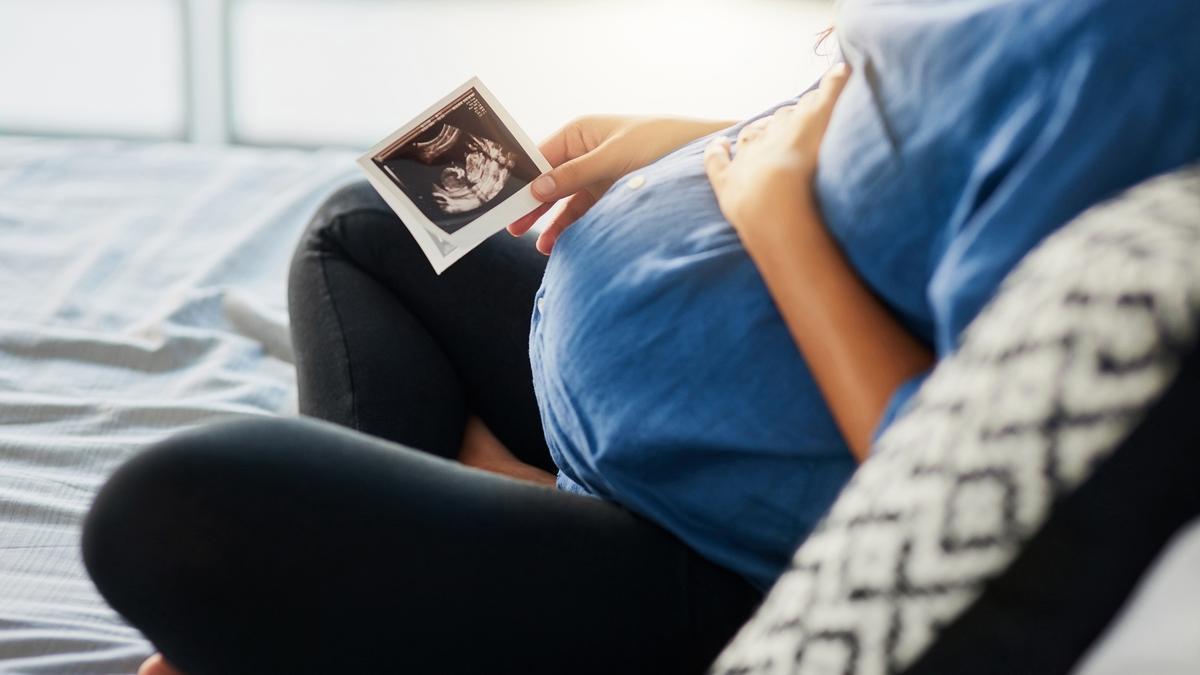
Pregnancy triggers vast changes in a woman's body -- hormonal, cardiovascular, respiratory, gastrointestinal, urinary and more. And, as a new study reveals, the brain undergoes major changes too, some fleeting and others more enduring.
Researchers said on Monday, September 16, 2024, they have for the first time mapped the changes that unfold as a woman's brain reorganises in response to pregnancy, based on scans carried out 26 times starting three weeks before conception, through nine months of pregnancy and then two years postpartum.
The study documented a widespread decrease in the volume of cortical gray matter, the wrinkled area that comprises the brain's outermost layer, as well as an increase in the microstructural integrity of white matter located deeper in the brain. Both changes coincided with rising levels of the hormones estradiol and progesterone.
Gray matter is comprised of the cell bodies of the brain nerve cells. White matter is made up of the bundles of axons -- long, thin fibres -- of the nerve cells that transmit signals in long-distance connections across the brain.
The study, the first of its kind, was based on a single subject: University of California, Irvine cognitive neuroscientist and study co-author Elizabeth Chrastil, a first-time mother who gave birth to a healthy boy, now 4-1/2 years old. Chrastil was 38 during the study, and 43 now.
The scientists said that since the study's completion they have observed the same pattern in several other pregnant women who have undergone brain scans in an ongoing research initiative called the Maternal Brain Project. They aim to expand the number into the hundreds.
“It’s pretty shocking that in 2024 we have hardly any information about what happens in the brain during pregnancy. This (research) paper opens up more questions than it answers, and we are just scratching the surface of these questions,” Chrastil added.


Discover the Minor Planet Centre, the key hub for tracking and verifying observations of small solar system bodies.

In this week's Science for All newsletter, XX explains

Test your knowledge with the quiz on Science films at the Oscars through history

Set between the Siwalik hills and the plains, Butwal offers travellers a mix of regional cuisine, pilgrimage trails to Lumbini and the comfort of Hyatt’s new hospitality landmark

Explore 2026's wallpaper trends in India, highlighting botanicals and handmade designs that enhance modern homes with nature-inspired aesthetics.

Mercedes-Benz CLA 250+ with EQ Technology review: design, performance, range and features explained. Discover how the new electric CLA combines advanced AI, long range, fast charging and futuristic styling for the next generation of luxury EVs.

AI tool for sparrow conservation

BTS’s comeback with ‘Arirang’ marks a major global music event. When does the album release, and where can you watch their concert live stream? We have all the details

The 2026 U.S. cholesterol guidelines urge starting screening and treatment at 30 to prevent cardiovascular disease effectively.

Olam Festival 2026 in Thiruvananthapuram returns March 27-29 with 120+ vendors, music, art, and cultural zones.

A few storytellers in Thiruvananthapuram share their journeys, challenges, and evolving methods on World Storytelling Day, inspiring young minds.

76-year-old Kurian Jacob from Kerala triumphs with seven medals, including five golds, at the Open Masters Games in Abu Dhabi.

Explore the nature of the human mind as an emergent property of brain activity and complex neural interactions.