BNP: What is needed is a bypass and not a flyover, say experts Premium
The Hindu
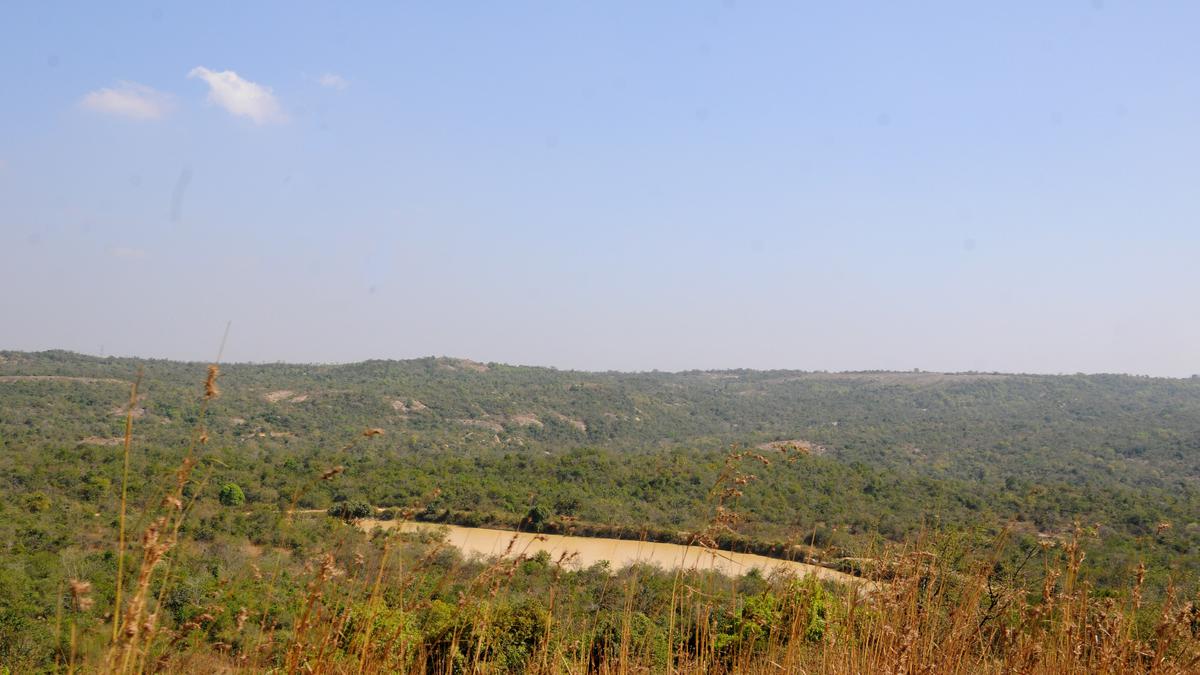
Less than 100 metres wide at many stretches, can the Bannerghatta National Park (BNP) accommodate a massive six-lane flyover without posing a severe threat to its wildlife and ecosystem? Its buffer zone already shrunk, can the endangered green space be protected from the latest onslaught by exploring alternative alignments to the proposed Satellite Township Ring Road (STRR)?
Less than 100 metres wide at many stretches, can the Bannerghatta National Park (BNP) accommodate a massive six-lane flyover without posing a severe threat to its wildlife and ecosystem? Its buffer zone already shrunk, can the endangered green space be protected from the latest onslaught by exploring alternative alignments to the proposed Satellite Township Ring Road (STRR)?
Planned to be built on the 3.85km stretch of the existing road linking Bannerghatta and Jigani Road, the flyover project has unleashed a storm of concern among environmentalists and wildlife conservationists. The National Highways Authority of India (NHAI) says it will install effective noise barriers and restrict construction hours. But will these be enough to address the grave risks posed both in the short and long terms?
Faced with very high man-animal conflict and encroachments, BNP is already reeling under severe threats of fragmentation, reminds conservationists. “The Park has a unique distinction of hosting large mammals including the tiger, elephant, gaur, dholes and others right at the edge of a metropolis. Though it is connected to Cauvery Wildlife Sanctuary in Karnataka and Tamil Nadu, the national park is a very linear protected area with several parts of the forest area already used for tourism, zoo and other activities,” notes conservation biologist Sanjay Gubbi.
This mandates extremely effective mitigation measures. “It needs to be ensured that the measures are planned and designed based on scientific studies and not on an ad-hoc basis. It should involve a good understanding of wildlife movement patterns especially that of elephants,” he points out.
But the flyover project runs counter to this rationale. Sanjay explains, “This new road project will reduce the habitat available for elephants and increase the conflict in the long run as there are nearly 100 elephants that use the landscape. For sustainable development we really need to zone our landscapes and earmark where wildlife gets priority and where development gets importance.”
Strategically located on the Northern side of Mysore Elephant Reserve, Bannerghatta park also serves as a critical link for the migration of elephants from the Cauvery Wildlife Sanctuary in Krishnagiri and the Hosur Forest division in Tamilnadu. Geographically, the park is also a key watershed for streams such as Rayathmala Hole, Muthyala Madu halla, Antaragange Hole and rivers Arkavathi and Suvarnamukhi.
In March 2020, the Centre had reduced the eco-sensitive zone (ESZ) around BNP by 100 sqkm. The zone area shrank to 168.84 sqkm from 268.9 sqkm, earmarked by a 2016 notification. Commercial mining, stone quarrying and setting up of crushing units are effectively banned within the ESZ.


Telangana's revised pay scale implementation for employees will take timer. The tenure of Pay Revision Commission extended. Govt likely to take decision on reccomendation based on its report.

Vizianagaram's SP A.R. Damodar highlights 20 accident-prone areas and urges drivers to prioritize safety with helmets and seat belts.

Kerala HC stays disqualification of SNDP Yogam leaders, reversing a single judge's order regarding financial and regulatory compliance issues.

Karnataka announces daily supply of 10,000 LPG cylinders to hotels, easing the commercial shortage for the hospitality industry.

Malayalam superstar Mohanlal will be reuniting with filmmaker Priyadarshan, it was announced recently. It will mark the 100th film of Priyadarshan and is backed by Mohanlal’s longtime collaborator, Antony Perumbavoor

Gautham Vasudev Menon loses Madras High Court appeal, ordered to pay ₹4.25 crore to R.S. Infotainment with interest.

AIADMK faces its toughest challenge in 53 years as it prepares for the crucial 2026 T.N. Assembly elections.

Lakmé Fashion Week x FDCI 2026 in Mumbai: What worked and what didn’t

Telangana CM announces underpass beneath Begumpet Airport runway to alleviate traffic congestion in Hyderabad.

Congress leader Ramesh Chennithala claims an alliance between Pinarayi Vijayan, Modi, and Shah aims to undermine UDF in Kerala elections.

CCB arrests Bengaluru couple for running a fake government job scam, cheating over 100 victims out of crores.

The enduring legacy of Araiyar Sevai

Telangana integrates with the 'Vahan' platform and eliminates 2% tax on second vehicles, enhancing transport services and transparency.